10 High-Protein Foods Everyone Is Eating in 2026: Benefits, Nutrition & Easy Meal Ideas
Discover the top high-protein foods everyone is eating in 2026. Learn their health benefits, daily protein needs, and why protein-rich foods are essential for a healthy lifestyle.
HEALTHY EATING
M S ISHAQ
7/10/202612 min read
Introduction
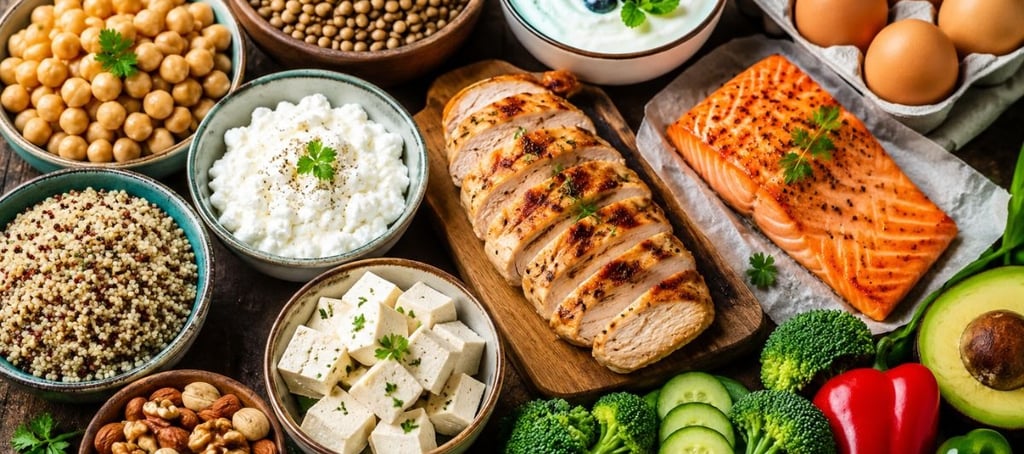
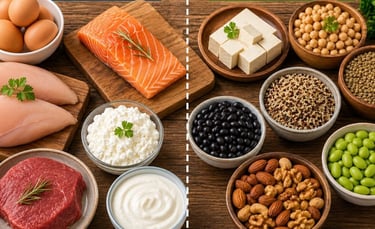
High-protein foods are one of the most recent nutrition trends of the past few years, and in 2026, they are still gaining popularity. Whether you're an athlete, a fitness enthusiast, a busy professional, or a family, more and more individuals are opting for foods that offer sustained energy, promote muscle growth and repair, and contribute to health. Many high-protein foods are a great source of vitamins, minerals, healthy fat, etc. that are essential for a healthy diet compared to highly processed convenience foods. Your body requires protein, carbohydrates, and fats, and protein is one of the three macronutrients that is required daily. Protein is essential for your body; it's present in all cells to aid in tissue repair, hormone production, healthy skin and hair, immune function, and growth. Your body won't be able to carry out these critical functions efficiently if you don't have enough protein. One of the main reasons for the popularity of high-protein foods is that they help to fill you up for longer. Protein slows the digestion and helps fill people up, which can help lessen needless snacking and maintain healthy weight management as part of a well-rounded diet. People also eat protein foods to help their muscles recover after physical activity, keep muscle mass at a healthy level as they get older, and have regular energy levels during the day. Fortunately, there are plenty of delicious protein sources to indulge in. From grilled chicken to salmon, eggs to Greek yogurt, lentils to chickpeas, and tofu to quinoa, these options cover nearly all dietary preferences. In this guide, you'll learn what high-protein foods are, why they are important, how much protein you need daily, and why these healthy foods are still popular in healthy eating.
Why Is Protein Important?
Protein plays a basis for almost all the major functions in the body.
Muscle Growth and Repair
Protein is required after a workout or daily physical activity to help muscles recover and repair. That's why sports people and active people place such importance on eating protein-rich foods.
Supports Healthy Weight Management
Protein keeps you more satiated for a longer period of time than some refined carbs. Eating foods that leave one feeling full after the meal can help to limit unnecessary snacking and encourage good food choices.
Builds Strong Bones
Protein is essential to calcium and vitamin D for keeping bones strong for life.
Supports Immune Health
Proteins are used for the manufacture of many antibodies that the body uses to fend off disease. Protein is important for maintaining a healthy immune system.
Healthy Skin, Hair, and Nails
Collagen and keratin are proteins that help keep skin healthy and hair shiny and nails strong.
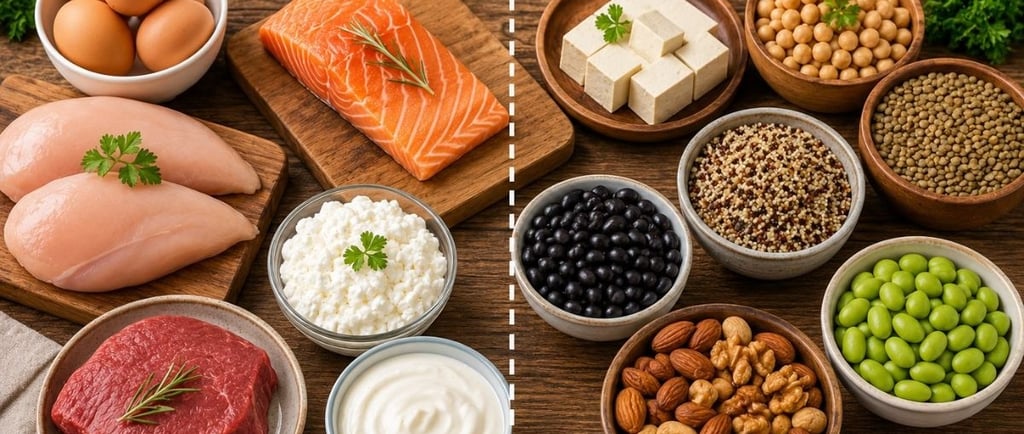
Animal- vs. Plant-based protein
It does not have to be an either/or situation with animal protein versus plant protein. Both are a good source of nutrients.
Animal-Based Protein
Common examples include:
• Chicken breast
• Turkey
• Salmon
• Tuna
• Eggs
• Greek yogurt
• Cottage cheese
• Lean beef
A complete protein is a food that contains all nine of the essential amino acids.
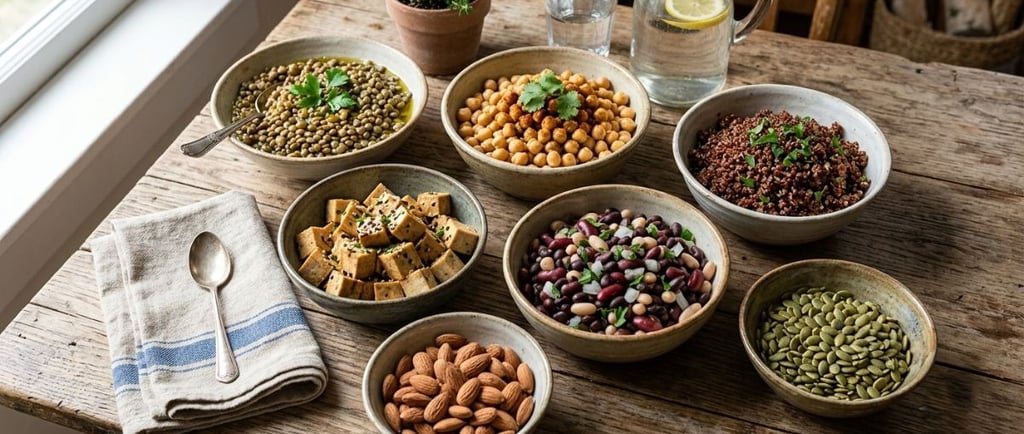
Plant-Based Protein
Good sources of plant protein are the following:
• Lentils
• Chickpeas
• Black beans
• Kidney beans
• Edamame
• Tofu
• Tempeh
• Quinoa
• Almonds
• Pumpkin seeds
A large number of plant proteins are also rich in dietary fiber, antioxidants, and minerals, which help improve heart and digestive health.


How Much Protein Do You Need Each Day?
The protein requirements of older bulls are different from those of younger bulls and from bulls who are more or less active or heavier or sicker.
General recommendations include:
Daily Protein Recommendation
Healthy adults: 0.8 g per kg of body weight
Active adults 1.2–1.7 g/kg
Strength athletes: 1.6–2.2 g/kg
Older adults 1.0–1.2 g/kg
Weight management plans: 1.2–1.6 g/kg (under professional guidance)
For example:
· The average recommendation for protein intake is 56 g for a person weighing 70 kg (154 lbs) a day.
· A person that exercises regularly would need much more in order to assist in the recovery and muscle maintenance.
It's not that the protein needs to be consumed in one sitting, but many nutrition experts suggest consuming protein throughout the day—not just at dinner but at breakfast, lunch, dinner, and even snacks.


What are high-protein foods?
Foods that are rich in protein have a high protein-to-calorie ratio. Protein is the one that provides amino acids, which are the building blocks your body needs to build muscles, organs, skin, enzymes, hormones, and immune cells. There are 20 amino acids, 9 of which are essential, which means that they are not synthesized in the body. These essential amino acids are those that need to be taken from daily meals. There are basically two types of protein sources: • Chicken, fish, eggs, lean meat, milk, cheese, etc.-based protein. Plant proteins such as lentils, beans, chickpeas, tofu, quinoa, nuts, and seeds. They are both part of a healthy diet. Many proteins have all of the essential amino acids, but a variety of plant proteins throughout the day can supply the nutrients that your body requires.
2. Eggs
Eggs are a highly nutritious and complete protein source, which is also available in a very economical way. The high-quality protein and all nine essential amino acids are present in approximately 6-7 grams of one large egg.
Eggs also contain the vitamins A, D, B12, riboflavin, selenium, and choline, which are important for brain health.
Health Benefits
• Complete protein source
• Supports muscle maintenance
• Lutein and zeaxanthin work to promote eye health.
• Boosts your satiety between meals to help maintain your appetite
• Versatile and budget-friendly
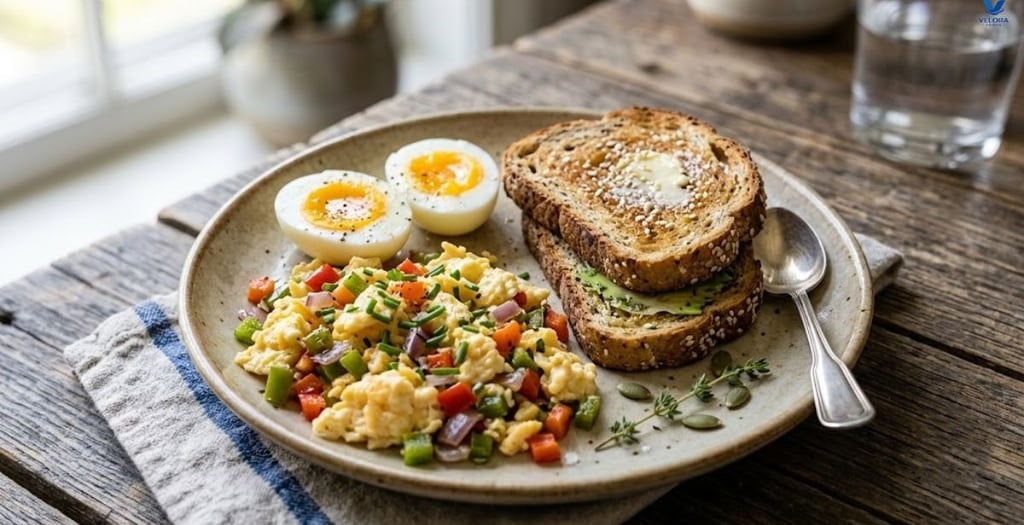
Eating eggs in a healthy way
• Boiled eggs
• Vegetable omelets
• Scrambled eggs
• Egg muffins
• Whole-grain avocado toast with eggs on top
It is important to note that although healthy people can use eggs as part of a balanced diet, dietary requirements differ. For individuals with specific medical conditions, please seek medical advice for specific recommendations.
3. Chicken Breast
Skinless chicken breast is considered one of the leanest animal protein sources. A 100g portion of cooked food offers approximately 31g of protein and is fairly low in fat.
Chicken breast is a healthy option and versatile ingredient for cooking, which is why it is often featured in meal-prep menus and healthy recipes.
Health Benefits
• High-quality lean protein
• Supports muscle recovery
• Helps maintain healthy body composition
• High in niacin and vitamin B6 content
• Adaptable to a variety of balanced diets
Healthy Meal Ideas
• Grilled chicken salad
• Stir-fry chicken and vegetables. Stir fry chicken and vegetables.
• Whole-grain chicken wraps
• Baked herb chicken
• Chicken and quinoa salads
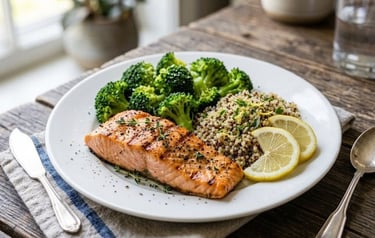
4. Salmon
Salmon is universally known as a healthy combination of high-quality protein and heart-healthy omega-3 fatty acids. About 22-25 grams of protein are contained in 100 grams of the cooked product.
Salmon is a good source of beneficial fats that are important to the health of the brain and heart and are not found in many other protein food sources.
Health Benefits
• High in omega-3 fats
• A good source of complete protein.
• Supports heart health
• Promotes brain function
• Contains vitamin D and selenium
Healthy Meal Ideas
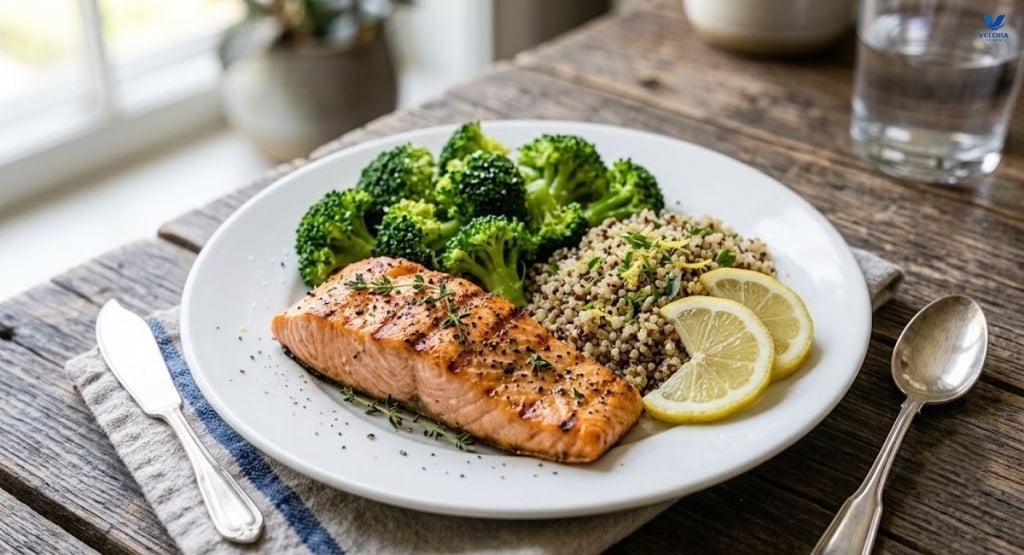
• Grilled salmon and broccoli.
• Salmon rice bowls
• Baked lemon salmon
• Salmon salad
• Whole-grain salmon sandwiches
5. Lentils
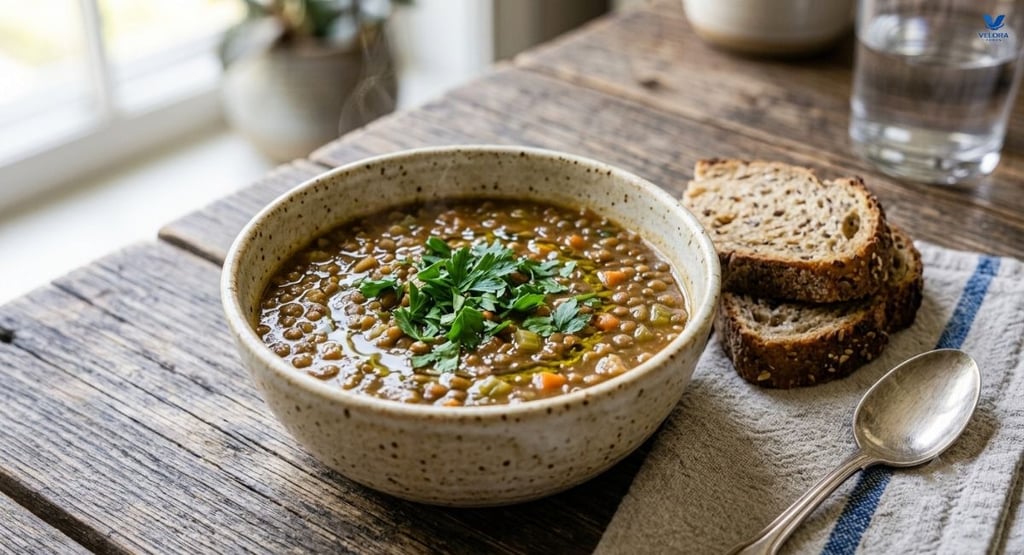
Lentils are one of the best sources of plant protein. The cooked cup offers about 18 grams of protein and contains a good amount of dietary fiber, iron, potassium, magnesium, and folate.
Lentils are a popular food for vegetarians and plant-based diets due to their low cost, high nutritional value, and versatility in cooking.
Health Benefits
• Excellent plant protein
• Rich in dietary fibre
• Supports digestive health
• Gives the feeling of fullness
• Rich in iron and folate
Healthy Ways to Eat Lentils
• Lentil soup
• Lentil curry
• Lentil salads
• Stuffed peppers
• Grain bowls with vegetables
These are some tips for adding extra protein to your diet.
Eating protein doesn't need to be a challenge! Let's take a look at some practical suggestions:
• Have eggs or Greek yogurt for breakfast.
• Eat lean meats at each meal.
• Use nuts or yogurt instead of sweet foods.
• Use lentils in soups, salads, and stews.
• Grilled chicken or salmon – cook ahead and serve as part of a meal.
• Combine plant proteins with whole grains for a balanced meal.
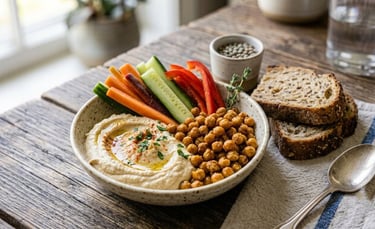
6. Chickpeas
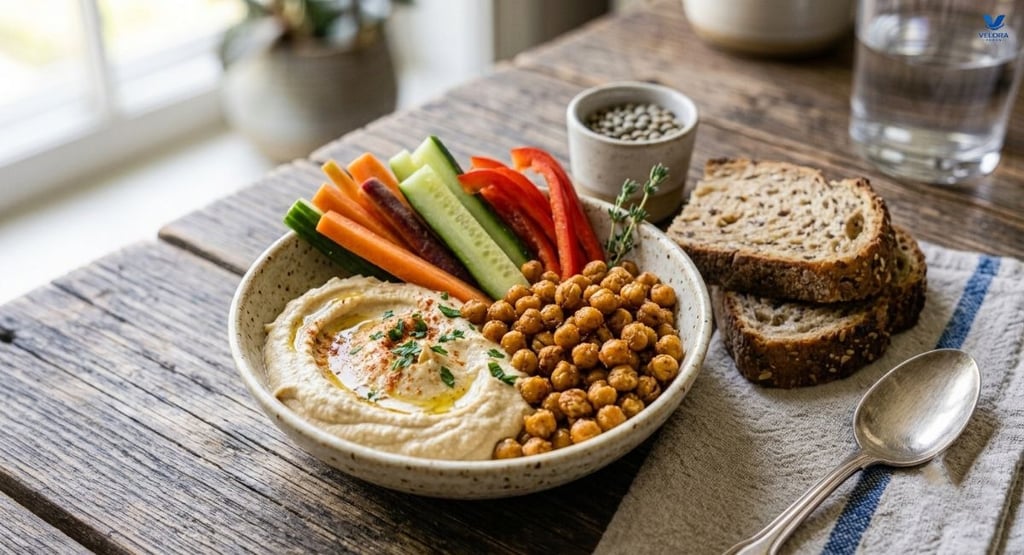
Chickpeas are also referred to as garbanzo beans, and they are considered one of the most versatile plant protein foods. They have many applications such as salads, soups, curries, grain bowls, etc. and are also commonly used to make hummus. One cup of cooked chickpeas provides approximately 14–15 grams of protein along with plenty of dietary fiber, iron, folate, and manganese.
Chickpeas are a great food option for those on a vegetarian, vegan, or Mediterranean diet, as they are naturally high in fiber and nutrient-rich.
Health Benefits of Chickpeas
• Excellent source of plant protein
• High in dietary fiber, for digestive health.
• Supports heart health
• Supports a balanced energy flow
• High in iron, folate, and magnesium.
Healthy Ways to Eat Chickpeas
• Homemade hummus
• Roasted chickpea snacks
• Chickpea salad
• Vegetable curry
• Grain bowls
7. Cottage Cheese
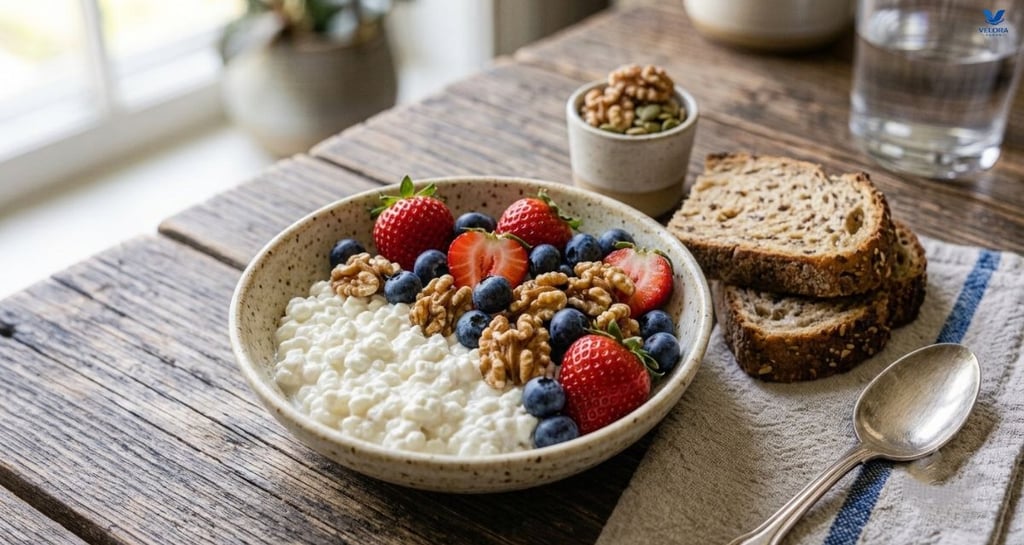
Cottage cheese is a fresh dairy product with a very high protein content and mildness. One cup of the product has about 24–28 grams of protein, which makes it one of the highest protein-content dairy sources.
It also contains a high concentration of calcium, phosphorus, selenium, and vitamin B12, which all work to promote bone health and normal body functions.
Health Advantages
• High-quality complete protein
• Supports muscle recovery
• Supports healthy bones
• Low-carb
• Delivers long-lasting energy
Simple Meal Ideas
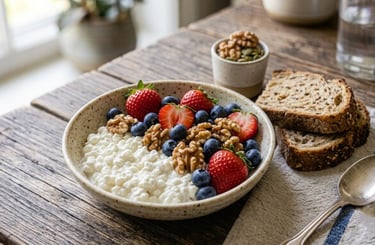
• Prepare cottage cheese with berries.
• Prepare the cottage cheese and the berries.
• wholemeal bread with cheese (cottage)
• Cottage cheese and fruit bowls
• Blenders,
• Rolls of vegetables
8. Soybean curd
Tofu is a source of protein made from soybeans and is one of the most popular sources for vegetarian and vegan diets. They have around 8-15 grams of protein per 100 g serving, depending on the type.
Tofu absorbs flavors well, so it can be used in a wide variety of recipes.
Benefits to Health
• Complete plant-based protein
• Low in saturated fats
• Calcium-rich (calcium-set types)
• Supports heart health
Healthy Ways to Eat
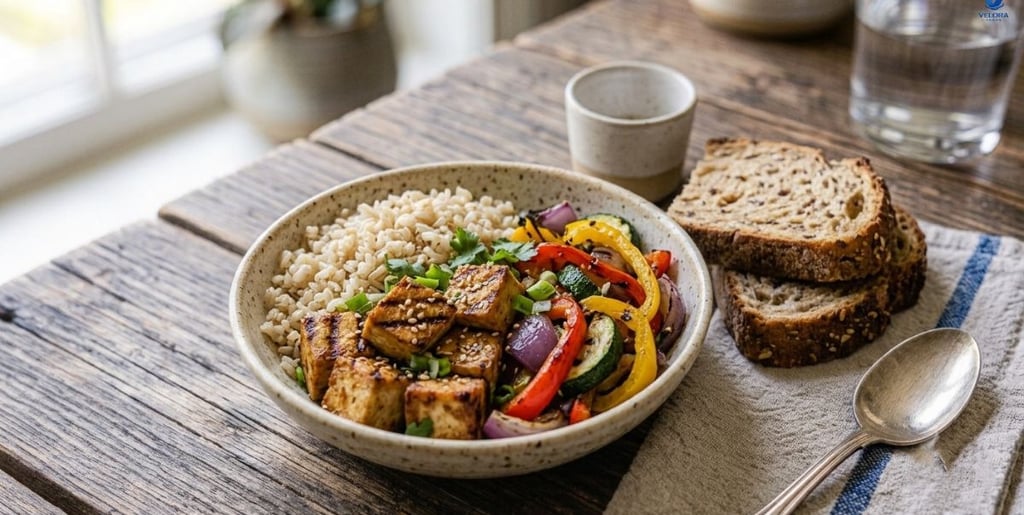
• Tofu, Grilled
• Tofu salads
• Soups & Curries,
• Wok-fried
9. Lean Beef
Lean beef is an excellent source of complete protein and important nutrients such as iron, zinc, selenium, and vitamin B12. A cooked 100-gram serving provides around 26–27 grams of protein.
Choosing lean cuts helps reduce saturated fat while still providing valuable nutrition.
Health Benefits
• High-quality complete protein
• Rich in iron for healthy red blood cells
• Supports muscle maintenance
• Excellent source of zinc and vitamin B12
• Helps maintain strength during aging
Healthy Meal Ideas
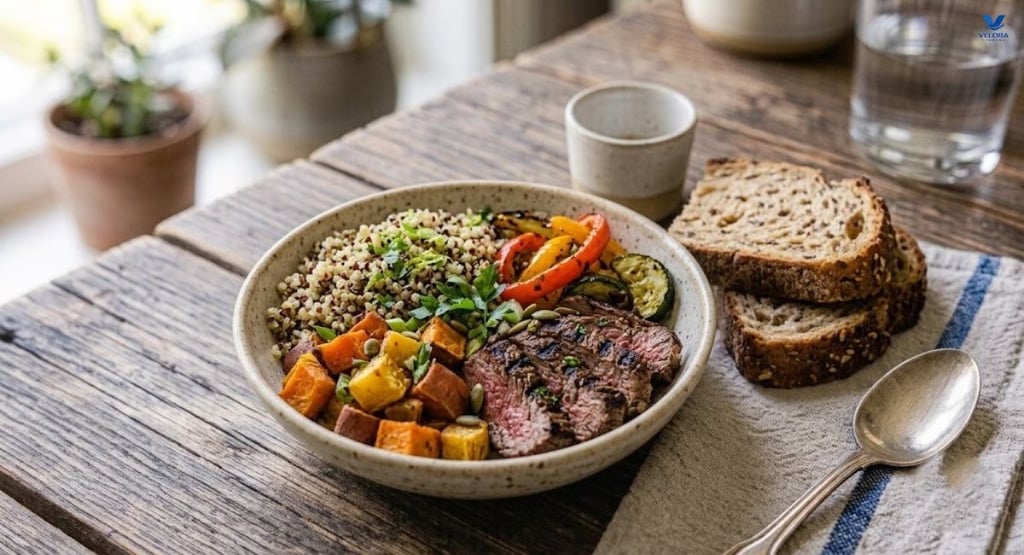
• Grilled lean steak
• Beef and vegetable stir-fry
• Whole-grain wraps
• Lean beef chili
• Mixed vegetable bowls
Why High-Protein Foods Are Trending in 2026
High-protein foods are still on the rise these days as people are more interested in long-term health rather than quick fixes. A protein-rich eating pattern is adopted by many eating plans, like Mediterranean, flexitarian, vegetarian, and balanced diet plans.
There has been increased accessibility to fitness; more people are walking, using resistance, and working from home. Protein aids recovery from physical activity and promotes the body's lean muscle mass.
Convenience is another factor behind the trend. Healthy eating on a busy schedule is easier with foods that don't require cooking, like Greek yogurt, cottage cheese, boiled eggs, protein-rich salad, and roasted chickpeas.
Plant protein is also emerging in the spotlight as a source of fiber, vitamins, and minerals, in addition to protein. More people nowadays are using a mixture of animal and plant protein to have a more balanced and diversified diet.
Last, but by no means least, social media has encouraged home cooks to put together protein-rich breakfasts, healthy lunches, nutritious snacks, and family dinner ideas with simple, healthy ingredients.
Top 10 High-Protein Foods Everyone Is Eating in 2026
Once you have an understanding of the importance of protein and how much you should be eating daily, let's take a look at the foods taking the lead in the high-protein movements of 2026. The nutrient-rich foods are high in protein, along with all kinds of vitamins, minerals, healthy fats, and other nutrients that benefit general health.
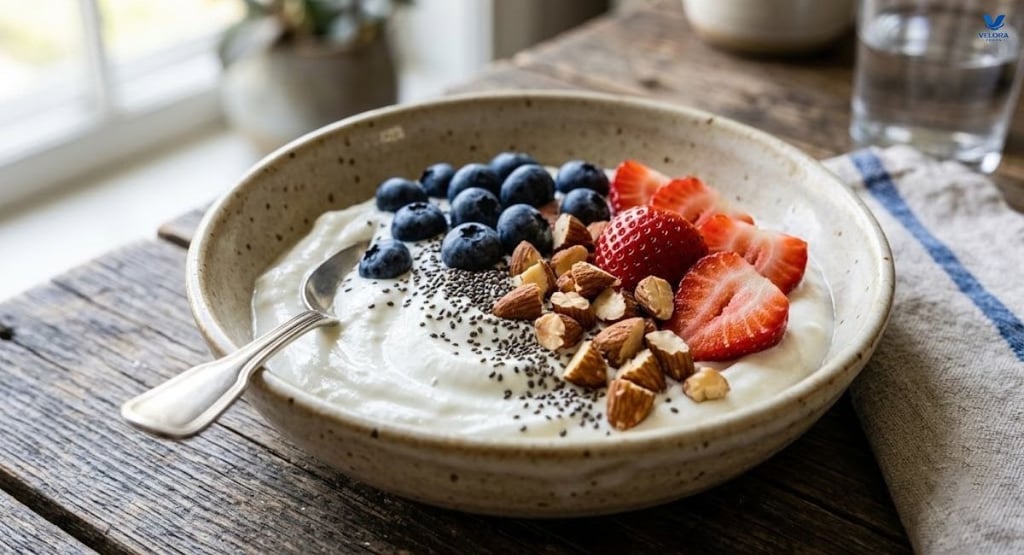
1. Greek Yogurt
Greek yogurt is one of the most sought-after foods in the field of high-protein foods since it has almost double the amount of protein as regular yogurt. It is made by straining out the excess whey and, in the process, becomes thicker and has a higher protein content.
Plain Greek yogurt offers a beneficial amount of protein, at around 15 to 20 grams of protein in a 6 oz. (170 g) portion, which makes it a great breakfast or snack idea.
Health Benefits
· Helps muscles regenerate and build.
· High in calcium for strong bones.
· Contains probiotics that promote gut health
· Helps to maintain a sense of being full for longer.
· May contribute to healthy weight management
Easy Ways to Enjoy Greek Yogurt
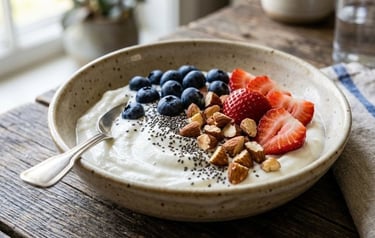
· Sprinkled with fresh berries and nuts.
· Blend into smoothies.
· Use as a healthier alternative to sour cream.
· Add to oats to make overnight oats.
· Satisfy a sweet craving with honey and cinnamon.
10. Quinoa
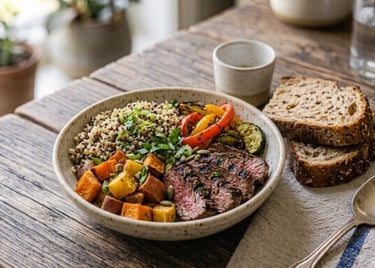
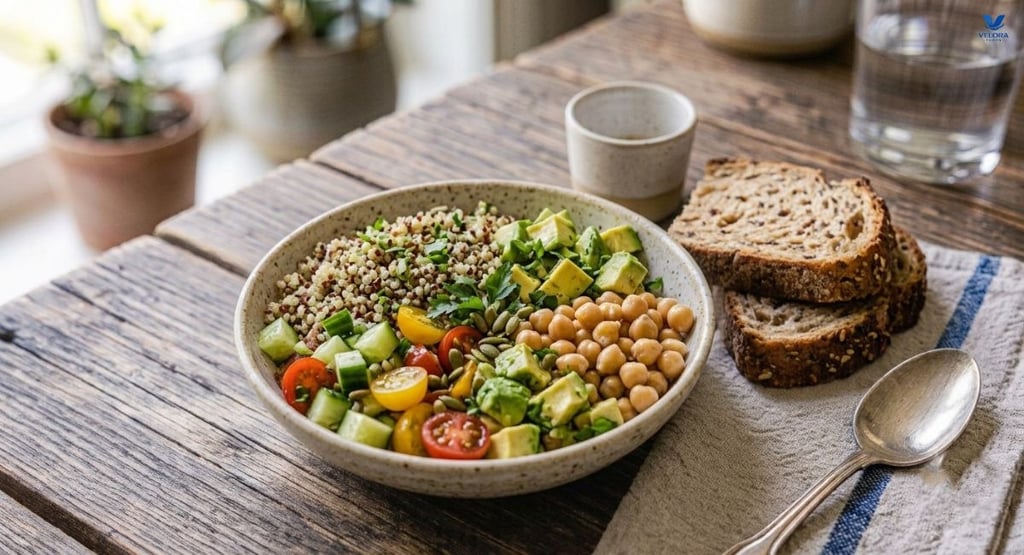
Quinoa is distinct from other grains in that it is a complete plant protein since it naturally includes all nine essential amino acids. About 8 grams of protein, fiber, iron, magnesium, and antioxidants can be found in one cooked cup.
It goes nicely with vegetables, beans, chicken, and seafood and is naturally gluten-free.
Advantages for Health
• Whole plant protein
• Packed with dietary fiber
• Promotes intestinal health
• Offers iron and magnesium
Healthful Quinoa Gluten-Free Recipes
• Quinoa bowls for breakfast
• Quinoa salads
• Vegetables that are stuffed
• A side dish in place of rice •
• Bowls for meal preparation
Easy High-Protein Meal Ideas
Getting more protein doesn’t need to be difficult. Try these healthy meal ideas:
Breakfast
• Greek yogurt with berries & nuts
• Veggie omelet with whole grain toast
• Fresh fruit and cottage cheese
• Protein shake (milk, banana, oats)
Midday meal
• Salad with grilled chicken
• Lentil soup and whole wheat bread
• Chickpea and quinoa bowl
• Turkey and veggie wrap
Dinner
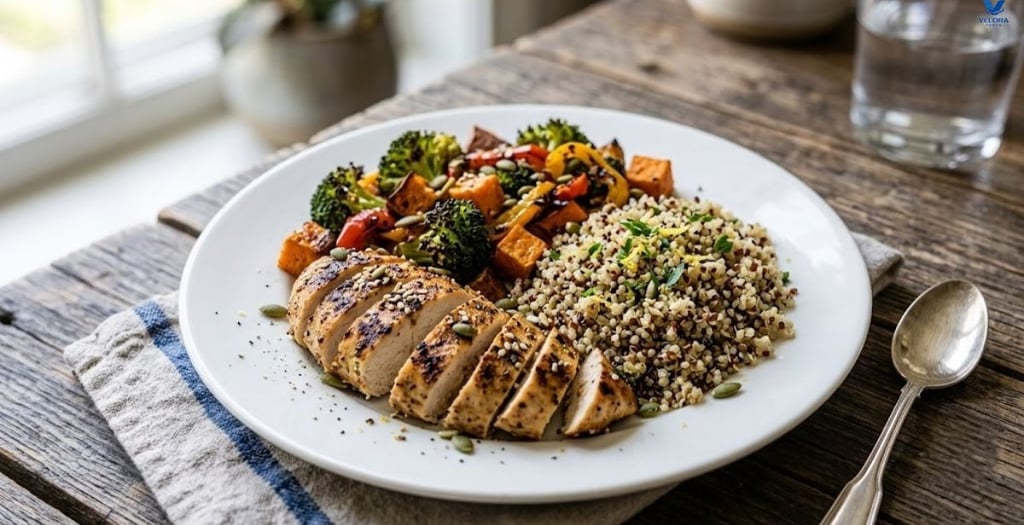
• Baked salmon with broccoli and quinoa
• Grilled chicken, roasted vegetables
• Stir-fried tofu with brown rice
• Healthy Snacks
• Lean beef and sweet potatoes
• Eggs, boiled
• Chickpeas, roasted
• Greek yogurt
• Nuts, mixed
• Cottage cheese with fruit
Common Mistakes to Avoid
Here are a few tips to remember when increasing your protein intake:
• Don’t rely on processed protein products.
• Eat a healthy diet that includes vegetables, fruits, and whole grains.
• Drink lots of water, especially if you are increasing protein.
• Spread your protein intake throughout the day, rather than consuming it all at once.
• Select a variety of protein sources to take advantage of different nutrients.
Frequently Asked Questions (FAQs)
What food has the highest protein?
One of the richest protein sources in nature is skinless chicken breast, but Greek yogurt, lean beef, cottage cheese, salmon, and lentils are also great choices.
Can I eat high-protein foods every day?
Yes. Proteins are a key part of a balanced diet for most healthy adults and should be included every day. People are different and will have different needs in relation to health, activity, and age.
Can plant proteins be as nutritious as animal proteins?
Yes. Plant proteins like lentils, tofu, chickpeas, and quinoa are also rich in fiber, vitamins, and minerals. Having a variety of plant food helps get a balanced intake of nutrients.
Do high-protein foods help with weight management?
Protein can help you feel your fullest for a longer time, which can aid in healthy weight management along with a healthy eating pattern and regular exercise.
Can older adults benefit from eating more protein?
Good protein may be beneficial to the older adult to help preserve muscle mass and strength during aging. Advice to personalize should be from a healthcare professional.
Final Thoughts
High-protein foods are not only a fad diet but also an essential component of a nutritious and balanced diet. From chicken, salmon, eggs, and cottage cheese to lentils, chickpeas, tofu, and quinoa, there are plenty of healthy foods that can help you get your protein requirements.
The key is variety. The variety of proteins provided each week, along with pairing them with fruits, vegetables, whole grains, and healthy fats, can help make meals satisfying and promote energy, muscle maintenance, and overall health.
These small changes can add up over time, for example, by having Greek yogurt for breakfast, adding lentils to soup, or swapping out refined snacks for roasted chickpeas. Emphasize the development of a balanced diet that will be followed over a lifetime, not a fad diet.
References
Harvard T.H. Chan School of Public Health. (2024). The Nutrition Source: Protein. https://nutritionsource.hsph.harvard.edu/protein/
Academy of Nutrition and Dietetics. (2024). Protein Foods. https://www.eatright.org
U.S. Department of Agriculture. (2024). MyPlate: Protein Foods. https://www.myplate.gov
National Institutes of Health, Office of Dietary Supplements. (2024). Dietary Supplement Fact Sheets. https://ods.od.nih.gov
Velora Foods
Healthy eating guides, drink information, and recipes inspired by food traditions from around the world.
Explore
Get in Touch
Velorafoods0@gmail.com
+92 316 063 7537
Sadiqabad, Punjab, Pakistan
© 2026 Velora Foods—Practical nutrition tools, healthy eating resources, and kitchen tips.
HEALTHY EATING & FOOD GUIDES