Best Foods for Weight Loss: A Complete Guide to Healthy Eating
Discover the best foods for weight loss that help control hunger, boost metabolism, and support healthy, sustainable weight management with nutritious meal choices.
HEALTHY EATING
M S ISHAQ
7/3/20269 min read
Introduction
Losing weight isn't just a matter of cutting back on calories. What you eat can make a huge difference to your energy, appetite, metabolism, and health on a daily basis. The best way to lose weight and keep it off is to eat foods that are full of nutrients, rather than a diet that restricts what you can eat or drink.
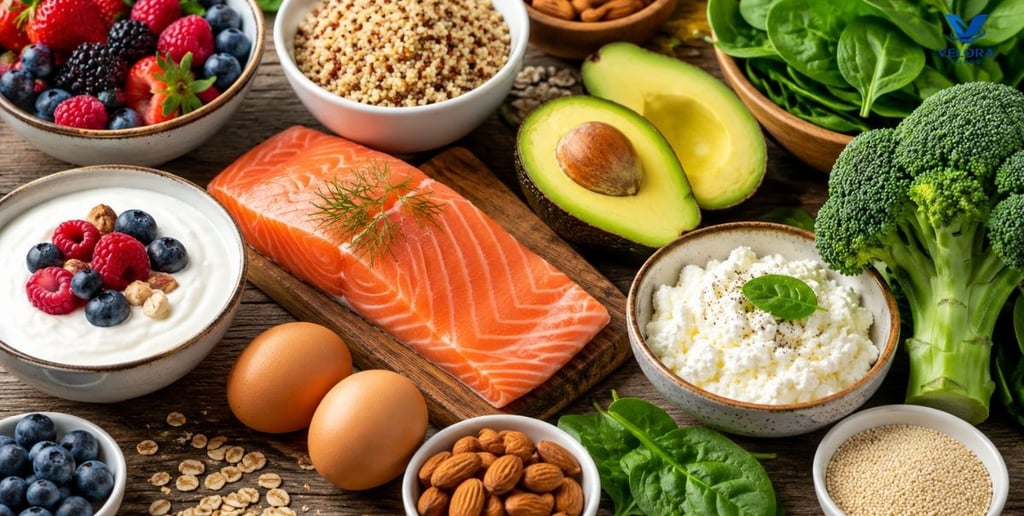
The top foods for weight loss are all those rich in protein, fiber, vitamins, minerals, and healthy fats. These nutrients can keep you feeling full for extended periods, curb cravings for foods that are less healthy, maintain your muscles, and supply energy to the body. A well-balanced diet containing whole foods may also reduce the risk of chronic conditions like heart disease, type 2 diabetes, and obesity.
This is not about cutting out food groups—it's about healthy weight loss and fad diets. It's about making better food decisions, portion control, physical activity, and developing habits that you can adopt for your lifestyle. Small changes in eating habits can have a long-term impact.
This guide will tell you about some of the healthiest foods for eating to lose weight, why they're so effective, and how you can easily incorporate them into your daily diet. From the start, or if you are already on a weight loss plan, these foods can help you get to your health goals.
Why Food Choice Matters for Weight Loss
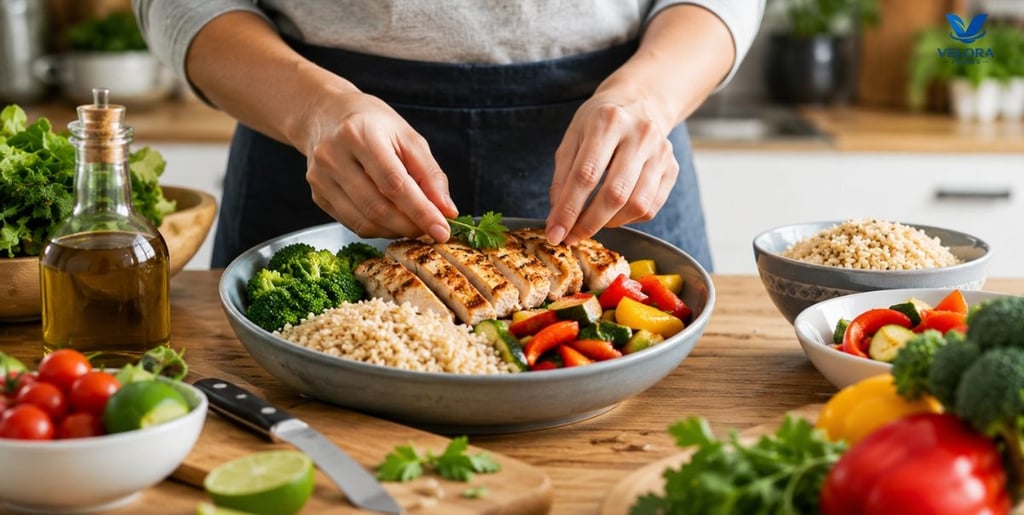
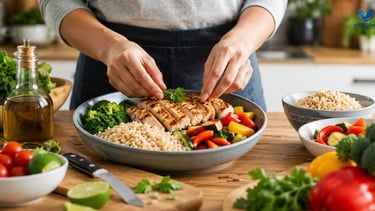
Most people think that weight loss involves just the number of calories they take in, but it's just as important which calories they eat. Nutrient-rich foods optimize your body and keep you full in between meals. On the other hand, highly processed foods may be high in added sugars, refined grains, unhealthy fats, and too much sodium, which can lead to more cravings and make it more challenging to maintain a healthy weight.
Highly processed foods are digested more quickly than whole foods. Protein and fiber are a perfect team to make you feel full so you are unlikely to consume extra calories. These nutrients also play a role in keeping blood sugar levels level, which means people don't experience sudden drops in energy and don't crave sugar-based snacks.
Consuming nutrient-rich foods is not just about weight loss; it has other advantages too. Eating a nutritious diet can help maintain the health of the heart, boost the immune system, aid in digestion, and help maintain a balanced energy level throughout the day. Making healthier choices at most meals can enhance your health and make losing weight easier.
The advantages of eating healthy foods are
Better appetite control
Longer-lasting fullness
Improved digestion
Stable energy levels
Improved blood sugar control
Cravings for processed foods were decreased.
Improved heart health
A successful weight loss program is not one where you make drastic changes and only eat a certain way for a short period of time. Eating well and sticking to a plan can help you to achieve healthy weight loss and to sustain the weight loss over time. Sustainable weight loss is all about long-term healthy habits.
How Weight Loss Really Works
Weight loss occurs when your body is burning more calories than it is getting from your food and beverages. This is usually referred to as a calorie deficit. But creating a calorie deficit doesn't mean starving yourself or cutting out the foods you love. The objective here is to consume foods that will provide you with the nutrients your body requires and will reduce your appetite.
Protein-rich foods take more energy for digesting and are used to maintain lean muscle mass during weight loss. Foods high in fiber have a longer digestion time, promote a feeling of fullness, and have beneficial effects on the digestive system. Healthy fats will keep you full for longer, and a complex carbohydrate will give you a steady release of energy, rather than a spike in blood sugar levels.
There are a number of healthy habits that combine to create successful weight management:
Consume well-balanced meals with protein, vegetables, whole grains, and healthy fats.
Be active physically with regular exercise and daily activities.
Keep hydrated by drinking plenty of liquids.
Sleep between 7 and 9 hours of quality sleep daily.
Relax the mind and/or do activities that are fun.
Use a portion control system and practice mindful eating.
Typically, healthy weight loss is done slowly. To lose weight slowly by eating a balanced diet and exercising regularly is more sustainable than crash diets that are extreme.
Nutrients That Support Healthy Weight Loss
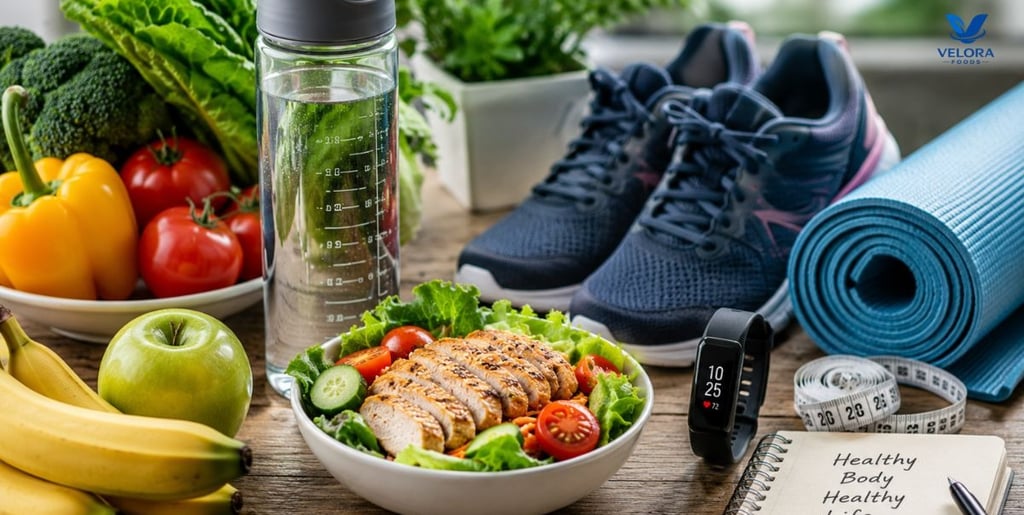
To facilitate weight loss and make it more enjoyable, one should opt for foods with high nutritional content. There are four nutrients that are particularly significant for keeping you feeling full, maintaining muscle mass, and providing good nutrition.
Protein
Protein is one of the best nutrients to help with weight loss. Promotes muscle recovery and satisfaction after eating. Protein is harder to break down than refined carbohydrates, which can help to keep people from getting too hungry and overindulging.
Excellent sources of protein include:
Salmon
Chicken breast
Eggs
Greek yogurt
Lentils
Beans
Tofu
Fiber
Another vital nutrient that helps with healthy weight loss is fiber. It helps to slow digestion, regulate blood sugar, and maintain a healthy digestive system. Fiber-rich foods also tend to be more filling, which can help to keep calories in check.
Fiber is found in many foods, such as those listed below:
Oats
Apples
Berries
Broccoli
Beans
Lentils
Whole grains
Healthy Fats
Healthy fats make you more satisfied after eating and play a key role in the function of the heart and brain. Fats have more calories than protein or carbohydrates, but healthy fats can be used in small amounts as a component of a balanced weight loss diet.
Healthy fats are those that are found in the following:
Avocados
Olive oil
Almonds
Walnuts
Chia seeds
Flaxseeds
Complex Carbohydrates
Complex carbohydrates are a source of slow-release energy and have higher fiber content than refined carbohydrates. They are helpful to maintain your energy level throughout the day and aid in maintaining a steady blood sugar.
Examples include:
Brown rice
Quinoa
Sweet potatoes
Oats
Whole-grain bread
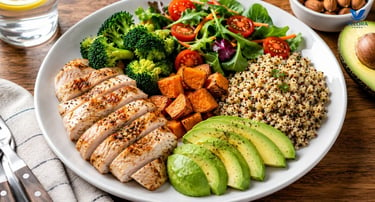
Best Foods for Weight Loss
1. Salmon
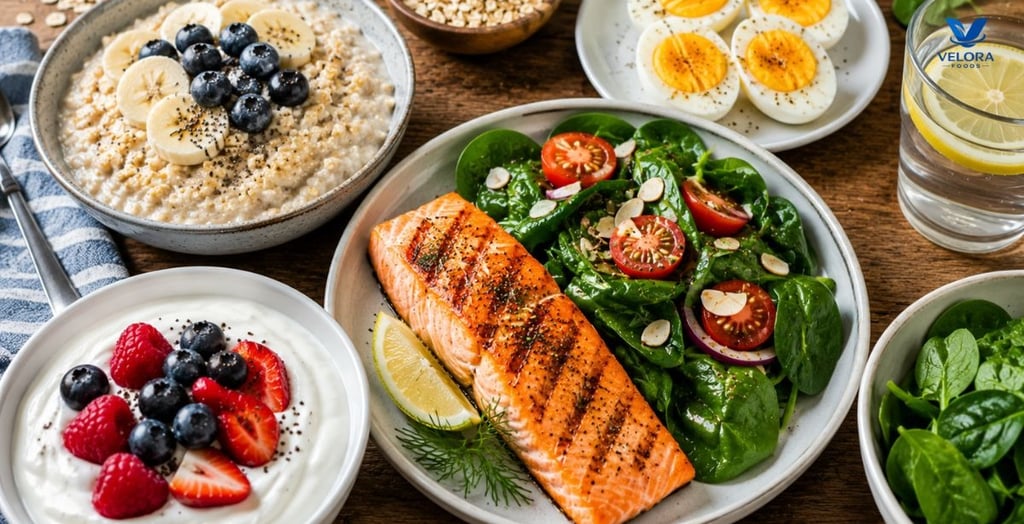
Salmon is one of the healthiest foods to reduce weight because it contains rich, high-quality proteins and is high in omega-3 fatty acids, which are beneficial for the heart. Protein keeps you feeling full longer, and omega 3 fats promote good health. Salmon pairs well with vegetables and whole grains and is a great addition towards a balanced meal when grilled or baked.
2. Eggs
Eggs offer a good source of protein, various vitamins and minerals, and are fairly low in calories. The egg as a part of a well-balanced breakfast can help to curb hunger during the day, making it a great addition to your weight management plan.
3. Greek Yogurt
Plain Greek yogurt is a good source of protein and contains probiotics, which can help to improve gut health. Great for a healthy breakfast or snack and can be combined with berries, nuts, and/or oats for extra fiber.
4. Oats
Oats are a whole grain and high in soluble fiber, which can promote fullness and promote healthy cholesterol levels. Fresh fruits and seeds on oatmeal make for a great breakfast.
5. Leafy Greens
Leafy greens, like spinach, kale, lettuce, and Swiss chard, are low in calories and high in vitamins, minerals, and fiber. They can help to fill you up without providing a lot of calories, which helps maintain your overall health.
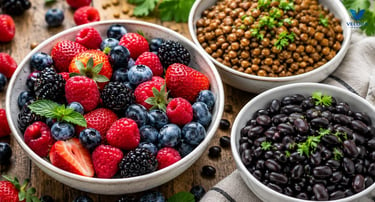
6. Berries
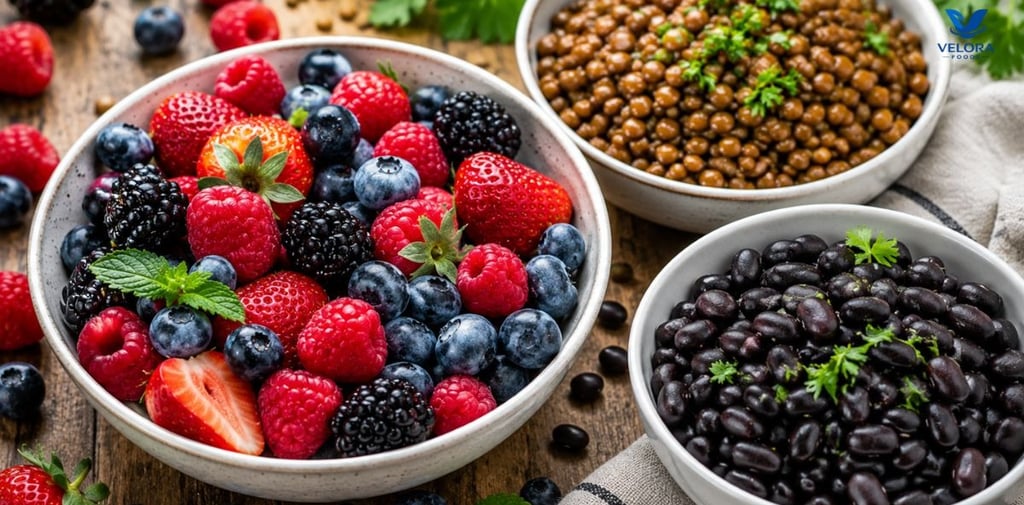
Fruits like strawberries, blueberries, raspberries, and blackberries are low in calories and rich in fiber, antioxidants, and vitamin C. They're naturally sweet and make a great sweet treat alternative and can help curb sugar cravings. Fiber provides slow digestion and keeps you fuller for longer.
Health advantages of berries
Low in calories
High in fiber
Rich in antioxidants
Supports heart health
Regulates blood sugar levels
Healthy Serving Ideas
Add to oatmeal
Mix into Greek yogurt
Blend into smoothies
Enjoy as a healthy snack
7. Beans and Lentils
Beans and lentils are the low-cost plant-based foods that are rich in protein, fiber, iron, and much more. They provide a slow-release food that helps to control hunger while promoting healthy digestion.
Benefits of Beans and Lentils
High in protein
Excellent source of fiber
Supports digestive health
Promotes faster weight loss
Budget-friendly
Healthy Eating Habits
Lentil soup
Bean salad
Chili
Rice and beans
Vegetable curry
8. Avocados
Avocados are good fats, but they can be included in a healthy weight loss plan. The fiber and monounsaturated fat they contain work together to promote fullness and heart health.
Avocados and their benefits
Contains plenty of proper fats
High in fiber
Supports heart health
Promotes fullness
Contains potassium
Healthy Snacking and Desserts
Avocado toast
Salads
Smoothies
Guacamole
Sandwiches
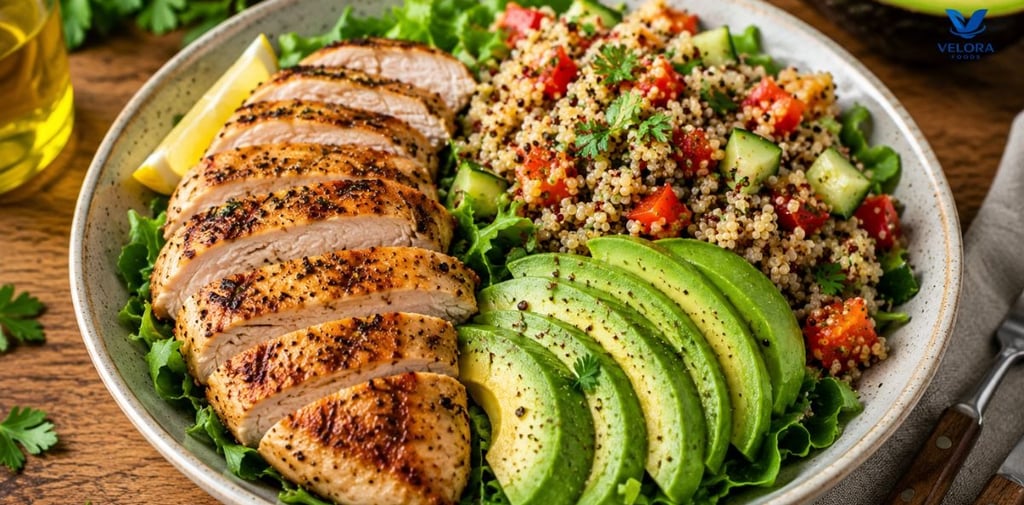
9. Chicken Breast
One of the best lean protein sources available is skinless chicken breast. This is great for keeping muscle mass and promoting healthy weight management.
Lean protein
Low in sugar
Supports muscle maintenance
Highly versatile
Healthy Serving Ideas
Grilled chicken salad
Stir-fry
Whole-grain wraps
Chicken baked with veggies
10. Quinoa
Quinoa is a nutritious whole grain, high in protein, fiber and all of the nine essential amino acids. It's a great substitute for white grains.
Nutritional benefits of quinoa
Complete protein
High in fiber
Gluten-free
Rich in minerals
Provides long-lasting energy
Identify foods and beverages that make a healthy choice.
Grain bowls
Salads
Side dish
Breakfast porridge
11. Broccoli
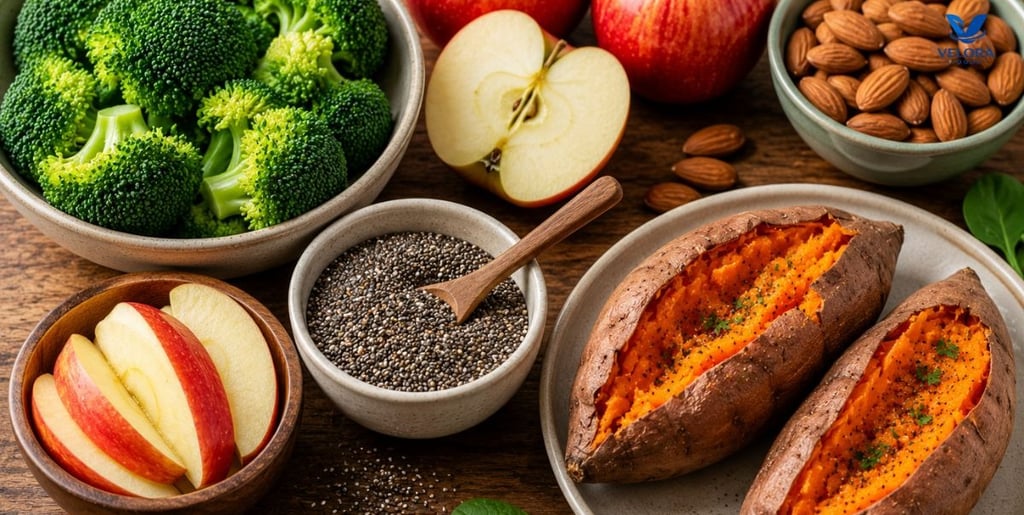
A low-calorie veggie high in fiber, vitamin C, and antioxidants, broccoli is an excellent choice. It can bulk up food and is beneficial for digestive and immune function.
12. Apples
As a natural fruit, apples are sweet, high in fiber, and provide a lot of water—providing a great snack between meals.
13. Nuts
Healthy fats, protein, and fiber are found in almonds, walnuts, and pistachios. Moderate eating portions can help to manage hunger and increase meal satisfaction.
14. Chia Seeds
Chia seeds swell up when they come into contact with water and make you feel fuller for longer. They are also rich in plant protein, fiber, and omega-3 fatty acids.
15. Sweet Potatoes
Sweet potatoes are highly nutritious and loaded with nutrition, including fiber, vitamin A, and complex carbohydrates, which are ideal for maintaining energy levels and preventing hunger.
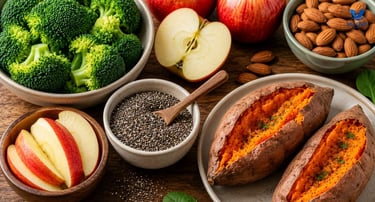
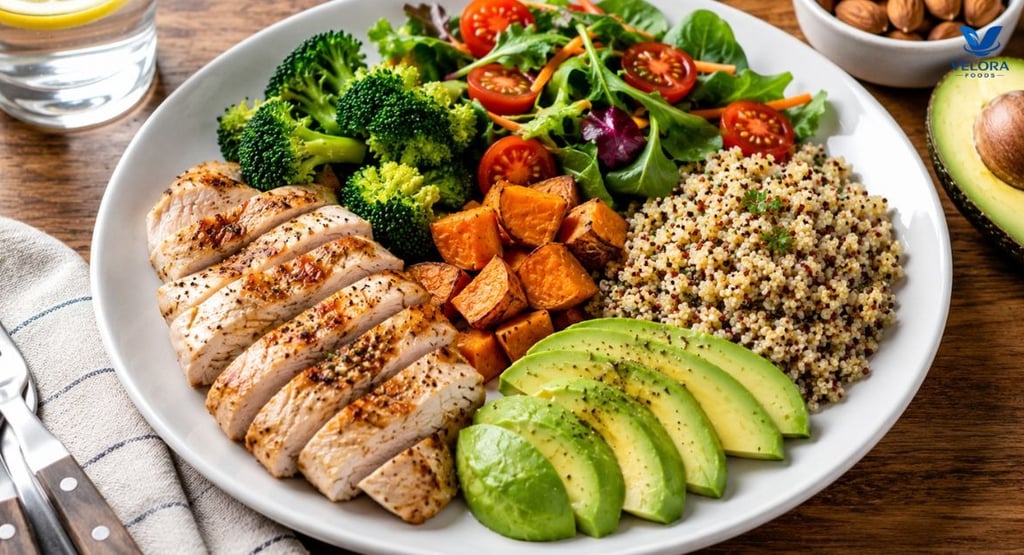
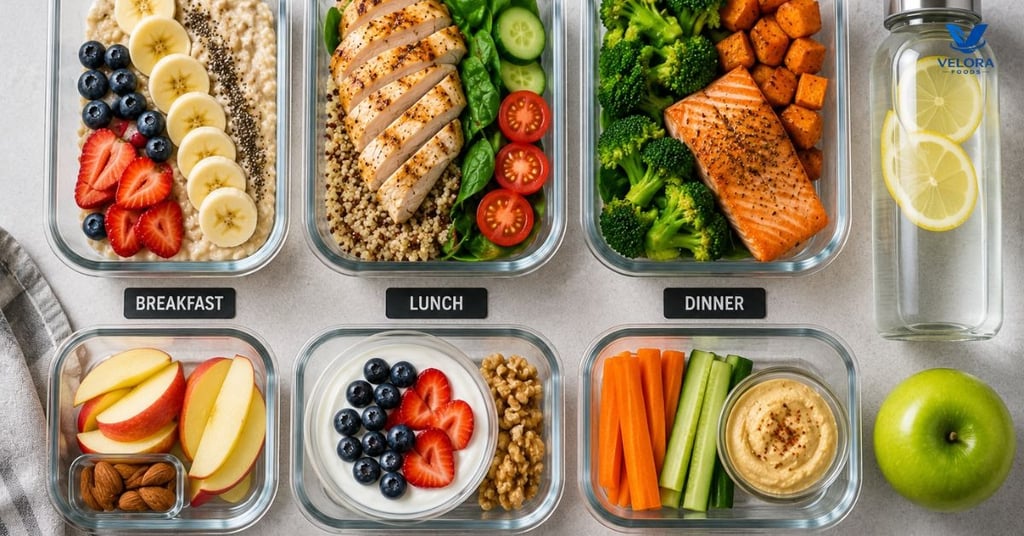
A well-planned diet can make it easy to eat foods that are rich in nutrients yet low in calories to promote steady, healthy weight loss. The sample meal plan contains a balance of lean protein, whole grains, healthy fats, fruits, and vegetables to keep you fed and fueled.
Breakfast
Blueberry and Chia Oatmeal
Plain Greek yogurt
Green tea or water
Morning Snack
Apple and some almonds
Lunch
Grilled chicken breast
Quinoa
Mixed with green salad with olive oil dressing
Afternoon Snack
Greek yogurt and strawberries
Dinner
Baked salmon
Steamed broccoli
Roasted sweet potato
Time: Evening snack (optional)
Herbal tea or a few berries.
Healthier Eating Plans for Weight Loss
Staying healthy can give you a better chance of having a long, successful career.
Have a lot of vegetables at every meal.
Eat protein at each meal.
Get plenty of water all day.
Use water or unsweetened tea instead of sweetened beverages.
Eat whole grains instead of refined grains.
Reduce foods that are high in processing.
Practice portion control.
Make shopping lists and meal plans.
Read and understand labels.
Exercise regularly, most days of the week.
Common Pitfalls to Be Avoided
There are a number of things that people do without realizing that slow them down.
Try to avoid the following bad habits:
Skipping meals
Consuming inadequate levels of protein.
Eating sugary foods regularly
Ignoring portion sizes.
Overeating of processed foods.
Not getting enough sleep
Expecting immediate results
Making a balanced diet a part of your healthy weight loss effort takes time, consistency, and dedication.
Frequently Asked Questions
What are the best foods for weight loss?
Protein, fiber, and nutrients in foods like salmon, eggs, Greek yogurt, oats, leafy green vegetables, berries, beans, chicken breast, quinoa, broccoli, apples, nuts, chia seeds, and sweet potatoes are great options.
Is it possible to lose weight without cutting carbs?
Yes. Eating complex carbs such as oats, quinoa, brown rice, and sweet potatoes can help you lose weight healthily and keep you energized throughout.
What is the appropriate protein quantity for me?
Protein requirements are related to age, activity level, and health objectives. Having good protein with every meal can help aid in muscle maintenance and satiety.
Is it good to lose weight with healthy fats?
Yes. When eaten in moderation, healthy fats like avocados, nuts, seeds, and olive oil can help to satisfy hunger and fuel the body's processes.
Do you need to have a workout if you want to lose weight?
A healthy diet is a key part of weight management; however, a healthy diet along with regular exercise offers the greatest long-term weight management benefits.
Conclusion
Eating the right foods for weight loss can be one of the best ways to get healthy and maintain weight loss. Eat foods that will keep your hunger at bay, give you sustained energy, and nourish your body: protein-rich foods, fiber-rich fruits and vegetables, healthy fats, and whole grains.
Instead of resorting to restrictive diets or crash diets, concentrate on creating a well-balanced meal comprising diverse nutrient-rich foods. These food choices, coupled with proper exercise, sleep, water, and healthy routines, will help you achieve your desired results and stay healthier for years.
References
Academy of Nutrition and Dietetics. (2024). Eat Right: Healthy eating. https://www.eatright.org
Harvard T.H. Chan School of Public Health. (2024). The Nutrition Source. https://nutritionsource.hsph.harvard.edu
U.S. Department of Agriculture & U.S. Department of Health and Human Services. (2020). Dietary Guidelines for Americans, 2020–2025 (9th ed.). https://www.dietaryguidelines.gov
World Health Organization. (2024). Healthy diet. https://www.who.int/news-room/fact-sheets/detail/healthy-diet
Velora Foods
Healthy eating guides, drink information, and recipes inspired by food traditions from around the world.
Explore
Get in Touch
Velorafoods0@gmail.com
+92 316 063 7537
Sadiqabad, Punjab, Pakistan
© 2026 Velora Foods—Practical nutrition tools, healthy eating resources, and kitchen tips.
HEALTHY EATING & FOOD GUIDES