Foods Rich in Vitamin D: Benefits, Deficiency, and the Best Natural Sources
Learn why vitamin D is essential for your health, discover deficiency symptoms, daily requirements, and the best natural food sources.
CLINICAL NUTRITION
M S ISHAQ
7/4/20267 min read
Vitamin D is one of the most essential vitamins for having good health. It's also referred to as the "sunshine vitamin" because it's a vitamin that the body naturally produces when skin is exposed to sunlight. But people's lifestyles have become modern, and they cannot get much sun, which makes nutrition deficiency of vitamin D a common concern all around the world. Low vitamin D levels may result from long periods spent indoors, regular use of sunscreen, or living in areas where there isn't enough sunlight. Low vitamin D levels can also be caused by eating a diet that lacks vitamin D-rich foods.
Vitamin D is very important for the absorption of calcium and phosphorus, building blocks of strong bones and teeth. It also helps to maintain a healthy body, normal muscle function, and immune health. Vitamin D is necessary for the body to efficiently absorb calcium, which makes it easier to prevent weak bones and other health issues (National Institutes of Health [NIH], 2025).
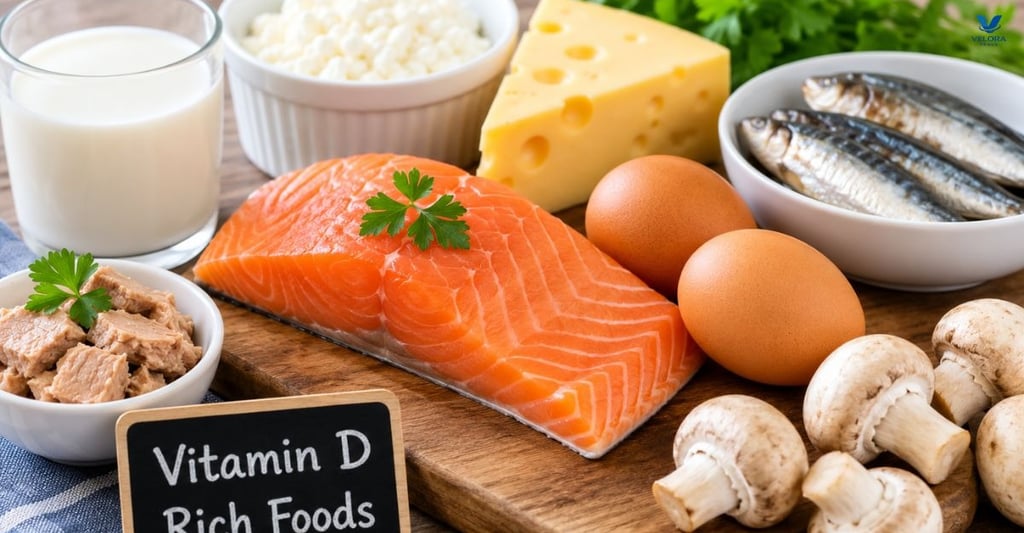
While sunlight is the biggest source of vitamin D, diet is another great source of vitamin D. The essential nutrient is found in large quantities in fatty fish, egg yolks, fortified dairy products, and UV-exposed mushrooms. These foods can be a part of a well-balanced diet to maintain healthy vitamin D levels year-round (Harvard T.H. Chan School of Public Health, n.d.).


What Does Vitamin D Do?
Vitamin D is a fat-soluble vitamin that plays a role in numerous functions of the body. It is also secreted like a hormone in that it helps regulate the calcium balance, and it affects a variety of tissues and organs, unlike most vitamins.
There are three main sources of vitamin D in your body:
Sunlight exposure
The natural foods that are rich in vitamin D are ideal choices.
Fortified foods and dietary supplements
Proper vitamin D levels are crucial at all ages, starting from childhood and continuing through later life (NIH, 2025).
Vitamin D2 (ergocalciferol)
Vitamin D2 is predominantly present in mushrooms that have been exposed to ultraviolet (UV) light and in some fortified foods. It has also been used as a dietary supplement and has a beneficial effect in raising vitamin D.
The vitamin D3 (cholecalciferol)
Vitamin D3 is synthesized in the body by sunlight striking the skin. It's also present in foods of animal origin like salmon, tuna, sardines, egg yolks, and cod liver oil. Studies indicate that vitamin D3 is more effective than vitamin D2 in keeping levels of vitamin D at an adequate level (Harvard T.H. Chan School of Public Health, n.d.).
Why Is Vitamin D Important?
Vitamin D is involved in numerous important processes that promote well-being.
Supports Strong Bones and Teeth
Vitamin D helps in the absorption of calcium and phosphorus, which are minerals important for healthy bones and teeth. Fostering good bone health throughout life (NIH, 2025).
Supports the Immune System
Vitamin D is important for normal immune system function and its role in supporting the body's natural defense mechanisms.
Promotes Healthy Muscle Function
Normal vitamin D levels are necessary for optimum muscle function and physical performance. This is particularly important with older people who are more likely to fall when vitamin D levels are low.
Supports Overall Health.
Vitamin D plays a role in numerous normal body functions. When necessary, consuming food, sunshine, or vitamin D supplements can help meet your daily vitamin D requirements as part of a healthy lifestyle.
Signs of Vitamin D Deficiency
Vitamin D deficiency can occur gradually, and sometimes people don't notice any symptoms in early deficiency.
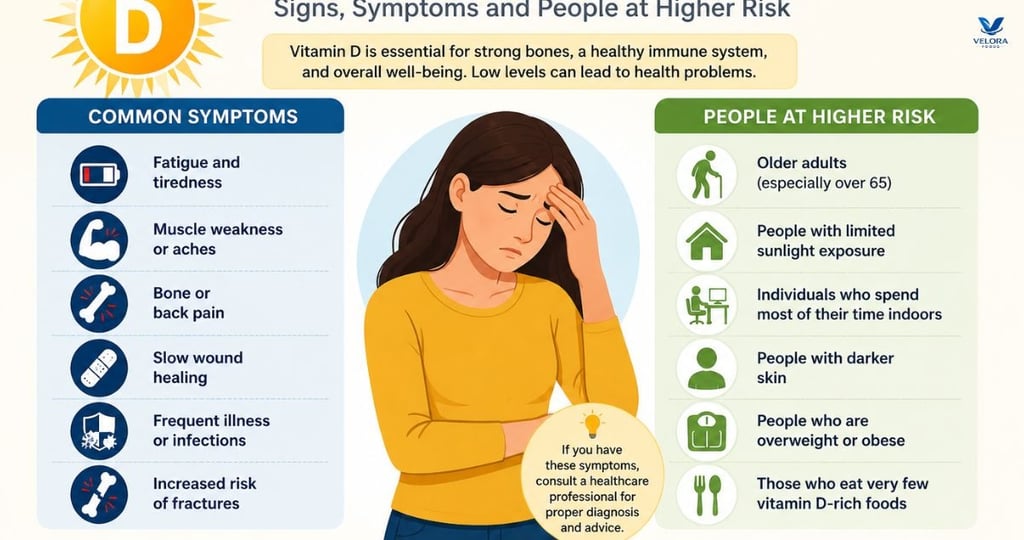
Common Symptoms
Possible symptoms include:
Combined with other symptoms, these include fatigue and low energy.
Muscle weakness
Bone or back pain
Slow wound healing
Frequent illness
An increased risk of fractures. Higher fracture risk.
There are many causes for these symptoms, so if you are suffering from them, you should seek advice from a qualified health care professional in order to get a diagnosis and treatment (Mayo Clinic, 2024).
What is the increased risk for?
Some populations are more prone to low vitamin D status, such as
Older adults
Naturally, patients with little sun exposure are at higher risk.
People who do most of their activity indoors.
People with darker skin
People who don't eat many foods that are high in vitamin D.
How much vitamin D do you need?
Vitamin D recommendations are based on age and life stage.

Salmon
Salmon is one of the best natural sources of vitamin D. It also provides a good amount of quality protein, omega-3 fatty acids, vitamin B12, and selenium. Salmon is a good choice for a healthy meal when it's grilled, baked, or steamed. Eating oily fish (like salmon) regularly can support the health of the heart, brain, and bone (National Institutes of Health [NIH], 2025).
Mackerel
Another oily fish that is naturally rich in vitamin D is mackerel. High in good fat, protein, and minerals. Eating mackerel with vegetables or whole grains makes for a healthy and well-rounded meal.
Sardines
Although small, sardines are a nutrient-dense fish. They are a source of vitamin D, calcium, protein, and omega-3 fatty acids. Sardines are good for bones because edible bones contain calcium.
Tuna
Both fresh and canned tuna are sources of vitamin D, with fresh tuna having more. Tuna is also a great source of lean protein and vitamin B12. To reduce mercury exposure, enjoy tuna as part of a varied diet.
Herring
Herring is an oily, flavorful fish rich in vitamin D, protein, and healthy fats. It is frequently grilled, smoked, or pickled in various cuisines in the world.
Egg Yolks
Vitamin D is naturally present in egg yolk, as well as protein, good fats, and a variety of vitamins and minerals. Eggs are an excellent way to get more vitamin D in breakfast or lunch.
UV-Exposed Mushrooms
One of the few plant sources of vitamin D is mushrooms that have been exposed to ultraviolet (UV) light. They make a great addition to soups, salads, pasta, and stir-fries and are ideal for vegetarians (Harvard T.H. Chan School of Public Health, n.d.).
Soya Milk and Other Plant-Based Milks
Some dairy products and plant-based beverages like soy, oat, and almond milk are fortified with vitamin D; D. Always see the Nutrition Facts label to find out if vitamin D is added.
Fortified Breakfast Cereals
Vitamin D and other vitamins and minerals are added to some breakfast cereals. Fortified cereal and fortified milk may be a good way to boost your vitamin D levels on a daily basis.
Cod Liver Oil
Cod liver oil is a good source of vitamin D. It is also high in vitamin A, so it is important to use it in accordance with the recommended serving size.
Vitamin D Content in Foods
Health conditions, medications, pregnancy, or other factors may vary from person to person. When necessary, a healthcare professional can give tailored recommendations (NIH, 2025).
Top Natural Foods Rich in Vitamin D
Having a diverse diet that contains foods rich in vitamin D can help maintain adequate vitamin D levels. This nutrient is not found in many foods, but adding it in regularly to your diet can make a difference.
Conclusion
Vitamin D is a crucial fat-soluble vitamin that plays a vital role in maintaining bone health, muscle function, and a healthy immune system. Sunlight is the main source of vitamin D, but certain foods like fortified dairy products, UV-exposed mushrooms, egg yolks, tuna, salmon, and mackerel are also good sources to maintain healthy levels. One of the top ways to promote overall wellness is to have a healthy diet and healthy lifestyle habits.
References
Harvard T.H. Chan School of Public Health. (n.d.). Vitamin D. https://www.hsph.harvard.edu/nutritionsource/vitamin-d/
Mayo Clinic. (2024). Vitamin D. https://www.mayoclinic.org
National Institutes of Health, Office of Dietary Supplements. (2025). Vitamin D: Fact Sheet for Consumers. https://ods.od.nih.gov/factsheets/VitaminD-Consumer/
U.S. Department of Agriculture. (n.d.). FoodData Central. https://fdc.nal.usda.gov/
World Health Organization. (2020). Healthy diet. https://www.who.int/news-room/fact-sheets/detail/healthy-diet
Some tips to help you increase vitamin D levels naturally
Eating specific foods is not the only way to maintain healthy vitamin D levels.
Enlist Oily Fish Weekly
Include salmon, sardines, mackerel, or herring in your diet at least once or twice a week.
Select fortified foods.
When you can, choose fortified milk, yogurt, breakfast cereals, or a plant-based milk.
Enjoy Safe Sunlight Exposure
The body makes vitamin D naturally when it is exposed to moderate amounts of sunlight. How much sun exposure a person requires depends on skin type, season, and where and when they are in the sun (Mayo Clinic, 2024).
Have a Healthy Diet.
Consuming fruits, vegetables, whole grains, lean proteins, and vitamin D-rich foods is part of a healthy eating pattern and contributes to good health (World Health Organization [WHO], 2020).
Frequently Asked Questions
Which food has the most vitamin D?
About 1,360 IU (34 mcg) of vitamin D is found in 1 tablespoon of cod liver oil, which is one of the richest natural sources of vitamin D. Another good natural source is fatty fish like salmon, rainbow trout, or mackerel.
Is salmon rich in vitamin D?
Yes. The best natural source of vitamin D is salmon. Cooked sockeye salmon is a great source of vitamin D with about 570 IU (14.2 mcg) per 3-ounce (85 g) serving, which is excellent for bone and immune health.
Are eggs a good source of vitamin D?
Yes, but not as much. A large egg yolk contains approximately 37 IU (0.9 mcg) of vitamin D. Eggs are a source of vitamin D in the diet but are best paired with other foods that contain vitamin D.
Can mushrooms provide vitamin D?
Yes. A serving of UV-exposed mushrooms can give you up to 366 IU (9.2 mcg) of vitamin D, depending on the type of mushroom and how much they've been exposed to the sun.
Does the sunlight provide enough vitamin D?
Your skin makes vitamin D when exposed to sunlight, but the amount of vitamin D made is dependent on where you live, the season, your skin tone, your age, the time you spend outside, whether you wear clothes or sunscreen, etc.
Which fruit is a source of vitamin D?
Vitamin D levels are very low in natural fruits. Eat more of the foods that are good sources of vitamins: D: fatty fish, egg yolks, mushrooms grown under UV light, and fortified foods (milk, yogurt, plant-based milk, and breakfast cereals).
Vitamin D deficiency is reversible?
Yes. Vitamin D deficiency can be prevented or treated with vitamin D-fortified foods, sensible sun exposure, fortified foods, and supplements, as indicated by a healthcare professional. It may be necessary to check blood vitamin D levels as follow-up tests.
Quick Summary Table
Velora Foods
Healthy eating guides, drink information, and recipes inspired by food traditions from around the world.
Explore
Get in Touch
Velorafoods0@gmail.com
+92 316 063 7537
Sadiqabad, Punjab, Pakistan
© 2026 Velora Foods—Practical nutrition tools, healthy eating resources, and kitchen tips.
HEALTHY EATING & FOOD GUIDES