
Mediterranean Diet May Be Better for Heart Health, Study Finds
Discover how a new study suggests the Mediterranean diet may provide greater heart health benefits than traditional low-fat diets and learn what to eat.
FOOD NEWS
M S ISHAQ
7/14/20268 min read
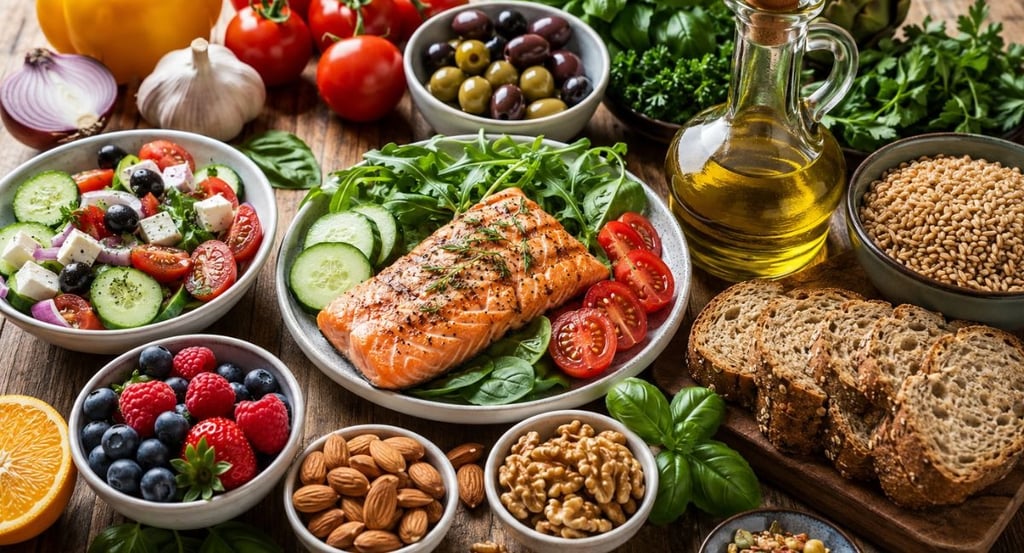

Eating well is more critical than ever as heart disease continues to be one of the biggest killers in the world. Scientists are still studying for what foods offer the best protection from cardiovascular disease. The Mediterranean diet is yet another diet that has shown to be one of the healthiest long-term approaches to heart health, according to a new scientific study.
The Mediterranean diet isn't a "diet" like others, where you cut out a food group; instead, it emphasizes a diversity of nutritious whole foods. New studies have shown that those who regularly stick to this diet may have a reduced risk of heart attacks, strokes, and cardiovascular deaths compared to those who adhere to low-fat diets.
In this article, we will discuss what the current research has shown, the scientific backing for the Mediterranean diet, the foods it encompasses, and some practical tips on how to make it a part of your daily diet.
What Is the Mediterranean Diet?
The Mediterranean diet is based on the traditional food habits of the Mediterranean countries, such as Greece, Italy and southern Spain. This is not a precise diet plan, but rather a general guide to eating that requires an abundance of fresh and highly processed foods.
The Mediterranean diet is not just about calorie restriction; it is a diet that promotes good food and good nutrition. It promotes consumption of foods that are rich in vitamins, minerals, antioxidants, healthy fats, and dietary fiber.
Common foods include:
• Extra virgin olive oil
• Fresh vegetables
• Seasonal fruits
• Whole grains
• Beans and lentils
• Nuts and seeds
• Fish and seafood
• Moderate amounts of yogurt and cheese.
• Herbs and spices rather than too much salt.
Usually restricted foods are:
• Processed meats
• Sugary beverages
• Refined carbohydrates
• Ultra-processed snacks
• Excessive sweets
This approach has been associated with better cardiovascular health, blood sugar control, healthy cholesterol levels and reduced inflammation.
What did the new research reveal?
A new study has been published that looked at long-term health outcomes of adults who followed various diets. Those who followed this Mediterranean diet closely had the same or better cardiovascular results compared to many people who were on standard low fat diets.
The study concluded that a greater adherence with the Mediterranean eating pattern was linked to:
Lower Risk of Cardiovascular Disease is the title of the story.
Those who ate the most fruits, vegetables, olive oil, legumes, whole grains and fish had the lowest rates of major cardiovascular events during the study.
The elimination of cholesterol from the body.
Improved cholesterol clearance.
Unsaturated fats, especially those found in olive oil and nuts, were effective at keeping cholesterol levels healthy, which included raising HDL ("good") cholesterol and keeping LDL ("bad") cholesterol levels in check when part of a healthy diet.
Reduced Chronic Inflammation
A number of the foods eaten in the Mediterranean are rich in antioxidants and anti-inflammatory compounds that can help lower chronic low-grade inflammation, one of the risk factors linked to cardiovascular disease.
Improved Overall Longevity
They also found that those who followed the Mediterranean diet more closely had reduced mortality from cardiovascular disease.
The results are positive but researchers warn that no one food can stop sickness. Rather, the overall diet and long-term healthy lifestyle are responsible for these benefits.


The importance of healthy fats and not just reducing fat intake.
Low-fat diets have long been touted as a way to prevent heart disease. But modern nutrition science has revealed that it's not always the amount of fat that matters, but rather the kind of fat that's eaten.
The Mediterranean diet swaps out saturated and trans fat for better unsaturated fats in these foods:
• Olive oil
• Walnuts
• Almonds
• Pistachios
• Avocados
• Salmon
• Sardines
• Mackerel
These foods are rich in omega-3 fatty acids and monounsaturated fats, which are important for regular heart activity, inflammation prevention, and healthy cholesterol levels.
The focus is now on eliminating fats and selecting healthy fats, and this has become one of the key aspects of contemporary dietary guidelines.
Key Nutrients That Support Heart Health
The Mediterranean diet will naturally supply a few nutrients that are linked to cardiovascular health.
Dietary Fiber
Vegetables, fruits, legumes, and whole grains provide fiber, which helps maintain healthy cholesterol and digestive health.
Omega-3 Fatty Acids
Fatty fish are rich in omega-3 fatty acids, linked to normal heart functioning and triglyceride reduction.
Antioxidants
Cancer-fighting antioxidants like vitamin C, vitamin E, and polyphenols are found in colorful fruits and vegetables, which help fight oxidative stress to the cells.
Potassium
Leafy green vegetables, beans, tomatoes, and bananas are rich in potassium, which is a key mineral needed for a healthy blood pressure.


Each section teaches how to eat and what to limit in your diet that is consistent with the Mediterranean diet.
The best part of the Mediterranean diet is that there are no calorie limits or restrictions on any food groups. Rather, it recommends consuming more healthful, less processed foods most of the time and less of certain foods that can be harmful to the cardiovascular system when consumed in large amounts.
Regular foods to eat
Make the majority of food choices from these nutrient-dense foods:
• Extra virgin olive oil
• Leafy green vegetables
• Tomatoes
• Cucumbers
• Bell peppers
• Broccoli
• Carrots
• Sweet potatoes
• Whole grains (brown rice, oats, quinoa, barley)
• Beans
• Lentils
• Chickpeas
• Fresh fruits
• Almonds
• Walnuts
• Pistachios
• Sunflower seeds
• Chia seeds
• Flaxseeds
The best protein sources include fish, such as salmon, sardines, trout, and tuna.
• Skinless poultry
• Greek yogurt
• Moderate amounts of cheese
• Herbs and spices
• Plenty of water
Foods to Limit
Consume less of the following to get the best heart health benefit:
• Sugary drinks
• Candy
• Cakes and pastries
• White bread
• Processed meats
• Bacon
• Sausages
• Deep-fried foods
• Fast food
• Excess butter
The Mediterranean diet is not a rigid one but a balanced one. But treats can be enjoyed from time to time as part of a healthy lifestyle.
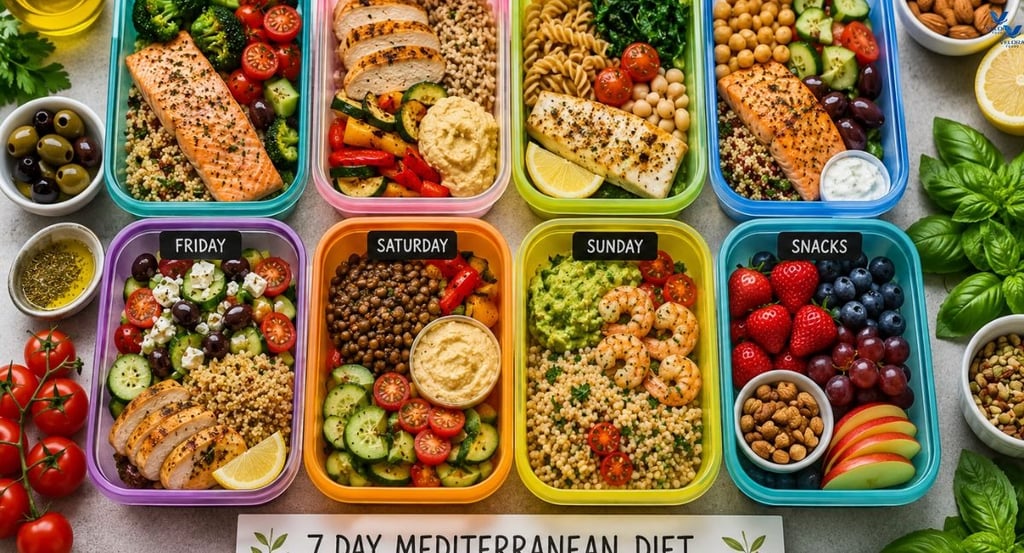
A sample 7-day Mediterranean diet plan.
The following eating plan illustrates how simple it is to make Mediterranean eating a way of life.
Day 1
Breakfast
Greek yogurt topped with berries and walnuts.
Lunch
Chicken salad, grilled and dressed in olive oil.
Dinner
Asparagus, quinoa, and baked salmon.
Day 2
Breakfast
Sliced bananas and almonds on oatmeal
Lunch
Hummus and a whole grain wrap and vegetables.
Dinner
Grilled shrimp and brown rice and roasted vegetables.
Day 3
Breakfast
A toast with whole grain bread, avocado, and tomatoes.
Lunch
Lentil Soup and Mixed Salad
Dinner
Grilled chicken and roasted sweet potatoes
Day 4
Breakfast
Dairy dessert with fruit and plain yogurt.
Lunch
Quinoa salad with chickpeas
Dinner
Baked cod with vegetables and spinach
Day 5
Breakfast
Make a smoothie using veggies and chia seeds.
Lunch
Pasta whole grains, tomato sauce and vegetables
Dinner
Turkey with Asparagus.
Day 6
Breakfast
Overnight oats topped with berries
Lunch
Mediterranean tuna salad
Dinner
Salmon Grilled with roasted brussels sprouts
Day 7
Breakfast
Greek yogurt topped with honey and nut butter. Honey and nut butter drizzled over Greek yogurt.
Lunch
Chicken or vegetable & bean soup
Dinner
Chicken breast, brown rice and mixed vegetables

Health benefits beyond heart health.
The primary known benefit of the Mediterranean diet is cardiovascular protection, but many other health benefits have been linked to it.
Aim for better blood sugar control
Foods high in fibre and healthy fats can help to promote better insulin sensitivity and healthy blood glucose levels.
Healthy Weight Management
Fiber and protein from whole foods keeps people full and satisfied, reducing the likelihood of overeating and resulting in a healthy body weight.
Improved Brain Health
Various studies indicate that following the Mediterranean diet long-term can contribute to good cognitive health and lower the chance of cognitive decline.
Decreased risk for some chronic diseases
Studies suggest that a Mediterranean diet could help reduce the risk of:
• Type 2 diabetes
• Metabolic syndrome
• High blood pressure
• Certain cancers
• Fatty liver disease
Better Gut Health
High-fiber vegetables, fruits, legumes and whole grains feed the good bacteria in the gut, which are essential for digestion, immunity and health.
There are some common misconceptions about the Mediterranean Diet.
Myth 1: It Is Expensive
Many of the staple foods of the Mediterranean are inexpensive and cheap, such as beans, lentils, oats, seasonal produce and canned fish.
Myth #2 is It requires special foods.
Most of the ingredients can be found at regular supermarkets and in normal everyday meals.
(Myth #3) You can consume as much olive oil as you like.
Olive oil is a healthy fat, but remember, not too much, as it is high in calories.
Myth 4: The Diet is for senior citizens only.
A healthy Mediterranean diet, adapted to the needs of individuals, can be beneficial for people of all ages.


Here are some tips for getting started on the Mediterranean diet.
If you haven’t tried this way of eating before, start out with incremental changes:
• Substitute butter for extra virgin olive oil.
• Include vegetables in all meals.
• Eat whole grains rather than refined grains.
• Eat fish at least 2 times a week.
• Snack on nuts instead of chips.
• Consume fewer sugary drinks and more water.
• Prepare more of your meals at home.
• Use herbs and spices instead of salt for flavoring foods.
• Have fresh fruit as dessert.
• Small changes can often result in more lasting changes.
General questions and answers (FAQs)
Is the Mediterranean diet suitable for weight loss?
Yes. It isn't a weight loss diet, but people often lose weight due to its focus on filling, nutrient-rich foods that help curb overeating.
Is it possible to have a Mediterranean diet with diabetes?
The Mediterranean diet is another diet that health professionals recommend for people with type 2 diabetes because of its high fiber content and high content of healthy fats. People should ask their health care professional for specific recommendations.
How many times a week should I eat fish?
Fatty fish is recommended by most nutritionists to be eaten at least twice a week for the added benefit of the omega-3 fatty acids it provides.
Is dairy allowed?
Yes. Many yogurts, cheeses, and other moderate amounts of dairy are part of it, and heavily processed dairy foods are usually restricted.
May not eat red meat?
No. Red meat isn't prohibited, but it's usually not consumed as often as fish, legumes, and poultry.
Conclusion
Growing scientific evidence continues to support the Mediterranean diet heart health connection. Instead of just cutting back on fat, the Mediterranean diet concentrates on swapping the unhealthy fats for the healthy, nutrient-packed fat sources like fish, olive oil, vegetables, fruits, legumes, nuts, and whole grains.
New studies indicate that this balanced diet can offer more protection against cardiovascular disease than a traditional low-fat diet and can also benefit healthy aging, blood sugar control, brain function, and overall health and well-being.
The Mediterranean diet isn't an extreme change of lifestyle. Making a few simple changes, like incorporating more vegetables into your diet, swapping out a serving of a refined food for a serving of a whole food, and opting for healthy fats, can help pave the way towards a healthier future and
a healthy heart.
References
Estruch R, Ros E, Salas-Salvadó J, et al. Primary Prevention of Cardiovascular Disease with a Mediterranean Diet. New England Journal of Medicine.
American Heart Association. Mediterranean Eating Pattern.
Harvard T.H. Chan School of Public Health. The Nutrition Source: Mediterranean Diet.
World Health Organization (WHO). Healthy Diet Guidelines.
U.S. Department of Agriculture (USDA). Dietary Guidelines for Americans.
Velora Foods
Healthy eating guides, drink information, and recipes inspired by food traditions from around the world.
Explore
Get in Touch
Velorafoods0@gmail.com
+92 316 063 7537
Sadiqabad, Punjab, Pakistan
© 2026 Velora Foods—Practical nutrition tools, healthy eating resources, and kitchen tips.
HEALTHY EATING & FOOD GUIDES