15 Evidence-Based Benefits of Cinnamon for Better Health
Discover 15 evidence-based benefits of cinnamon, including antioxidants, heart health, blood sugar support, nutrition facts, and the best ways to use it daily.
CLINICAL NUTRITION
M S ISHAQ
7/9/202612 min read
Introduction
Cinnamon is among the oldest and most popular spices for cooking and baking. It is well-known for its warm fragrance, sweet taste, and versatility that is second to none in the world of cooking and traditional medicine and has been used for thousands of years. Cinnamon is still a widely used spice today in cuisines around the world and is the subject of many scientific studies on its health benefits.
Cinnamon is made from the inner bark of trees in the Cinnamomum genus, which is found naturally in the plant. The antioxidant, anti-inflammatory, and antimicrobial properties are thought to be due to these bioactive compounds. Although cinnamon cannot be used as a medicine for any ailment, studies indicate it could be beneficial to general health if taken as part of a balanced diet.
Cinnamon can be a great addition to your diet in various ways, such as being stirred into coffee or oatmeal, sprinkled in baked goods, put in smoothies, or even eaten on its own. Here are the top five evidence-based cinnamon health benefits supported by current research, along with a look at the nutritional value of this spice and which of the major varieties it's made from is best.
What Is Cinnamon?
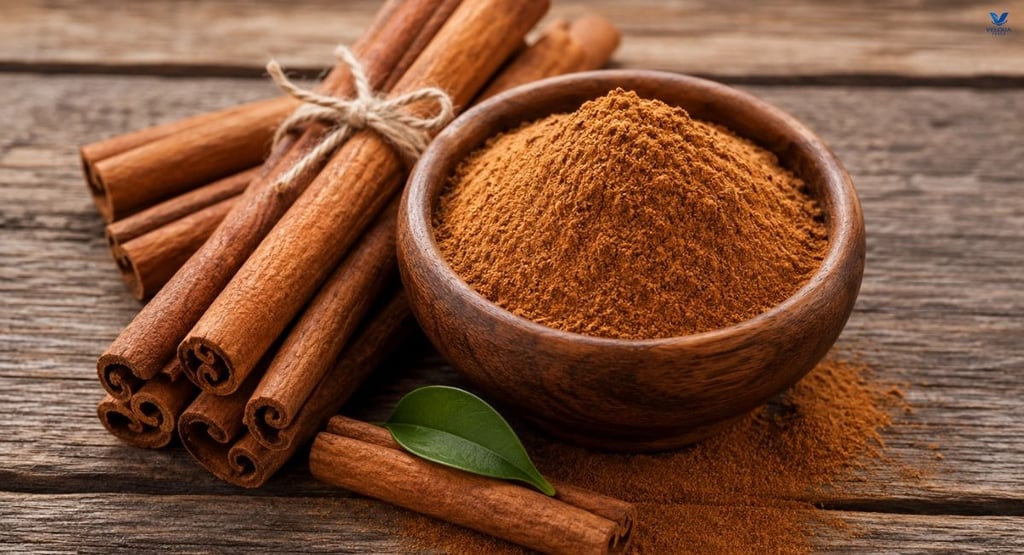
The spice cinnamon comes from the inner bark of evergreen trees from the Cinnamomum family. Once the bark has been harvested, it is allowed to dry out so that it naturally turns into the familiar cinnamon sticks sold in grocery stores. These sticks can be ground into powder form, and cinnamon can easily be incorporated into both sweet and savory dishes.
Cinnamon has been used for centuries in Asia, the Middle East, and Europe for its wonderful flavor, scent, and traditional medicinal properties. It is now one of the most popular spices around the world and is used in desserts, drinks, curries, breakfast cereals, and even savory meat dishes.
In addition to culinary applications, cinnamon is also a rich source of plant compounds that continue to intrigue scientists in their potential health benefits.
Where Does Cinnamon Come From?
The main producers of cinnamon are tropical countries, such as the following:
• Sri Lanka
• Indonesia
• China
• Vietnam
• India
Cinnamon is the inner bark of cinnamon trees. The farmers carefully remove the bark and dry it in the open before grinding it into cinnamon sticks or powder.
The characteristic aroma and taste of cinnamon are due to the presence of cinnamaldehyde, a naturally occurring compound that accounts for most of the biological activities of cinnamon.
Types of Cinnamon
There are a number of different species of cinnamon, but there are two types commonly available.
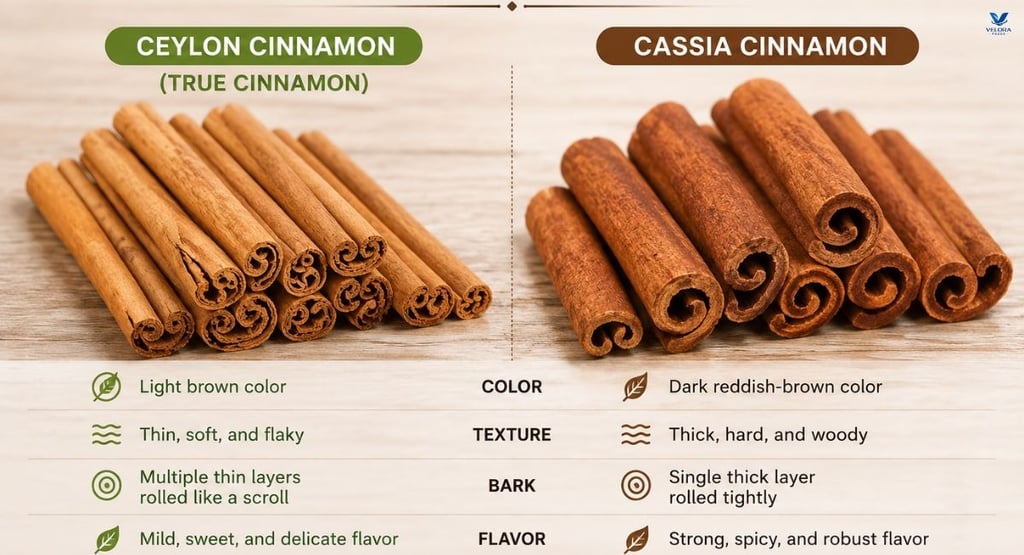
Ceylon Cinnamon (True Cinnamon)
Ceylon cinnamon is also known as “true cinnamon.” It is mostly cultivated in Sri Lanka, and it is lighter, softer, and more mild and sweetly flavored.
One of its major benefits is its low level of coumarin. Coumarin is a natural substance that could be detrimental to the liver if used in high doses over prolonged periods. Ceylon cinnamon is generally considered to be the lesser of the two evils because it has a lower amount of coumarin.
Cassia Cinnamon
The one variety of cinnamon that is available in supermarkets is Cassia cinnamon. It is darker than Ceylon cinnamon, has a more robust taste, and is more affordable.
Cassia cinnamon contains much more of the beneficial plant compounds but also has much higher levels of coumarin. This is why it's advisable to take it in small amounts, particularly those who drink it on a regular basis.

Health benefits of cinnamon in nutrition.
Cinnamon is typically used in small amounts, but it is a good source of essential vitamins and minerals as well as contains a variety of beneficial plant compounds.
Nutritional value per teaspoon (2.6 grams) is approximate:
Calories=6
Carbohydrates=2 g
Dietary Fiber = 1.4 g
Protein=0.1 g
Fat=0.03 g
Calcium = 26 mg
Iron = 0.2 mg
Manganese=0.4 mg
Cinnamon is also rich in certain important bioactive compounds, such as the following:
• Polyphenol antioxidants
• Cinnamaldehyde
• Eugenol
• Flavonoids
• Proanthocyanidins
Some of the compounds found in cinnamon are responsible for the health benefits it is known for.
Foods and nutrients: calories and macronutrients.
Cinnamon contains relatively few carbohydrates and dietary fiber and is naturally low in calories. Uses are small, so they won't drastically increase calorie content.
Vitamins and Minerals
Cinnamon is eaten in small quantities but provides minerals essential for good health, such as
To promote the health of bones and teeth. To keep bones and teeth healthy.
The iron is used to transport oxygen.
Metabolism and enzyme function are affected by manganese.
The high antioxidants are observed as an advantage of the rich source.
Cinnamon's biggest nutritional benefit is its high antioxidant levels.
Antioxidants defend the body's cells against the harmful effects of unstable molecules called free radicals. Aging and multiple chronic diseases have been associated with oxidative stress.
The polyphenols in cinnamon are a considerable part of this antioxidant activity and make cinnamon one of the most powerful antioxidant spices available in the kitchen.
Provides a great amount of manganese
Manganese is a very important mineral that plays a role in the following processes:
• Energy production
• Bone formation
• Wound healing
• Antioxidant defense
• Normal enzyme activity
Just a small amount of cinnamon supplies you with manganese.
15 Health Benefits of Cinnamon
Current studies are investigating the various health benefits of cinnamon. Though there are several areas in which more clinical studies are necessary, there are some compounds in cinnamon that do seem to have some beneficial properties when it comes to overall wellness.
The first 5 evidence-based health benefits are below.
1. High in Powerful Antioxidants
Cinnamon is particularly rich in antioxidants.
Antioxidants neutralize the activity of free radicals, unstable molecules that can inflict damage on the cells and cause chronic diseases and aging. Cinnamon has potent polyphenols, which help to shield the body's tissues from oxidative stress.
Cinnamon has even been listed as one of the most antioxidant spices that can be found.
Potential benefits include the following:
Oxidative damage refers to damage caused by free radicals to cells. Oxidative damage: Free radicals damaging cells.
• Supporting healthy aging
• Reducing oxidative stress
• Supporting overall wellness
2. May have anti-inflammatory properties.
The body's inflammatory response occurs as a natural protection against injury and infection. But chronic inflammation can lead to the development of several chronic diseases.
Studies indicate that the natural compounds in cinnamon have anti-inflammatory effects, which can aid the body's normal inflammatory process.
More human studies are required, but cinnamon could be part of a healthy diet, which could help to improve overall wellness.
Potential benefits include the following:
• Supporting joint health
• Promoting tissue repair
• In addition to its other benefits, this will help control inflammatory processes.
• Supporting long-term health
3. Helps manage blood sugar levels.
Cinnamon is one of the most thoroughly researched benefits of cinnamon, which concerns blood sugar.
Several studies have indicated that cinnamon can help to make the cells more sensitive to insulin and thus help the body to better utilize glucose. It can also inhibit the digestion of carbohydrates, which leads to a slow rise in blood sugar after meals.
Although these are positive results, cinnamon should not be used to replace doctor-prescribed medications or medical advice for managing diabetes.
Potential benefits include the following:
• Supporting insulin sensitivity
• Helping maintain healthy blood sugar levels
• Reducing the spike in blood sugar after eating.
• Supporting metabolic health
4. Promotes Heart Health
A healthy diet, physical activity, and avoiding tobacco use are just some of the lifestyle factors that are important to heart health.
There are some clinical studies that show that cinnamon can aid in maintaining healthy levels of cholesterol and triglycerides in some people. May also help keep blood pressure healthy as part of a healthy lifestyle.
While additional studies are required, cinnamon may be a delicious addition to a heart-healthy diet.
Potential benefits include the following:
• Promoting Healthy Cholesterol Levels
• Helping maintain normal triglycerides
• Supporting healthy circulation
• Promoting cardiovascular wellness
5. May serve to combat harmful bacteria and fungi.
There is an antibacterial and antifungal agent called cinnamaldehyde that has been found in cinnamon in laboratory experiments.
Cinnamon has been shown to have antibacterial and antifungal properties that inhibit the growth of some harmful bacteria and fungi, which makes it a potential area of interest for future studies that may be used in food preservation or oral health products.
Laboratory studies are hopeful, but more human studies are required to support these effects.
Potential benefits include the following:
• Supporting oral health
• Stabilizing the soil and enhancing soil structure
• Promoting research in food preservation.
• Biofeedback practices can help contribute to overall wellness.
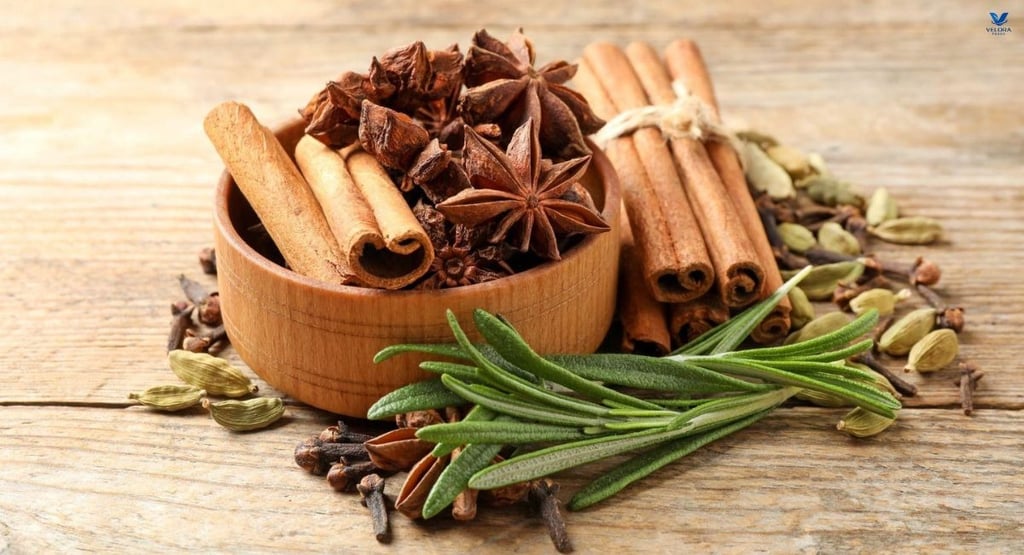

6. Support Brain Health.
Some cinnamon compounds such as cinnamaldehyde and epicatechin have been shown in recent research to act as antioxidants to protect the brain's cells. The compounds have shown beneficial effects in laboratory and animal studies for lowering the accumulation of proteins linked to neurodegenerative diseases like Alzheimer's and Parkinson's. At present, however, more clinical studies in humans are required before one could draw definite conclusions.
Add spices that have antioxidants, such as cinnamon, to a healthy diet—these can help with long-term brain health.
Potential benefits include the following:
• Aim to enhance memory and learning. Strive to improve memory and learning.
• Oxidative damage to nerve cells is prevented.
• Supporting healthy cognitive function
• Protecting the brain from degeneration and damage
7. May Improve Digestive Health
Cinnamon has been used for centuries in traditional medicine as a digestive tonic for digestive discomfort. May help to normalize digestion and reduce mild bloating, gas, and indigestion.
In addition, its natural ingredients could help promote a healthy balance of microorganisms in the gut.
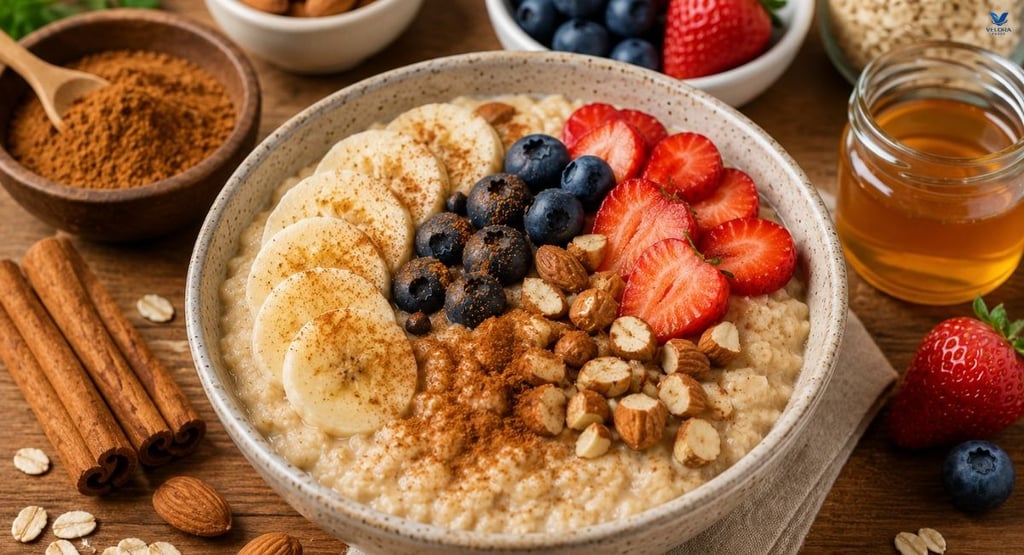
For assistance in digestion, you can add cinnamon to oatmeal, yogurt, fruit, or herbal tea.
Potential benefits include the following:
• Supporting normal digestion
• Helping reduce bloating
• Promoting gut comfort
• Supporting digestive wellness
8. The immune system is supported. The immune system is supported.
Good health and a strong immune system rely on a healthy lifestyle, exercise, quality sleep, and adequate nutrition. Cinnamon adds beneficial antioxidants that can guard the cells in the body from oxidative damage.
The naturally occurring compounds of it may also help maintain the body's normal inflammatory response, a key element in immune function.
Cinnamon does not cure or prevent infections, but it may be a good supplement to an immune-supportive diet.
Potential benefits include the following:
• Supporting immune function
• Providing antioxidant protection
• Supporting the healthy cells
• Supporting overall wellness
9. May Help with Weight Management
People have often asked themselves if they can get rid of weight with cinnamon. Cinnamon is not a weight loss product per se, but it can help maintain a healthy diet.
Cinnamon is naturally sweet, so it may help to diminish the need for extra sugar in food and drinks. This can help to reduce calorie consumption when taken in conjunction with a healthy eating plan and exercise.
Cinnamon can be added to oatmeal, yogurt, smoothies, or coffee to boost flavor for a little added sweetness.
Potential benefits include the following:
• Supports weight loss goals
• Promoting healthy eating habits
• Carefully adding flavor to the dish without extra calories
• Additional benefits include helping you maintain your weight loss.
10. May help healthy skin.
A healthy diet, proper water intake, and avoiding overexposure to the sun are all essential for healthy skin. Cinnamon contains antioxidants that can potentially help to prevent oxidative damage to skin cells.
Concentrated cinnamon can irritate the skin and should not be used on the skin directly but is occasionally used in homemade skin care treatments.
It's best to reap its benefits through a balanced diet.
Potential benefits include the following:
• Promoting healthy skin cells
• This can help prevent oxidative stress.
• Nourishing collagen production and good nutrition.
11. Freshens Breath Naturally
Cinnamon is sweetly scented and contains natural active ingredients that can help to lower some of the bacteria in the mouth that causes odor. So it's frequently found in chewing gum, toothpaste, and mouthwash.
Brushing, flossing, and other oral hygiene measures are still necessary for keeping breath fresh, as well as going to the dentist regularly.
Potential benefits include the following:
• Helping freshen breath
• Supporting oral hygiene
• Getting rid of bad breath
12. May Support Metabolic Health
The body's metabolism is healthy if it can efficiently turn food into energy. Some studies indicate that cinnamon could have a positive effect on glucose metabolism and insulin sensitivity, particularly important factors related to metabolic health.
While additional studies are required, cinnamon can be used in combination with other healthy lifestyle choices, like regular exercise and healthy eating.
Potential benefits include the following:
• Supporting healthy metabolism
• Regulating energy use
• Helps maintain blood sugar levels
13. Complements Flavor Without Added Sugar
Among the most basic but effective uses of cinnamon is that it can make anything sweeter without using sugar.
Using cinnamon in place of sugar in drinks and recipes will decrease intake of added sugar without sacrificing taste.
Consider adding cinnamon to the following:
• Coffee
• Tea
• Oatmeal
• Smoothies
• Yogurt
• Apples
• Pears
• Baked sweet potatoes
14. Simple to add to your regular diet.
Cinnamon is easy to find, low cost, and an ingredient that can be added to meals all of the time.
Here are some easy methods to use cinnamon:
• Sprinkle over oatmeal
• Pepper and stir into overnight oats. Sprinkle into overnight oats.
• Blend into smoothies
• Mix into yogurt
• Add to coffee or tea
• Add to homemade granola
• Add to soups and curries.
• Season roasted vegetables
You can enjoy its taste and health benefits with regular use at a normal level.
15. Supports Overall Wellness
There are no magic foods that can ensure optimal health. But healthy lifestyle measures combined with food and spices containing nutrients such as cinnamon can be a part of overall well-being.
Eating a diet rich in fruits, vegetables, whole grains, lean proteins, healthful fats, and spices, such as cinnamon, could be helpful for long-term health.
What is the amount of cinnamon that is safe to take per day?
Cinnamon is considered safe to use in normal quantities used in food.
Recommended Intake
Most people can safely have about ½ to 1 teaspoon (2-4 grams) of cinnamon a day in a healthy diet.
Ceylon vs. Cassia Cinnamon
For long-term use, Ceylon cinnamon is preferred since it has a much lower amount of coumarin than Cassia cinnamon.
Cinnamon should not be used as a supplement by people suffering from liver disease, individuals who are taking blood-thinning medications, or people who use diabetes medications, as these people should seek medical advice before using cinnamon.
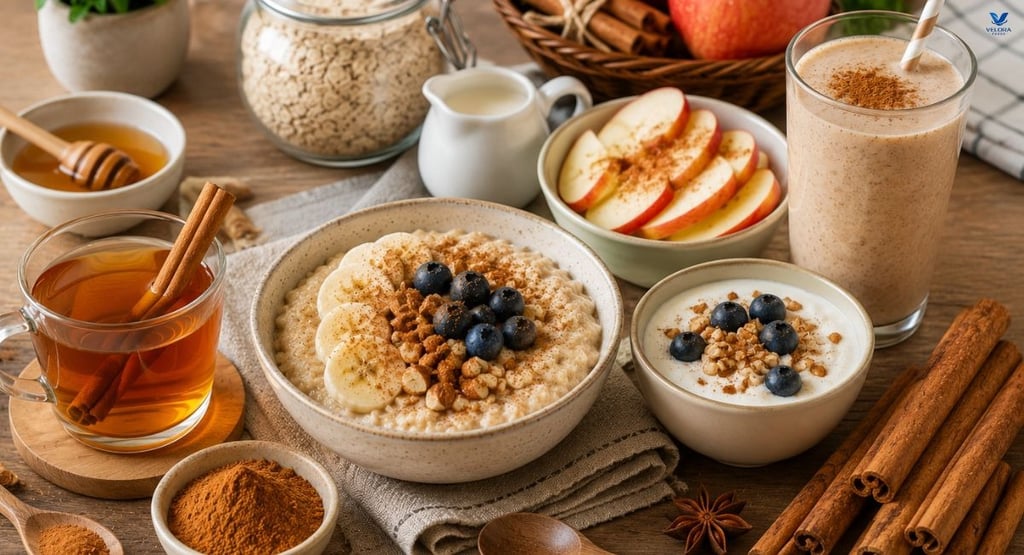
Best Ways to Add Cinnamon to Your Diet
It's great to use on oatmeal!
Incorporates flavor, sweetness, and antioxidants into breakfast.
Mix It into Smoothies
Complements bananas, apples, berries, and yogurt.
Make cinnamon tea.
Place a cinnamon stick in hot water for 5–10 minutes to create a naturally flavorful drink.
Add It to Coffee
Just a little pinch brings out the flavor without adding sugar.
Use It in Baking
Great for muffins, pancakes, breads, and healthy desserts.
Sproinkle It on Fresh Fruit
Use it with apples, pears, peaches or bananas as a healthy snack

The side effects of cinnamon may be possible, if any. Cinnamon may have side effects that are possible if present.
Cinnamon is safe when used in normal quantities, but not so safe when consumed in large amounts.
Liver Concerns
Cassia cinnamon has a higher concentration of coumarin in large amounts; this could have a detrimental impact on liver health in some people.
Allergic Reactions
A few individuals might have mouth irritation or allergic reactions after eating cinnamon.
Medication Interactions
Cinnamon can interact with certain diabetes, blood pressure, and blood clotting medications when taken in high doses.
Pregnancy
Cinnamon is generally safe for use as a spice in pregnancy. But pregnant women are advised to talk to their health care provider before using cinnamon supplements.
Commonly Asked Questions (FAQs)
Does cinnamon aid in weight loss?
Cinnamon can help keep you on track for a healthy diet in that it can lessen the desire for extra sugar, but it is not a weight-loss medicine.
Can I eat cinnamon every day?
Yes. Culinary doses of cinnamon are fine for most healthy adults in their everyday diet.
Which cinnamon is healthier?
Ceylon cinnamon is the safer choice for everyday use as it has significantly less coumarin.
Is cinnamon effective for reducing blood sugar?
Cinnamon has been shown to have a few health benefits, including aiding blood sugar; however, this is not a replacement for medical treatment or medications.
Is cinnamon safe for children?
In normal doses, cinnamon is safe for children. Do not use in excess or as supplements unless directed by a health care provider.
Conclusion
Cinnamon is much more than a flavorful kitchen spice. It contains antioxidants and other useful plant substances that could help maintain good health, normal blood sugar levels, normal digestive function, immune health, and heart health. Although the research is ongoing, there are some benefits for cinnamon, and it can be used as a part of a balanced diet.
Ceylon cinnamon is the preferred cinnamon for regular use, as it has less coumarin present in it than Cassia cinnamon. Keep in mind that cinnamon is no magic bullet for a healthy lifestyle—it needs to be used in addition to a well-balanced diet, exercise, adequate sleep, and medical care.
By incorporating cinnamon into your daily meals in moderation, you can enjoy both its delicious flavor and its potential health benefits.
Reference
American Diabetes Association. (2025). Standards of Care in Diabetes.
Academy of Nutrition and Dietetics. (2022). Food and Nutrition Information.
Harvard T.H. Chan School of Public Health. The Nutrition Source: Herbs and Spices.
National Institutes of Health. Office of Dietary Supplements.
World Health Organization. Healthy Diet Guidance.
Velora Foods
Healthy eating guides, drink information, and recipes inspired by food traditions from around the world.
Explore
Get in Touch
Velorafoods0@gmail.com
+92 316 063 7537
Sadiqabad, Punjab, Pakistan
© 2026 Velora Foods—Practical nutrition tools, healthy eating resources, and kitchen tips.
HEALTHY EATING & FOOD GUIDES