Healthy Food: A Complete Guide to Eating Well Every Day
Discover the benefits of healthy food, essential nutrients, the healthiest foods to eat, and practical tips for building a balanced diet for a healthier lifestyle.
HEALTHY EATING
M S ISHAQ
7/7/202610 min read
Good nutrition is the first step towards health. They are the nutrients that your body requires to function and to promote health and vitality, strengthens immunity, support physical and mental health, and build up healthy organs from the foods you eat. Eating a healthy diet doesn't require a lot of tricks or anything special—it's about selecting healthy foods in the correct proportions.
You have a purpose for your healthy eating, whether it's to manage your weight, promote heart health, boost your energy level, or prevent disease; it's best to make healthy eating a habit. Eat foods that are rich in fiber, vitamins, minerals, and protein and low in saturated fat, sugar, and salt.
This guide takes you on a journey to learning all about healthy food, from the key nutrients to the healthiest foods for your meals.
What is Healthy Food?
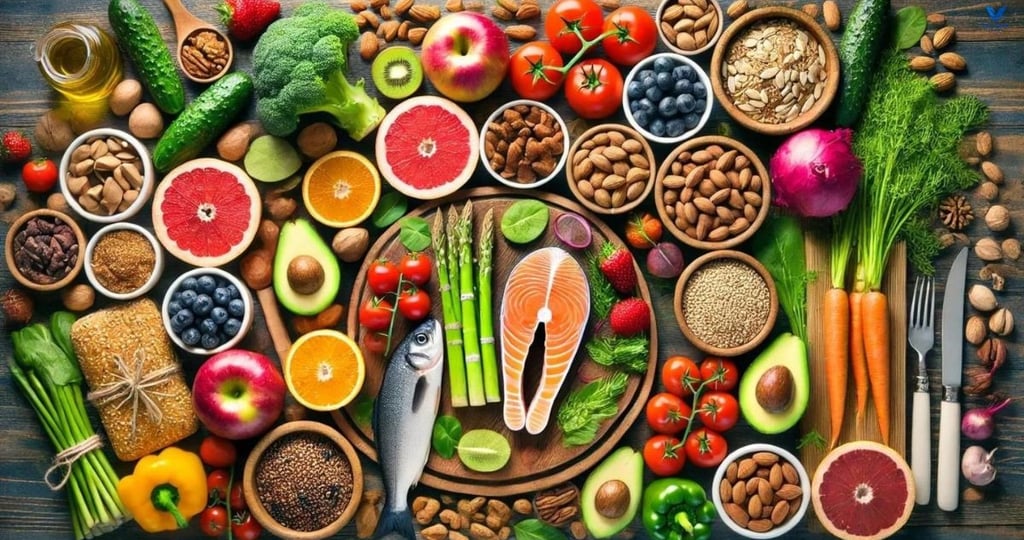
Healthy food is food that provides all the nutrients your body needs, but is low in excess amounts of sugar, unhealthy fats and sodium. These foods can make your body run smoothly and decrease the likelihood of chronic diseases.
A healthy diet consists of foods from a variety of different food groups, providing your body with the nutrients it requires on a daily basis.
Characteristics of Healthy Food
Healthy foods are generally:
Treating species as the clues to their own survival, they are rich in vitamins and minerals.
High in fibre for dietary fibre.
It has a natural low sugar content.
• Low in unhealthy fats
• Rich in antioxidants
• Minimally processed
• Nutrient-dense
These include fresh fruits and vegetables, whole grains, fish, poultry, eggs, legumes, nuts, seeds and low-fat dairy products.
Why Variety Is Important
No one food is rich in all the vitamins and minerals required for optimal health. As a variety of healthy foods are eaten, you will get all of the different nutrients (vitamins, minerals, healthy fats, proteins, and carbohydrates).
A colorful plate is a meal that will likely be filled with nutrients, as each different colored fruit and vegetable will have different beneficial plant compounds.

Why Healthy Food Matters
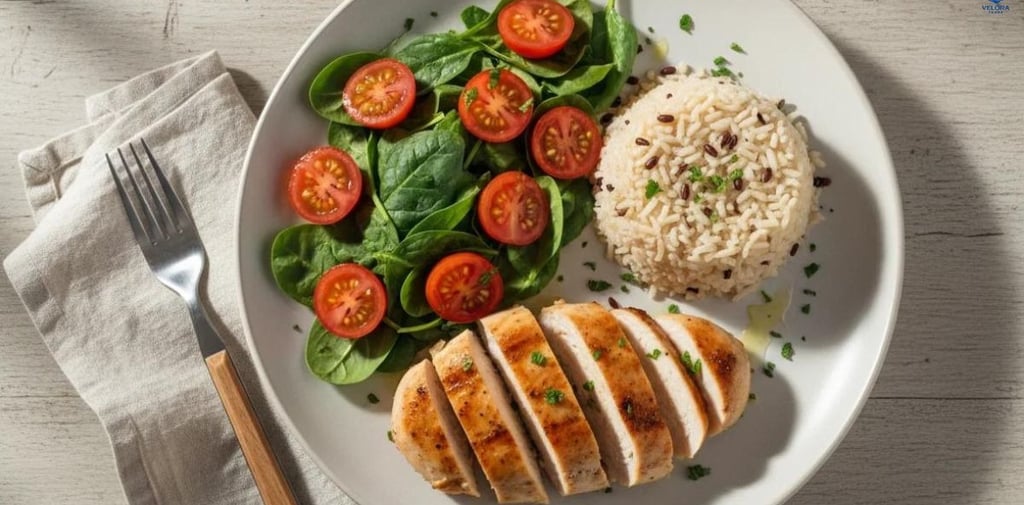
Good nutrition helps most of the things that your body does. What you eat can help you become more energetic, focus better on your work, digest better, improve your heart health, and strengthen your immunity.
Supports Heart Health
Heart-healthy foods like salmon, oats, berries, olive oil, and leafy greens will keep cholesterol levels in check and help support good blood pressure.
Helps Maintain a Healthy Weight
Whole foods are high in fiber and protein, which will make you feel full for longer, hence less snacking.
Help the child to provide long-lasting energy.
Oats, quinoa, and brown rice are examples of complex carbohydrates that will release energy slowly so that you will keep going throughout the day.
Improves immunity
Vitamins C, A, and E and many of the antioxidants found in fruits and vegetables support your immune system and help keep you healthy.
Supports Brain Health
Omega-3-rich foods, antioxidants, and healthy fats are associated with better concentration, memory, and cognition.
Improves Digestion
Fruits, vegetables, legumes, and whole grains provide fiber that aids in healthy digestion and a healthy gut microbiome.
Gives information about how to maintain healthy skin
Glowing skin comes from healthy fats, vitamins, and antioxidants that fend off oxidative stress on cells.
The necessary nutrients that your body requires
There are six nutrients that your body needs to stay healthy.
Protein
Protein is used to build muscle, repair tissue, provide enzymes, and support immune function.
A healthy protein source consists of:
• Chicken breast
• Turkey
• Fish
• Eggs
• Lentils
• Beans
• Greek yogurt
• Cottage cheese
• Tofu
Aim to consume protein in all three meals to support and preserve muscle tissue and promote fullness.
Healthy Carbohydrates
Your body's main source of energy is carbohydrates.
Eat complex carbohydrates like
• Brown rice
• Oats
• Quinoa
• Whole wheat bread
• Sweet potatoes
• Whole-grain pasta
Whole grains are healthier than refined grains because they have less fiber and nutrients.
Healthy Fats
Good fats nourish the brain, hormones, and assimilation of nutrients.
Excellent sources include:
• Avocados
• Olive oil
• Almonds
• Walnuts
• Chia seeds
• Flaxseeds
• Salmon
Healthy fats should be eaten in moderation as part of a well-balanced diet.
Vitamins and Minerals
There are hundreds of body functions that require the help of micronutrients.
Key nutrients include the following:
• Vitamin C
• Vitamin D
• Calcium
• Iron
• Potassium
• Magnesium
• Zinc
Dietary diversity is achieved through a diet of a variety of fruits and vegetables.
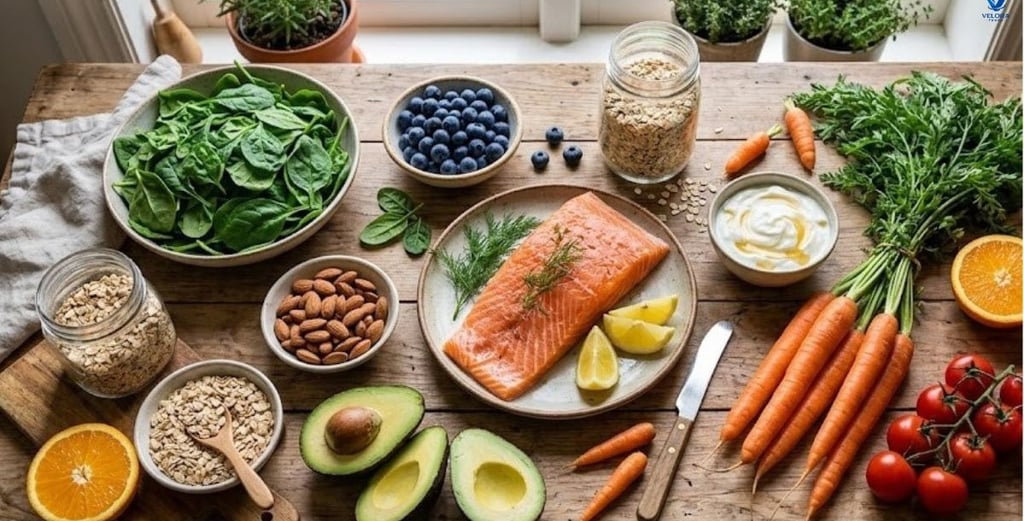
Healthy Eating: Best Foods to Eat
While many foods have great nutritional value, some foods are outstanding due to their exceptionally high nutrient density.
Younger vegetables such as leafy green vegetables .
Leafy greens like spinach, kale, lettuce and swiss chard are rich in vitamins A, C and K, iron, calcium and antioxidants.
These are low calorie vegetables with a lot of nutritional benefits.
Fatty Fish
Salmon, trout, sardines and mackerel are good sources of omega 3's, which are fatty acids that promote good health for the heart and brain.
Eat fatty fish twice a week, if possible.
Berries
The antioxidants in berries like blueberries, strawberries, raspberries and blackberries are potent and they help to shield cells from harm.
They are also a naturally sweet, but not too high in calories.
Eggs
Eggs are a great, cheap protein source with vitamins, minerals and choline, which is a critical nutrient for brain health.
Greek Yogurt
Greek yoghurt is a source of protein, calcium and probiotics, all of which contribute to digestive health and strong bones.
Opt for plain varieties, with as little added sugar as possible, for the highest health benefits.
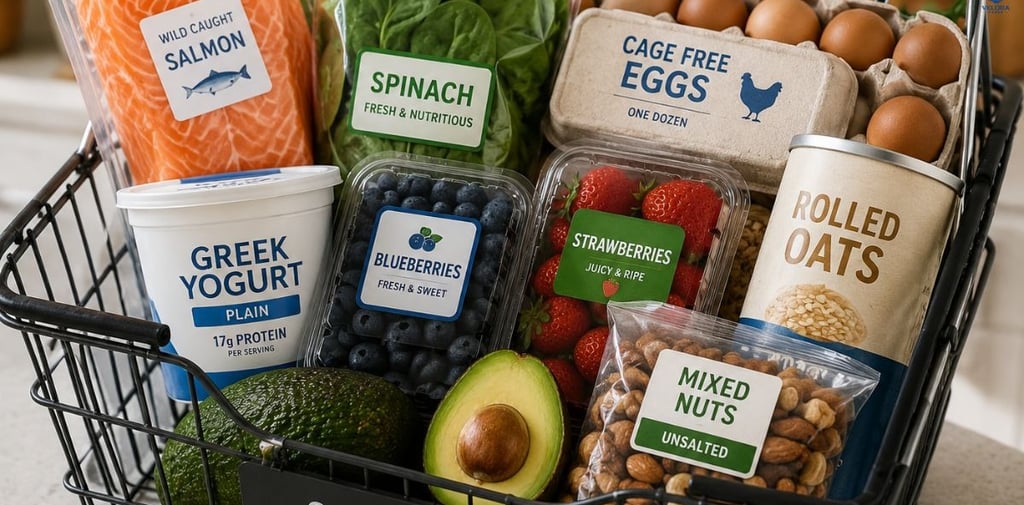
Healthy Fruits You Should Eat Regularly
Fresh fruits provide naturally high levels of vitamins, minerals, antioxidants, water and dietary fibre.
Best Fruits for Everyday Health
The healthiest fruits are:
• Apples
• Bananas
• Oranges
• Blueberries
• Strawberries
• Kiwi
• Grapes
• Pineapple
• Mango
• Watermelon
Every fruit has its own special nutrient(s) to provide. Citrus fruits are a great source of Vitamin C, bananas are a great source of potassium, and berries are a great source of antioxidants that are beneficial to the health of your heart and brain.
Whenever available, eat whole fruit rather than fruit juice to get more fiber and fewer added sugars.
Nutritious Vegetables
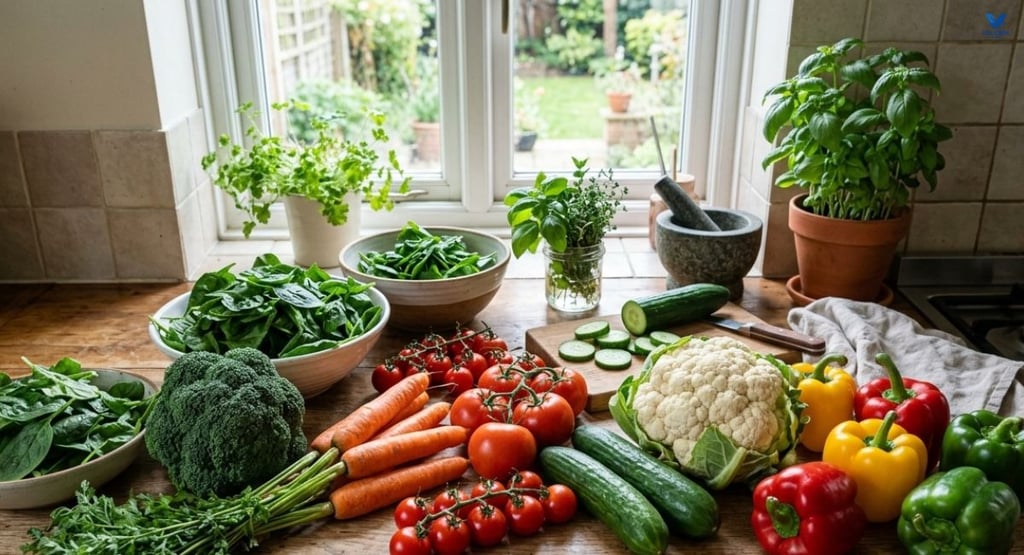
One of the healthiest foods you can add to your meals every day is vegetables. They are low in calories, high in vitamin, minerals, antioxidants and dietary fiber. Consuming a diverse range of vegetables daily can boost your immune system, heart health, gut and overall wellness.
At least half of your plate should consist of vegetables during lunchtime and dinner time, according to health experts. Eating a variety of colors makes it possible for your body to get all essential nutrients.
Best Vegetables for a Healthy Diet
The healthiest vegetables are:
• Broccoli
• Spinach
• Kale
• Carrots
• Bell peppers
• Tomatoes
• Sweet potatoes
• Cauliflower
• Brussels sprouts
• Cucumbers
High in vitamin C and fiber, broccoli has beta-carotene to help keep eyesight healthy. Spinach has a lot of iron, magnesium and folate that can be added to salads, smoothies and cooked foods.
Lean Protein Sources
Protein plays a vital role in muscle growth, repair of body tissues, hormone production and immune system health. Add lean protein at each meal to help keep you full and build muscle mass.
The best lean protein foods are those that are lower in fat.
Select foods that are high in protein like:
• Skinless chicken breast
• Turkey
• Salmon
• Tuna
• Eggs
• Greek yogurt
• Cottage cheese
• Lentils
• Chickpeas
• Black beans
• Tofu
Beans, lentils, and other plant proteins are great options since they're also rich in dietary fiber and other minerals.
Whole Grains and Healthy Carbohydrates
Carbohydrate is the preferred source of energy for your body. The trick is to avoid refined carbohydrates and opt for whole grains.
Whole grain foods are higher in fibre, vitamins and minerals because they contain everything in the grain.
Healthy Whole Grain Options
Include foods like:
• Brown rice
• Oats
• Quinoa
• Whole wheat bread
• Whole wheat pasta
• Barley
• Millet
Substituting refined grains for whole grains can help keep energy levels steady and promote healthy digestion.
Healthy Fats
Fats that are good for the body are essential for the brain, the production of hormones and fat-soluble vitamins.
Including healthy sources of fat
Eat foods like:
• Avocados
• Olive oil
• Almonds
• Walnuts
• Pistachios
• Chia seeds
• Flaxseeds
• Pumpkin seeds
• Fatty fish
While healthy fats are healthy, but they are calorie dense so use them in moderation.
Foods to Limit
There's no need to eliminate all the treats, but reducing highly processed food can contribute significantly to a healthy diet.
Foods to Eat Less Often
Avoid over consuming:
• Sugary soft drinks
• Candy and sweets
• Deep-fried foods
• Processed meats
• White bread
• Pastries
• Packaged snacks
• Excess sodium
Trans fat containing foods
Consider these treats as special foods, not regular foods.
Create a Balanced Plate
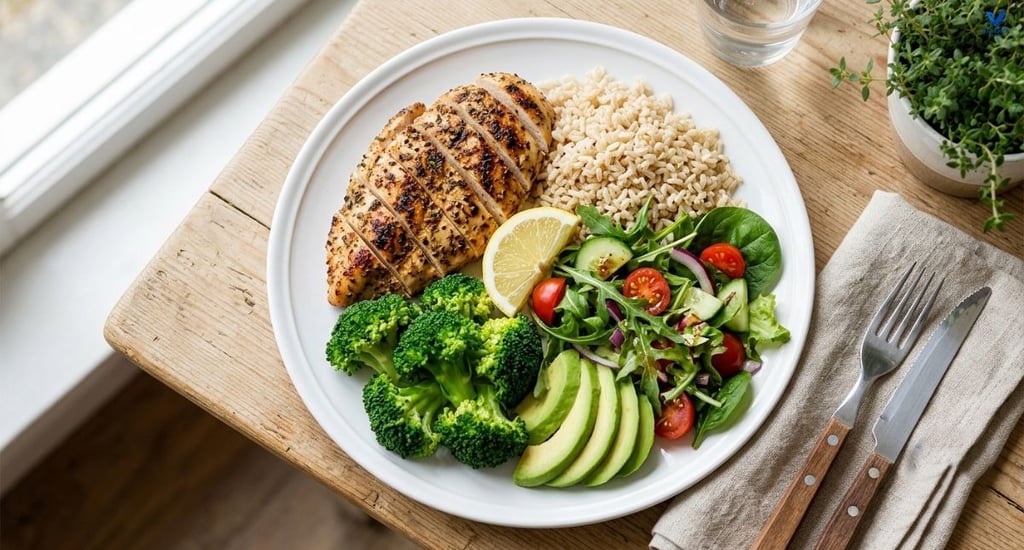
One of the easiest ways to eat healthier is by following the balanced plate method.
Simple Plate Guide
• 50% Vegetables and fruits
• 25% Lean protein
• 25% Whole grains
• Small amount of healthy fats
Drink lots of water!
This is a balanced approach that gives you the nutrients your body requires and assists you to pay attention to portion control.

Enhancing healthy breakfast options.
Healthy Breakfast Ideas
Breakfast is a healthy meal to begin the day.
Easy Healthy Breakfast Options
Oatmeal topped with almonds, berries.
Fresh fruit on top of greek yogurt
Add one avocado to whole grain toast.Spread one avocado on whole grain toast.
• Vegetable omelet
Smoothie made of spinach, banana, yogurt and berries.
A healthy breakfast should be a balanced meal of protein, healthy carbohydrates and healthy fats.
Healthy Lunch Ideas
Lunch will give you the energy you need for the rest of the day.
Healthy Lunch Suggestions
• Grilled chicken salad
• Quinoa vegetable bowl
Choose whole-grain bread to make a Turkey sandwich.
• Lentil soup
Grilled fish and brown rice.Brown rice and grilled fish.
• Chickpea salad
Colorful vegetables not only add color to the dish but also provide additional nutrition and flavor.
Healthy Dinner Ideas
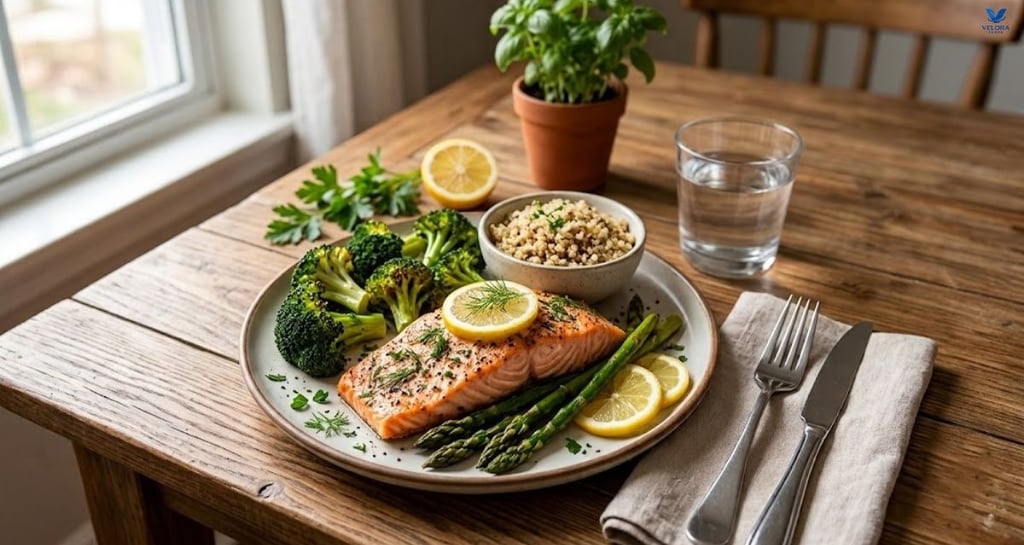
A meal is an excellent way to add lean protein and lots of vegetables.
Healthy Dinner Recipes
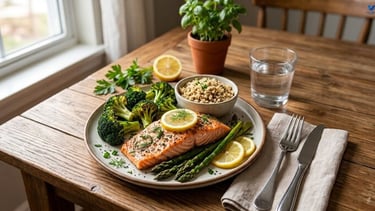
Baked salmon & roasted vegetables
Grilled chicken with quinoa
Including turkey meatballs paired with whole wheat pasta.Turkey meatballs served with whole wheat pasta.
Cook vegetables in the pan with tofu
Grilling shrimp and brown rice.Shrimp and brown rice grilled.
• Lentil and vegetable curry
Avoid deep frying as much as possible and use baking, grilling, steaming or roasting.
Healthy Snack Ideas
They can be used to keep energy up and to prevent overeating between meals, provided they are healthy snacks.
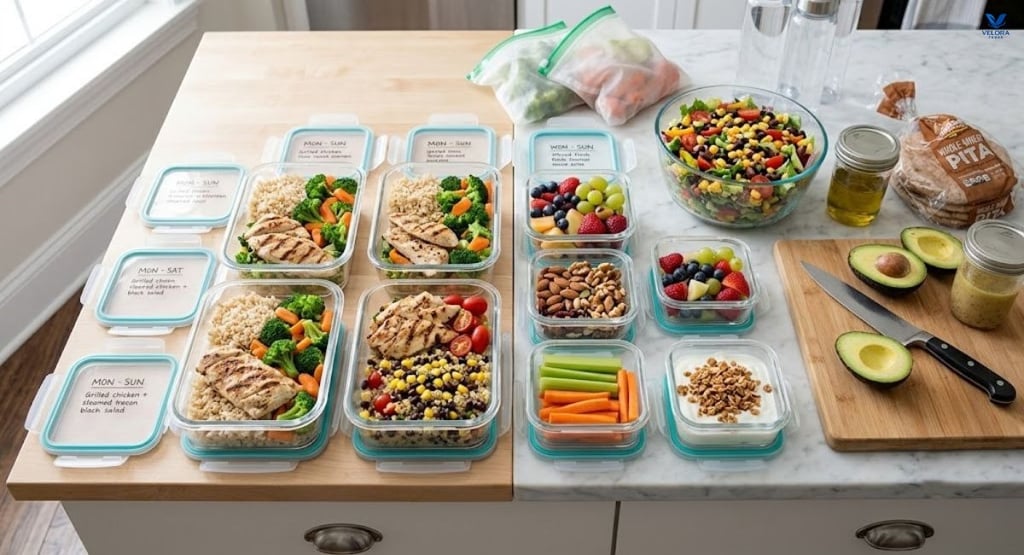
A healthy snack program
Slice apples and top them with peanut butter.Slice apples and dip in peanut butter.
• Mixed nuts
• Fresh berries
• Greek yogurt
• Cottage cheese
Rice crackers and dip or hummus with carrots sticks.
• Roasted chickpeas
• Homemade trail mix
Select snacks with protein and fibre for their fullness.
Simple Healthy Eating Tips
Making healthy habits a change doesn't need to be drastic.
Practical Tips for Everyday Success
Drink plenty of water: 2-3 litres a day.
Increase consumption of fruits and vegetables.
Use whole grains when selecting grains.
Make sure to have protein at every meal.
• Reduce added sugar.
• Read nutrition labels.
• Practice portion control.
Increase home cooking.
Slow and thoughtfully eat.
• Stay physically active.
Coherence is essential to sustainable success.
Common myths about healthy food.
Healthy eating can be perceived as harder than it is because of many misconceptions.
Myth 1: Healthy Food Is Too Expensive
Even healthy food like oats, beans, eggs, frozen fruits and vegetables, and seasonal fruits are also inexpensive and readily available.
Myth 2: Carbohydrates are bad
Healthy carbohydrates in the form of whole grains, fruits, and vegetables are sources of energy for your body and dietary fiber.
Myth #3: Fat Should Be Avoided
Nuts, seeds, olive oil, avocados, and fish are all great sources of healthy fats that are vital to good health.
Myth #4: HEALTHY FOOD = BORING.
Healthy food can taste great when it's flavored with herbs and spices, prepared using a variety of cooking styles and methods, and made from fresh ingredients.
Frequent questions
Which food is the best option to eat daily?
There is no perfect food. The healthiest way to eat is to have a balanced diet containing fruits, vegetables, lean meat/protein, whole grains, and healthy fats.
What is the correct amount of water to drink each day?
The recommendation for adults is around 2-3 liters of water per day depending on level of activity and climate.
So is healthy eating good for weight loss?
Yes. Foods that are nutrient-rich but not too high in calories can help maintain a healthy and sustainable weight.
Is a balanced diet a good source of energy?
Yes. Foods that contain complex carbohydrates, protein, and healthy fats will give you energy throughout the day.
Is it good to eat frozen vegetables?
Yes. Frozen vegetables may be harvested at peak freshness and contain more of their nutrients than conventional, fresh vegetables.
Final Thoughts
Eating a healthy diet is not just about not eating all your favorite foods or being on a strict diet. Rather, it's about making well-balanced and informed decisions to feed your body and nourish your long-term health.
Incorporate fruits, vegetables, whole grains, lean protein, and healthy fats into your daily meals and snacks to boost your energy, strengthen your immune system, support heart health, and lower your chance of chronic diseases.
Making small changes may result in significant improvements over time, including drinking more water, eating an additional serving of vegetables, or swapping out processed snacks for fresh fruit. It's important to remember that consistency is key, rather than perfection.
The last image is the culmination of the piece. The final image is an image that comes before the end.
A happy family enjoying a healthy homemade dinner together around a modern dining table: fish on the grill, colorful vegetables, whole grains, fresh fruit, and water.
Conclusion
Eating healthy is among the most effective ways to enhance your lifestyle. Each healthy meal helps to nourish your body, energize your mind, and lay the groundwork for future health.
A healthy diet rich in whole, nutrient-dense foods can help you reach your desired results, whether you're looking to maintain a healthy weight, boost your energy levels, enhance your athletic performance, or simply feel your best. Take small steps, make them manageable, be consistent, and have fun on the way to a healthier, happier lifestyle.
Velora Foods
Healthy eating guides, drink information, and recipes inspired by food traditions from around the world.
Explore
Get in Touch
Velorafoods0@gmail.com
+92 316 063 7537
Sadiqabad, Punjab, Pakistan
© 2026 Velora Foods—Practical nutrition tools, healthy eating resources, and kitchen tips.
HEALTHY EATING & FOOD GUIDES