Mediterranean Diet for Beginners: Complete Guide to Healthy Eating
Discover the Mediterranean diet for beginners with healthy foods, meal ideas, benefits, shopping tips, and simple ways to create balanced daily meals.
HEALTHY EATING
M S ISHAQ
7/11/20267 min read
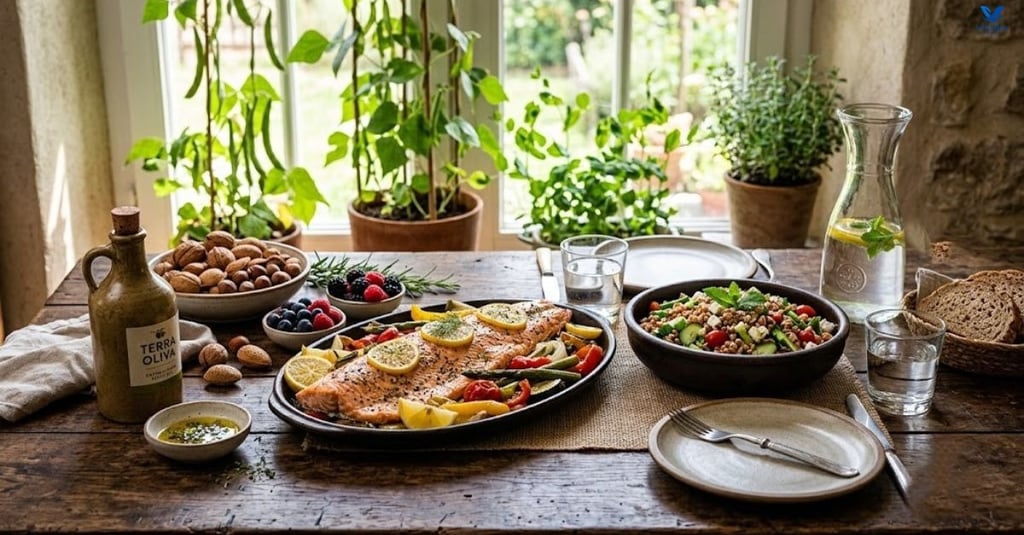

The Mediterranean diet is among the most well-balanced and popular diets worldwide. It is based on the traditional Mediterranean diets of the countries around the Mediterranean—Italy, Spain, and Greece—and emphasizes fresh vegetables, fruits, whole grains, legumes, nuts, seeds, seafood, and healthy fats. This lifestyle is not about eliminating whole food groups; it's about eating a variety of foods in moderation and choosing foods that will benefit you in the long run.
The Mediterranean diet is not a fad diet; it is a diet that is enjoyable, flexible, and easy to follow. It doesn't need high-priced supplements or complicated meal plans. Rather, it focuses on simple and healthy ingredients that can be added to regular meals. Its balanced approach makes it a recommended way to boost the overall nutritional quality of a diet and is often used as a sustainable solution to nutrition.
The Mediterranean diet is a practical solution that can be adapted to suit a variety of lifestyles and can be followed for several reasons, including changing eating habits, maintaining good health, and supporting heart health.
What Is the Mediterranean Diet?
The Mediterranean diet is a traditional diet of Mediterranean countries. It does not advocate for calorie counting or rigid guidelines on eating certain foods; rather, it promotes foods that contain vitamins, minerals, dietary fiber, healthy fats, and plant-based compounds.
The principles of this eating plan are:
• Fresh vegetables and fruits
• Whole grains
• Beans and legumes
• Nuts and seeds
• The oil in its original virgin state is called extra virgin olive oil.
• Fish and seafood
• Herbs and spices
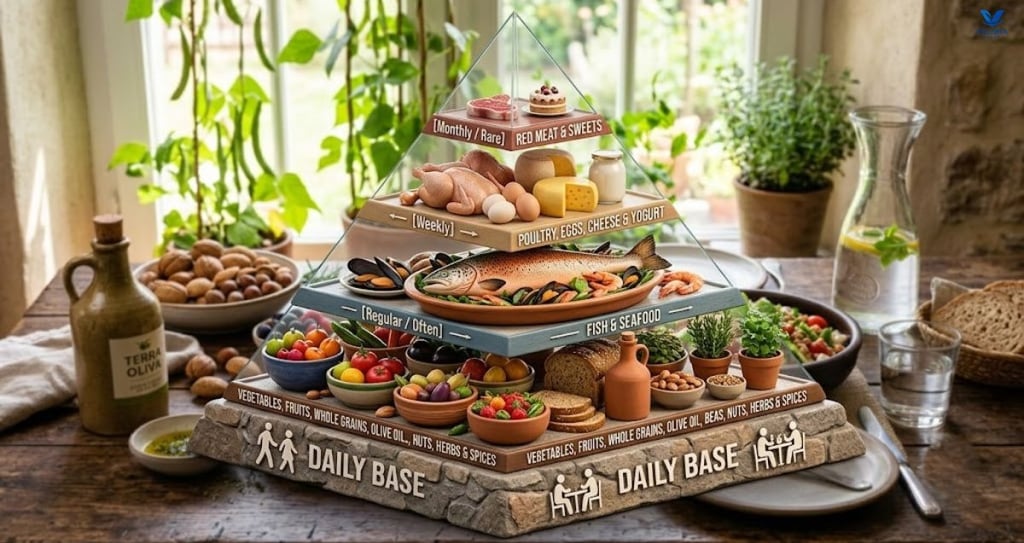
Limited intake of highly processed snacks, sugary drinks, refined grains, and too much red meat. The aim is to create well-balanced meals with fresh food and taste food in moderation.
The other quality that is essential to the Mediterranean lifestyle is conscious eating. Frequent sharing of meals with family and friends, with regular physical activity being an integral part of daily life.
The introduction of the Mediterranean Diet
In the following years, the Mediterranean diet became known all over the world when people in the Mediterranean region, including Greece and Southern Italy, had a lower incidence of chronic diseases and lived longer. They were eating a diet based on vegetables, legumes, seafood, olive oil, fruits, and whole grains, a natural, nutrient-rich diet that is still recommended by health nutritionists today.
Core principles of the Mediterranean Diet
The Mediterranean diet is not complicated, and healthy eating is easy and sustainable, according to the following simple rules:
• Eat a variety of vegetables and fruits every day.
• Opt for whole-grain over refined-grain products.
• Cook with extra virgin olive oil.
• Regularly incorporate beans, lentils, and chickpeas.
• Consume fish and seafood a few times per week.
• Reduce processed foods, sugary beverages, and highly processed snacks.
• Be physically active, and take time to eat slowly with others as much as possible.

Why is the Mediterranean diet so popular?
The main reason why the Mediterranean diet is so popular is that it is flexible. Unlike restrictive diets, it gives people the freedom to eat a diverse range of healthy foods without compromising on their diet. This makes it easier to follow up in the long term.
Nutrient-Rich Foods
The Mediterranean diet foods are packed with numerous nutrients such as vitamins, minerals, antioxidants, good fats, and dietary fiber. These nutrients support a balanced diet for good health and well-being.
Easy to Follow
The ingredients of the Mediterranean diet are easily found in the supermarket, and they are not expensive. Implementing a healthy diet is simple, as fresh vegetables, seasonal fruit, beans, yogurt, whole grains, seafood, nuts, and olive oil can easily be a part of daily breakfasts, lunches, and dinners without requiring a special product.
Tasty and Fulfilling
One of the Mediterranean diet's best features is its flavor. Meals are flavored with garlic, herbs, spices, lemon juice, and extra virgin olive oil instead of using too much salt or sugar or processed sauces. This produces pleasing dishes, which are both nutritious and delicious.
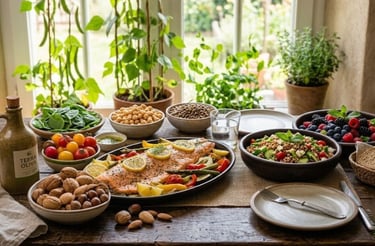
The key foods of the Mediterranean diet are
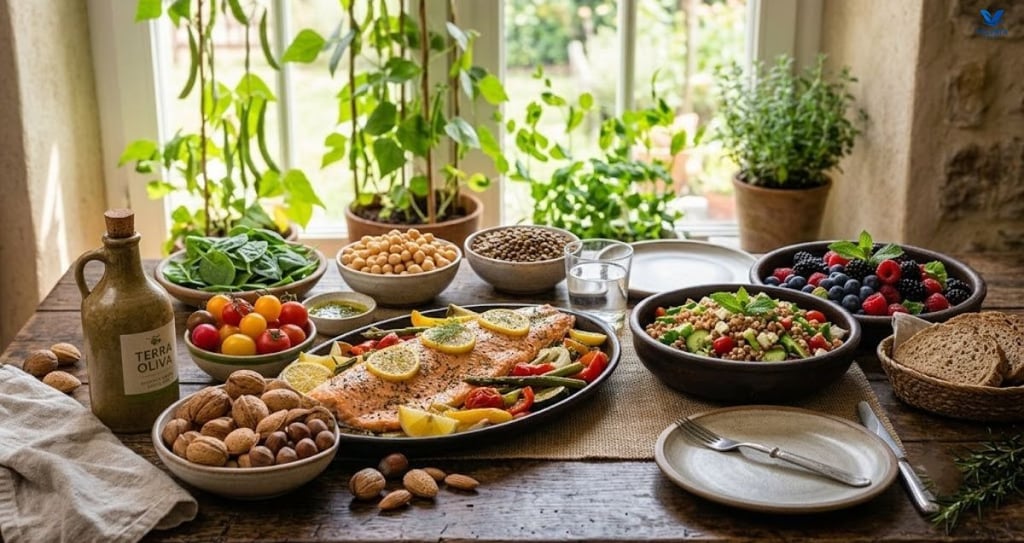
Plenty of good foods are part of the Mediterranean diet, and they're rich in nutrients and can give life to every meal.
(Extra) Virgin Olive Oil
The primary diet of the Mediterranean is extra virgin olive oil. It is rich in unsaturated fat, which makes it a good addition to meals; is often used to cook and make salad dressings; and is used for dipping bread.
Leafy Greens
Vitamin A, Vitamin C, Vitamin K, and dietary fiber are important nutrients found in vegetables like spinach, kale, lettuce, Swiss chard, and arugula, which are essential for diets every day.
Tomatoes
Tomatoes are a common ingredient in Italian dishes. They can be added raw to salads or used as a healthy addition to soups, sauces, and vegetable stir-fries.
Legumes
Edible beans, lentils, peas, and chickpeas are great plant proteins. They're often added to soups, stews, salads, and grain bowls.
Whole Grains
Whole grains like brown rice, oats, quinoa, barley, and whole-grain breads can give long-lasting energy-giving foods and are rich in B vitamins, fiber, and minerals, which make for a balanced diet.
The health benefits of the Mediterranean diet.
The Mediterranean diet is a widely studied and recommended diet due to its focus on nutrient-rich, less processed foods. When paired with proper nutrition and exercise, this healthy diet plan can contribute to better health and well-being.
Promotes heart health
The main advantage of the Mediterranean diet is its benefits for heart health. Extra virgin olive oil, nuts, seeds, whole grains, and fatty fish contain healthy unsaturated fats and other nutrients that promote normal cardiovascular function. Consuming a diverse range of fruits and vegetables also boosts fiber and antioxidant levels, helping to achieve a balanced diet.
May assist with healthful weight control.
The Mediterranean diet centers around eating foods that are naturally high in protein and fiber. Fruits and vegetables, whole grains, and healthy fats help to keep you feeling full after eating so you eat healthfully over time. It is flexible as opposed to restrictive; this makes it easier for many to follow through with it regularly.
Provides Sustainable Energy
Complex carbs from whole grains, beans, fruits, and veggies fuel the body over a long period of time. The difference with meals that are rich in refined sugars is that the meals that are Mediterranean are focused on balanced feeding that can help to lower the energy fluctuations.
High in Antioxidants
Some plant products and antioxidants are naturally found in colorful fruits, leafy greens, berries, tomatoes, herbs, and olive oil. A diverse diet that includes some of these foods will provide a balanced diet.
Promotes long-term healthy habits
The Mediterranean diet is not a quick diet but a diet that encourages long-term lifestyle changes. Cooking at home, eating together, selecting fresh foods, and keeping moving all lead to a healthier lifestyle.


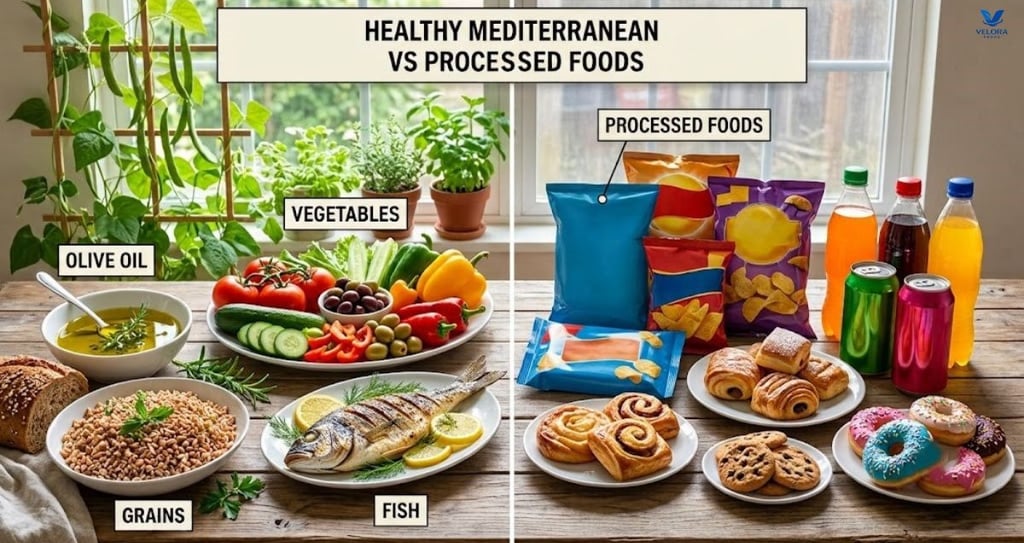
Consuming foods in this category is recommended to be limited or avoided.
The Mediterranean diet isn't a diet that limits all foods, but it does recommend reducing the intake of foods that are highly refined and increasing the intake of whole foods.
Processed Foods
Packaged snacks, fast food, processed meals, and overly refined convenience food are typically not consumed as often, and they often are high in sodium, added sugars, and unhealthy fat.
Sugary Drinks
Extra sugar from soft drinks, sweetened fruit drinks, and energy drinks is unnecessary. Drink water, unsweetened tea, and coffee in moderation.
Refined Grains
Whole grain versions are used in place of refined versions of bread, pastries, white rice, and other refined cereals where possible.
The most common source of excess red and processed meat is consuming too much red or processed meat.
Protein is the main focus in the Mediterranean diet—fish, seafood, beans, and legumes. Red meat and processed meats are consumed in small amounts and infrequently.
Desserts with high processing (HPD)
Desserts that contain sugar are only suitable for special occasions, such as cookies, cakes, and candies. Fresh fruit is commonly used as a natural sweetener.
Mediterranean Diet Meal Ideas
The Mediterranean diet is simple to stick to, in part because there are so many yummy meal choices.
Breakfast
• Topped with berries, walnuts, and oats. Berries, walnuts, and oats add a kick to Greek yogurt.
• Avocado and sliced tomato whole-grain toast,
• Fresh fruit oatmeal with fresh fruit, almonds, and cinnamon
Lunch
• Vegetable salad with chickpea & olive oil dressings with lemon.
• Grilled chicken, quinoa and roasted veggies
• Baked beans on whole-grain bread with baked potato, beans, and lentils
Dinner
• Baked salmon, brown rice, and steamed broccoli.
• Oatmeal topped with grilled veggies, tomatoes, and whole wheat pasta
• Grilled shrimp on quinoa and mixed salad
Healthy Snacks
• Fresh fruit
• Mixed nuts
• Hummus with carrot + cucumber sticks
• Greek yogurt
• On-the-go nut butter sandwiches (with natural peanut butter)
These meals are designed to have a balance of fiber, protein, healthy fats, and complex carbs for balanced and satisfying meals.
A few simple tips for shopping for the Mediterranean diet.
Following the Mediterranean diet is easy and inexpensive when you plan accordingly!
(1st) Buy vegetables before meat, breads, and grains.
When shopping, pack in colors with vegetables, leafy greens, tomatoes, cucumbers, peppers, onions, berries, citrus fruits, apples, and seasonal fruits and vegetables.
Choose Whole Grains
Check for 100% whole-grain foods or whole-wheat foods. Brown rice, oats, quinoa, barley, and whole-grain pasta make great items to have in the pantry.
Buy Healthy Protein Sources
Make fish, seafood, beans, lentils, plain Greek yogurt, and some lean poultry part of your weekly food shopping.
Maintain Healthy Fats in the Area
Use extra virgin olive oil as the main cooking oil. Keep almonds, walnuts, pistachios, sunflower seeds, and pumpkin seeds on hand for snacks and as a healthy addition to meals.
Read the nutrition labels.
If buying packaged foods, read the labels and select those with a smaller ingredient list, less added sugar, reduced sodium, and little processing.
Final Thoughts
The Mediterranean diet isn't just about what to eat; it's a way of eating that's based on the consumption of fresh, healthy foods and a balanced diet. Fill your plate with vegetables, fruits, whole grains, legumes, seafood, healthy fats, and flavorful herbs to make delicious meals a part of your lifestyle.
It's the little things that add up over time that can make the biggest difference. To develop healthier habits, replace processed foods with healthier options, cook more at home, and get moving! The Mediterranean diet is a flexible option for healthy eating, suitable for anyone who is just starting to consider a healthier lifestyle or anyone aiming to make their existing eating plan even better.
Velora Foods
Healthy eating guides, drink information, and recipes inspired by food traditions from around the world.
Explore
Get in Touch
Velorafoods0@gmail.com
+92 316 063 7537
Sadiqabad, Punjab, Pakistan
© 2026 Velora Foods—Practical nutrition tools, healthy eating resources, and kitchen tips.
HEALTHY EATING & FOOD GUIDES