
Best Fruits for People with Diabetes: A Healthy Guide to Blood Sugar Friendly Choices
Learn about the best fruits for people with diabetes, including low-glycemic options that can support healthy blood sugar management as part of a balanced diet.
HEALTHY EATING
M S ISHAQ
7/18/20269 min read
You don't have to avoid fruit when you have diabetes. Actually, numerous of the greatest fruits for those with diabetes are loaded with fiber, vitamins, antioxidants, and also natural substances that have health benefits. The trick is to select fruits that have a lower glycemic impact, to mind the portions, and to eat them in a balanced way.
Fresh fruit can be a great way to quench a sweet tooth without all the calories and empty sugar of a dessert. Whether you have type 1 diabetes, type 2 diabetes, or prediabetes, knowing which fruits are allowed and which you need to avoid can help you make informed decisions about what foods to eat.
This guide will discuss which fruits are best for diabetics, how fruit impacts blood sugar, and the nutrition-rich fruits that can be eaten in moderation.
Please be aware that reactions to foods are unique. The information provided in this article is for educational purposes only and should not substitute for the information provided by your health care provider and/or a registered dietitian.


Fruits are OK for people with diabetes?
Yes. The vast majority of people with diabetes can enjoy fruits without problems. Fruits are rich in carbohydrates, mostly in the form of fructose, but also contain antioxidants, vitamins, minerals, and dietary fiber.
Whole fruits are not digested as quickly as foods that have added sugars, due to the presence of fiber. This slower digestion process can lower the blood glucose quick rise that occurs when consuming sugary drinks, candies or desserts.
Rather than eliminating fruit, try to concentrate on:
· Many people prefer consuming fruit rather than fruit juice.
· Consuming adequate amount of food
· Fruit and protein or healthy fats. When pairing fruit with protein or healthy fats.
· If recommended by your health care provider, monitor blood glucose.
Why Fruit Is Good for People with Diabetes
Whole fruits are a lot more than just sweet. They provide key nutrients for wellness and health.
Some benefits include:
· Vitamin C-rich and contains other vitamins as well.
· Rich in the nutrient dietary fibre
· No added sodium
· Source of antioxidants, vitamins, and minerals.
· May help fight heart disease and other ailments
· May help promote a sense of satisfaction and well-being
· High in potassium for muscle and nerve function and to counter the effects of salt
Consuming a wide range of brightly colored fruits also boosts your consumption of plant chemicals that could shield cells against oxidative damage.
Understanding the Glycemic Index (GI)
The Glycemic Index (GI) is one helpful tool available when selecting diabetic-friendly fruits.
The glycemic index is a measure of how rapidly foods containing carbohydrates increase blood sugar levels when compared to pure glucose.
General GIs are those that are broadly applicable, such as the following:
• Low GI: 55 or less
• Medium GI: 56–69
• High GI: 70 or higher
The fruits with low to medium GI are actually high in fiber and water.
Remember, the glycemic index is just one component. The amount of fruit served, its ripeness, and serving with other foods also affect blood sugar responses.
The Glycemic Load Matters Too.
The Glycemic Index is used to measure the rate at which carbohydrates raise blood sugar; however, Glycemic Load (GL) takes into account the amount of carbohydrates in a normal serving size.
An example of this is watermelon, which has a relatively high GI but a decent amount of water in each serving and relatively few carbohydrates per serving.
When selecting fruits, consider both GI and GL.


How to Enjoy Fruit Without Causing Large Blood Sugar Spikes?
Healthy eating is not about restriction; it's about balance.
Here are some practical tips to help:
Choose Whole Fruit
Fiber is a component that is found in whole fruits that slow digestion.
Better choices include:
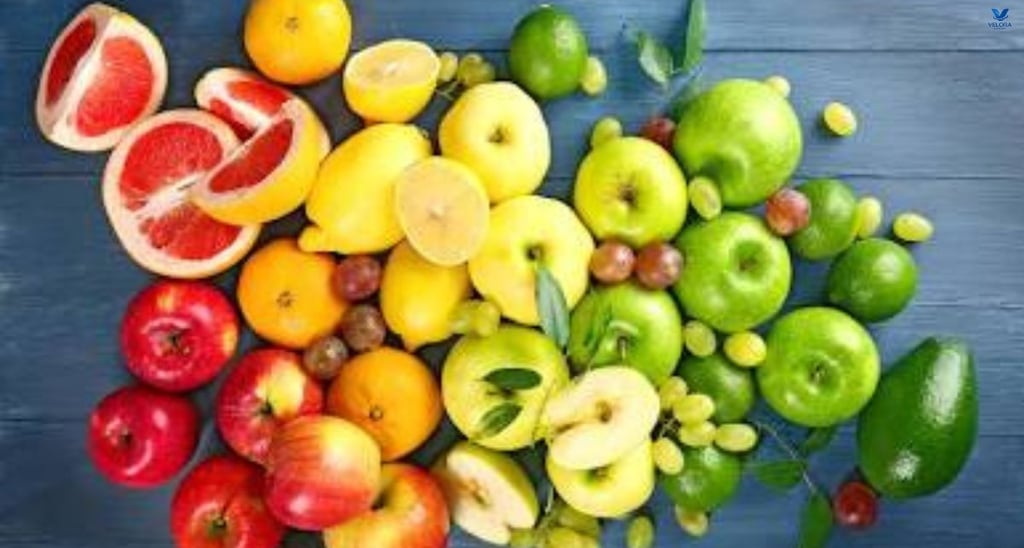
• Apples
• Pears
• Berries
• Kiwi
• Oranges
Instead of:
• Fruit juice
• Sweetened fruit drinks
• Fruit syrups
Eat portion sizes
Carbohydrates are present in all foods, even healthy ones!
A moderate serving may consist of
• One small apple
• One medium orange
• One small pear
· one cup of berries.
• One kiwi
The number of portions can depend on your meal plan and health objectives.
Pair Fruit with Protein
Fruits may help fill out your snack with protein or healthy fats.
Examples include:
Use unsweetened peanut butter to spread on apple slices.
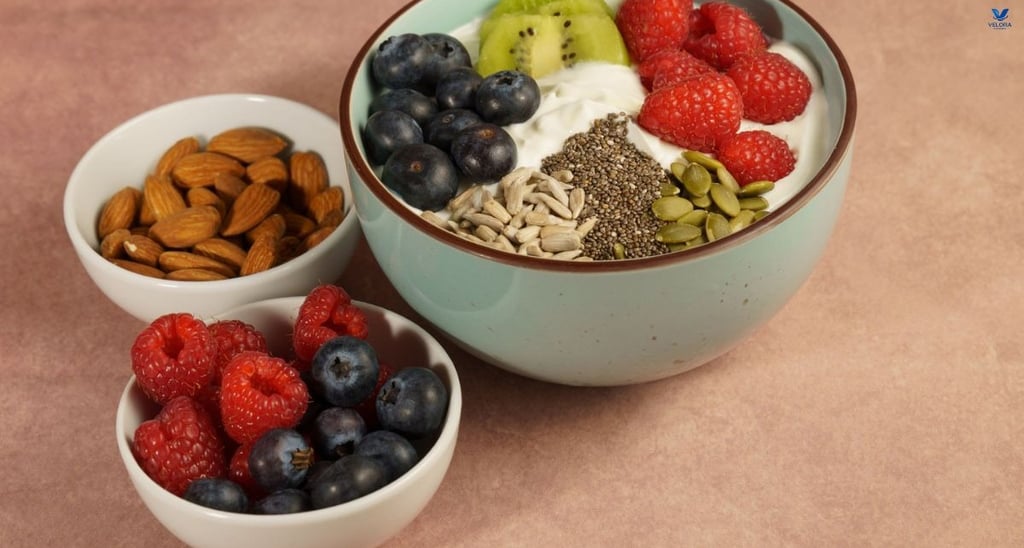
Choose any of the following options: Greek yogurt mixed with berries;
Some pears with a handful of almonds. A few pears and almonds.
Cottage cheese topped with peaches. Cottage cheese on peaches.
15 Best Fruits for Diabetes.
These fruits are good options for people with diabetes to include in their diets.
1. Apples
Apples are good fruits for diabetics as they contain a lot of soluble fiber, especially pectin.
Benefits
• Supports digestive health
• Helps increase fullness
• Contains vitamin C
Made simple to transport as a snack.
Eat apples with the skin on for the maximum amount of fiber after they have been washed.
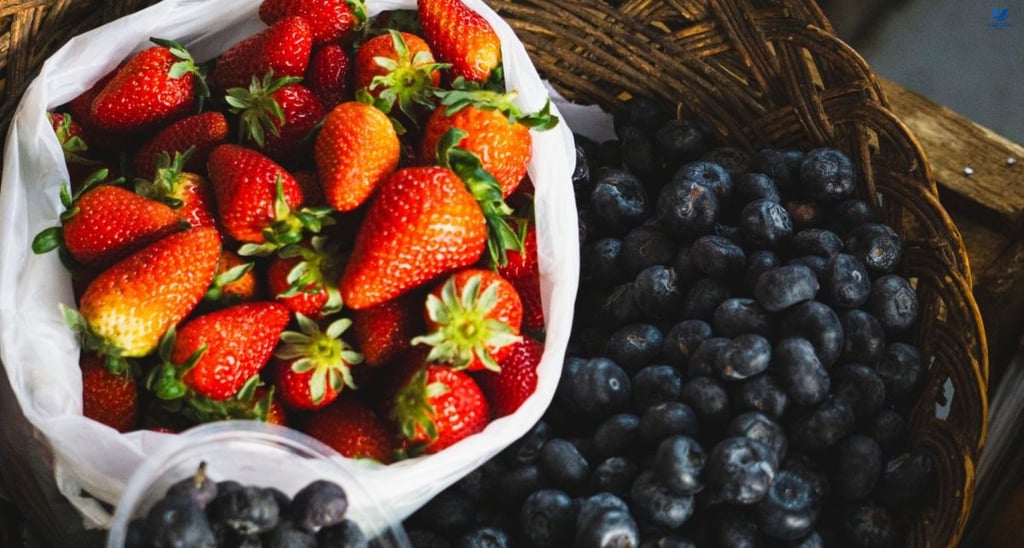
2. Blueberries
Comparably, blueberries are little yet high in nutrients.
They provide:
• Fiber
• Vitamin C
• Vitamin K
• Antioxidants called anthocyanins
These compounds give the berries their deep blue color and have a range of health benefits.
3. Strawberries
Strawberries are low in calories and naturally sweet.
They contain:
• Vitamin C
• Manganese
• Fiber
• Antioxidants
Fresh strawberries make a good snack or can be mixed with plain yogurt or oatmeal.
4. Pears
Pears are another kind of fruit that is high in fiber and will help keep you full.
They provide:
• Soluble fiber
• Vitamin C
• Potassium
• Copper
Consuming pear skin with the fruit enhances fiber consumption.
5. Cherries
Vitamins, minerals, and antioxidants are found in fresh cherries.
When choosing cherries:
If available, choose fresh cherries.
Do not use varieties packed in a lot of sugar syrup.
• Pay attention to the quantities (cherries have natural sugars).
6. Oranges
Whole oranges are rich in fiber, vitamin C, and water.
Rather than getting an orange juice drink, opt for an orange and its fiber, which can slow the absorption of carbohydrates.
7. Kiwi
Kiwi is rich in:
• Vitamin C
• Vitamin E
• Potassium
• Fiber
It has a refreshing flavor, and it can be used in a variety of delicious combinations with yogurt, cottage cheese, or fruit salads.
8. Peaches
Peaches are naturally sweet and are a good source of the following:
• Vitamin A
• Vitamin C
• Potassium
• Fiber
Ideally, buy fresh or frozen peaches that have no added sugar.
Tips on Purchasing Diabetes-Friendly Fruit
Eating healthily can be made easier by being smart about shopping.
Here are a few tips to remember:
Purchase fruits that are in season for quality and flavor.
Use fresh or frozen fruit (no added sugar).
Check canned fruit labels and choose canned fruit packed in water or natural liquid, not syrup.
Wash fresh produce before eating.
Properly store fruit for freshness.
9. Grapefruit
Grapefruit is a refreshing, citrus-tasting fruit that is packed with vitamin C, fiber, and antioxidants. It has a low glycemic index, which is why so many people use it to control their blood sugar levels.
Benefits
• High in vitamin C
• Contains fiber
• Low in calories
• Supports hydration
Grapefruit may interact with some medications, such as some cholesterol-lowering drugs and blood pressure medications. Consult your healthcare provider or pharmacist if you have any questions about whether or not grapefruit is safe for you.
10. Avocado
Avocado is a fruit, although sometimes referred to as a vegetable. It naturally has a low sugar content and is loaded with healthy monounsaturated fats.
Benefits
Rich in good fats
• Rich in fiber
• Helps increase fullness
Is rich in potassium and vitamin E.
Savor avocado on whole-grain breads, salads, or smoothies, unsweetened.
11. Raspberries
Raspberries rank among the fruits containing the most fiber.
Benefits
Consists of a high level of dietary fiber. Contains a good amount of dietary fiber.
• Rich in vitamin C
Low-sugar and naturally sweet in taste, just like many fruits.
• Contains antioxidant compounds
They go great with plain Greek yogurt or unsweetened oatmeal.

12. Blackberries
Blackberries are a good source of fiber, vitamin C, vitamin K, and antioxidants.
They are naturally rich in fiber and can make a good snack if eaten fresh.
13. Guava
Guava is rich in vitamin C and dietary fiber.
Benefits
• Supports immune health
• High in fiber
• Contains potassium
• Naturally filling
Use fresh guava rather than guava jellies, jams, etc.
14. Pomegranate
Pomegranate seeds are a source of antioxidants and fiber.
Can be used to top salads, yogurt, or oatmeal.
Be sure to eat them in moderation since they are a natural source of sugar.
15. Apricots
Fresh apricots are a nutritious fruit that contains the following:
• Vitamin A
• Vitamin C
• Potassium
• Fiber
Occasionally fresh or unsweetened dried apricots can be added, but dried fruit should be consumed in smaller amounts, as it has a higher concentration of natural sugars.
Fruits to Eat in Moderation
While most fruits are suitable for a healthy eating plan, others may need special consideration because they are higher in carbohydrates or have been processed.
These include:
• Raisins, dates, and other dried fruits.
• Fruit juices
• Sweetened canned fruits
• Prepare fruits in syrup for packing.
• Sweetened fruit smoothies
These foods do not necessarily have to be "off-limits," but it's important to control the amount of food and added sugars.
Ways to Add Fruit to Your Diet
Fruit-eating habits can be easier with healthy habits and help keep blood sugar levels stable.
Add protein to fruit.
Combine fruits with:
• Plain Greek yogurt
• Cottage cheese
• A few of the unsalted nuts
• Simply add nut butter without added sugar.
• Protein can help make snacks more filling.
Choose Whole Fruit Instead of Juice
Whole fruit is a good source of fiber, and fruit juice is not a good source of fiber and is easier to drink more.
For example:
In general, an orange is a better option than 100% orange juice.
Eat fruit throughout the day.
Try to consume several servings throughout the day instead of at a single time.
Examples:
• Berries with breakfast
• An afternoon snack of apples. Apple snack for the afternoon.
• Kiwi after dinner

Common errors to prevent
By avoiding these habits, you can make healthier fruit selections.
Drinking Fruit Juice Regularly
Juices tend to be lower in fiber than whole fruit and can add more quickly to the carbohydrate content.
Eating Large Portions
Carbohydrates are found in all types of foods, even healthy fruits. Serving sizes can be helpful to those who want to be mindful of their own nutrition goals.
Consider Sweetened Fruit Products
Try to keep sugar added to products to a minimum, such as
• Syrup-fruity cocktails
• Sweetened dried fruit
• Candied fruit
Overall Diet Quality
Fruit can only be part of a healthy diet. Eat vegetables, whole grains, lean proteins, and healthy fats too.
Sample One-Day Fruit Plan
The following is an example of how fruit can be incorporated into the day.
Breakfast
• Plain Greek yogurt
• Blueberries
• Chia seeds
• Morning Snack
• One small apple
Lunch
• Grilled chicken salad
• Orange slices
Afternoon Snack
Almonds with a small pear.
Dinner
• Grilled salmon
• Steamed vegetables
• Brown rice
Dessert
• Fresh strawberries
This is a sample only. Some consider medication, medical advice, and activity level to be factors. Age and activity level are factors, as well as medications and medical advice.
Commonly Asked Questions
Can people with diabetes eat bananas?
Yes. Bananas are a part of a healthy diet. If you have trouble fitting in a banana, you'll want to consider selecting a smaller banana and be mindful of the portion size.
But is it safe to eat berries if you have diabetes?
Yes. Blueberries, strawberries, raspberries, and blackberries are high in fiber and antioxidants and are considered a healthy food option for many.
Is it preferable to have fruit juice or whole fruit?
In general, whole fruit is better than juice since it will contain fiber and is likely to be more filling.
Can I eat fruit every day?
Eating fruit daily as part of a healthy eating pattern is acceptable for many people with diabetes. The suggested dosage varies according to the individual's health and recommendations from a health care professional.
Of all the fruits, which one has a low glycemic index?
The glycemic index of many berries, cherries, apples, pears, and grapefruit is quite low, but the glycemic index of meals is also dependent on portion size.
Final Thoughts
The ideal fruits for diabetics are those that are whole, rich in nutrients (fiber, vitamins, minerals, antioxidants), and free from added sugars. Fruit can be a part of a healthy diet when consumed in moderation. Fruits like apples, berries (blackberries, raspberries, pomegranate, and apricots), pears, oranges, avocado, kiwi, guava, and grapefruit can all fit into a healthy eating pattern in the right proportions.
Rather than cutting fruit out of our diet, we are encouraged, instead, to make it the main part of our meal, serve fruits with proteins or healthy fats, and watch portion sizes. Healthy eating is a way of eating that is consistent and varied and makes informed choices that fit your lifestyle.
If you have diabetes or another health condition, always create your meal plan with your healthcare provider or a registered dietitian.
Velora Foods
Healthy eating guides, drink information, and recipes inspired by food traditions from around the world.
Explore
Get in Touch
Velorafoods0@gmail.com
+92 316 063 7537
Sadiqabad, Punjab, Pakistan
© 2026 Velora Foods—Practical nutrition tools, healthy eating resources, and kitchen tips.
HEALTHY EATING & FOOD GUIDES