Category Energy & Functional Drinks

Functional drinks are beverages made to do more than quench thirst, and energy drinks are the best-known group. This page collects every Velora Foods guide on functional drinks in one place, so you can compare caffeine, sugar, calories and ingredients before you buy. Each article is based on product labels and public health guidance, and is written in plain language.

What Are Functional Drinks?

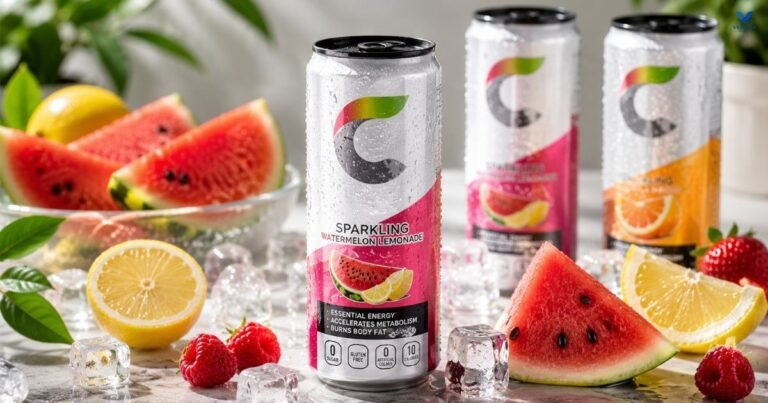
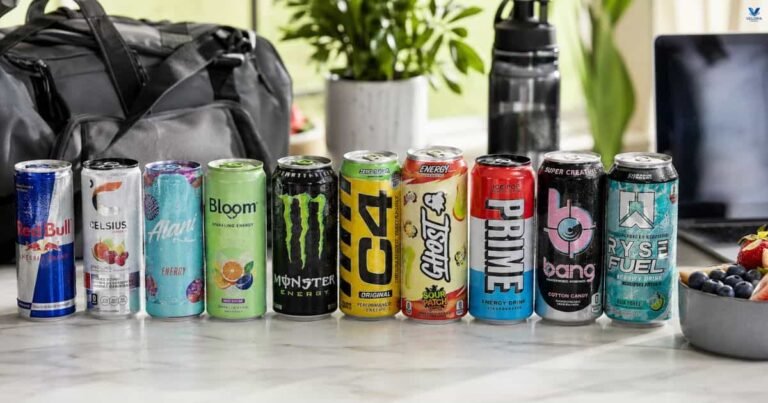
Functional drinks add ingredients such as caffeine, electrolytes, vitamins, amino acids or botanicals to support a specific goal, like alertness, hydration or relaxation. Common types include energy drinks, sports and electrolyte drinks, adaptogen drinks, and zero-sugar sparkling waters with added nutrients. Our guide to 50 energy drinks shows how much caffeine and sugar can differ between products in this group.

Functional drinks and energy drinks comparison for 2026

Energy Drink Reviews and Brand Breakdowns

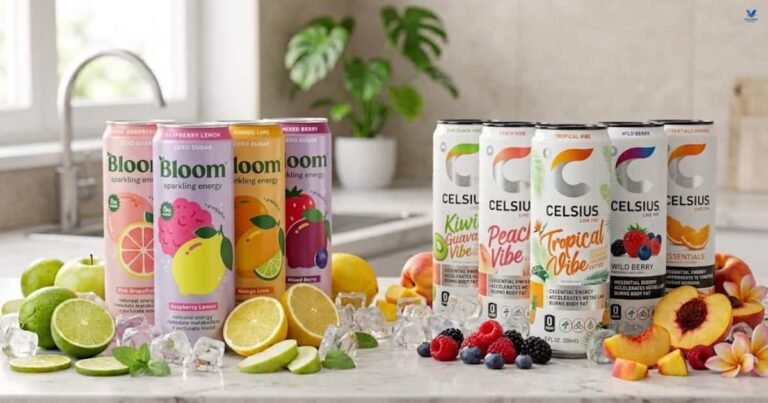
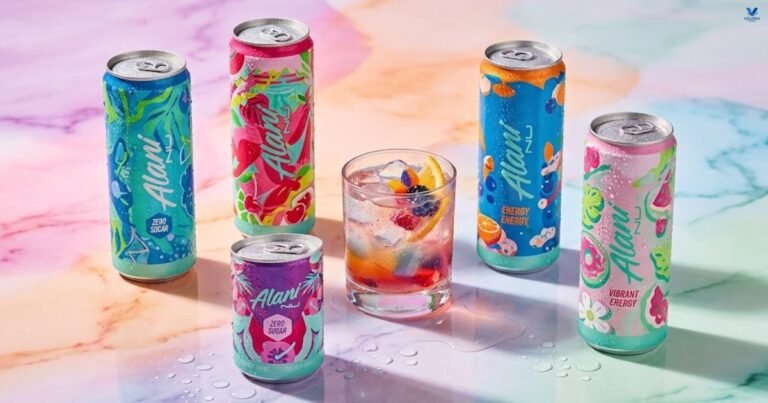
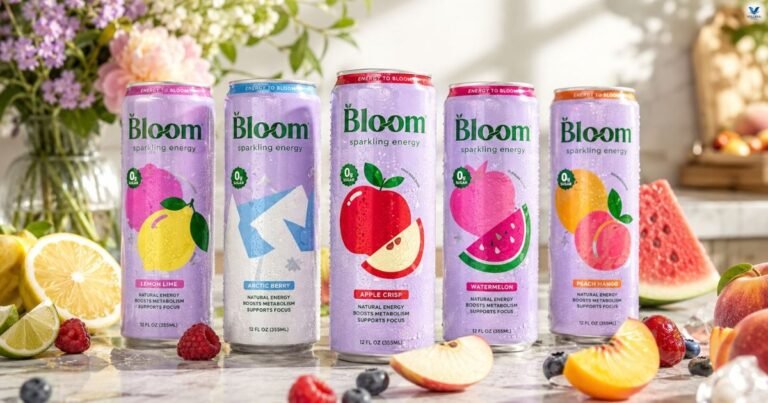
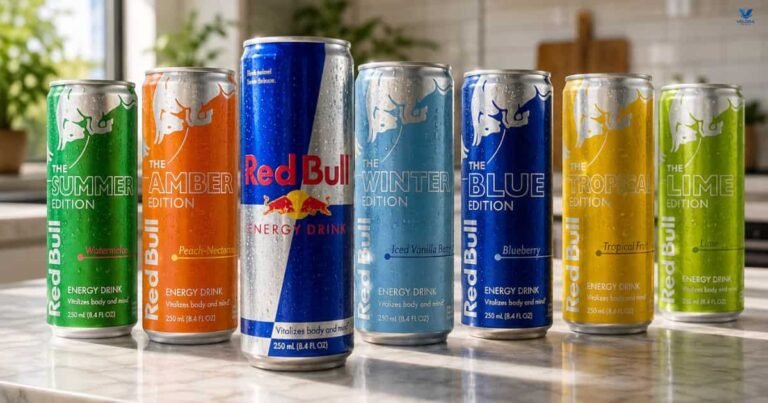
If you want a closer look at one product, start with our brand reviews. We cover C4 Energy, Echelon Energy and Free Bird, plus the caffeine and sugar in Monster Energy. For a wider view, see best energy drinks compared in 2026, which sets Red Bull, Celsius, Alani Nu and Bloom side by side. These functional drinks reviews focus on what is on the label rather than on marketing claims.

Hydration, Adaptogens and Everyday Alternatives

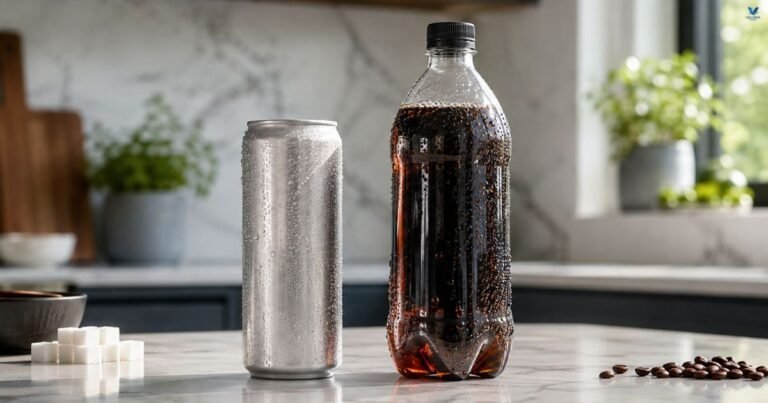
Not every functional drink is about caffeine. Electra is a low-calorie electrolyte option, while adaptogen drinks use botanicals such as ashwagandha and ginseng as an alternative to coffee and soda. Our comparison of coffee vs energy drinks helps you weigh the two most common choices for a caffeine boost, and you can explore more in our coffee and tea section.

How to Compare Functional Drinks

Labels differ a lot, so a quick checklist makes choosing easier:

  • Caffeine per serving: check the milligrams on the can and count caffeine from coffee, tea and soda too.
  • Added sugar and calories: sugar-free options exist, but sweeteners and sugar alcohols vary from brand to brand.
  • Other active ingredients: look at amino acids, herbal extracts, vitamins and electrolytes, and how much of each is listed.
  • Serving size: some cans contain more than one serving, which changes every number on the label.

How Much Caffeine Is Too Much?

The U.S. Food and Drug Administration says about 400 milligrams of caffeine a day is not generally associated with negative effects for most healthy adults, though people react differently. Read the FDA guidance on caffeine for details. Because functional drinks vary so much, always read the label. A Monster Original, for example, contains 160 mg of caffeine in a 16 fl oz can. Pregnancy, medication or a health condition may call for a lower limit, so check with a healthcare professional if that applies to you. To keep an eye on your overall intake, try our free daily sugar intake calculator and daily fluid intake calculator.

Frequently Asked Questions About Functional Drinks

Are energy drinks the same as functional drinks?

Energy drinks are one type of functional drink. The wider category also includes electrolyte drinks, adaptogen blends and fortified waters.

Are energy drinks bad for you?

It depends on the product, how much you drink and your own health. High caffeine and added sugar are the main concerns. See our article on whether energy drinks are bad for your liver for the risks and safety tips.

How do I choose a healthier energy drink?

Compare caffeine per serving, added sugar and calories, then read the ingredient list for anything you want to avoid. Our energy drinks section has side-by-side comparisons to make this easier.

This content is for education only and is not medical advice. Talk to a healthcare professional about caffeine if you are pregnant or managing a health condition.