Where food tradition meets practical nutrition
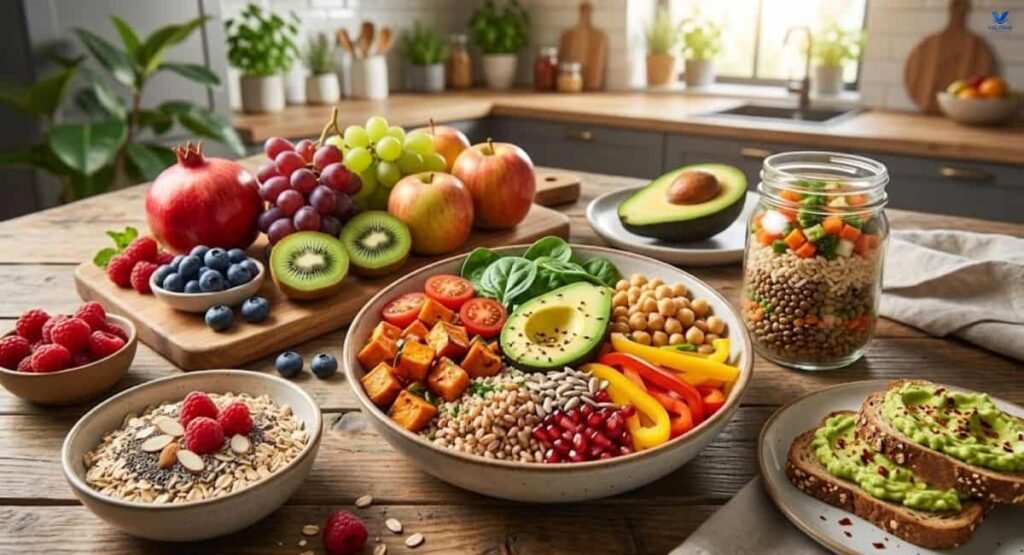
Velora Foods is an independent publisher of recipes, nutrition guides, drink and beverage explainers and free calculators. We bring together food traditions from around the world with practical, clearly explained nutrition information, so that individuals and families can cook enjoyable meals, understand what is in their food and drinks, and make informed everyday choices.
This page explains why we do this work, what you can expect from us, and the standards we hold ourselves to. If you are new here, it is the best place to learn who is behind the site and how much trust to place in what you read.
Our mission
Our mission is simple: to make food and nutrition information clear, honest and genuinely useful for everyday life. We want a parent planning dinner, a student comparing energy drinks, someone trying to understand their blood sugar, or a curious home cook to leave Velora Foods knowing more than when they arrived, without feeling confused, pressured or sold to.
We believe good food information should do three things. It should answer the question that brought you here, it should show you where the numbers come from, and it should be honest about what is not known. Everything we publish is measured against those three ideas.
Why Velora Foods exists
Anyone who has searched for food and health information online knows the problem. One article calls a food a superfood and the next tells you to avoid it. Recipes bury the ingredient list under pages of backstory. Nutrition numbers appear without a source, and miracle claims are everywhere. It is hard to know what to trust.
Velora Foods was started to offer a calmer alternative. We write in plain language, put the most useful information first, and label estimates as estimates. We combine the warmth of home cooking with a careful, research-minded approach, because food is both something we enjoy and something that affects our health.
The values behind our work
What we publish
- Recipes. Practical recipes for drinks, main meals, sweets and baking, with ingredients, methods and serving information, so you can see what you are cooking and eating.
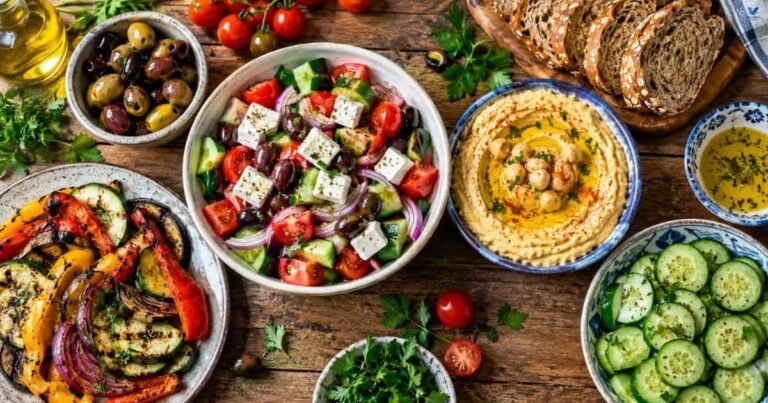
- Nutrition and healthy eating guides. Plain-language articles on topics such as protein, fibre, vitamins, minerals, the Mediterranean diet and balanced eating.
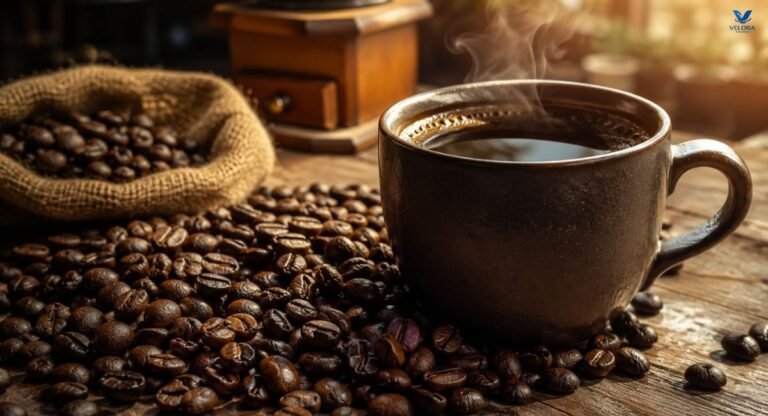
- Drink and beverage guides. Caffeine, sugar, calorie and ingredient information for coffee and tea, energy drinks and other popular drinks, based on product labels and public health guidance.
- Blood sugar and diabetes-friendly eating. Food lists, meal-planning ideas and practical guides for people who want to understand blood sugar better. This information is educational and never replaces the advice of your healthcare team.
- Food facts, trends and news. A look at what is changing in the food world, seasonal traditions and useful kitchen how-tos.
- Free calculators. Our dietary calculators give general estimates for BMI, calorie needs, protein, fluid and sugar intake using established formulas.

Free tools for everyday planning
Beyond articles, we build free calculators to help you turn general guidance into numbers that fit your own life. You enter your details, the result appears instantly in your browser, and we do not store what you enter. We explain the formula behind each tool, because a number you cannot explain is not very useful.
Results are estimates for general education and planning. They are not diagnoses, and they are not a substitute for advice from a doctor or registered dietitian. You can try them all on our calculators page.
Our editorial standards
Health-related information can affect real decisions, so we hold our content to the following standards.
- Reliable sources. We aim to base nutrition and health statements on recognised sources such as the USDA FoodData Central database, the U.S. National Institutes of Health, the World Health Organization, the U.S. Food and Drug Administration, national dietary guidelines and peer-reviewed studies. Where an article makes an important health claim, we aim to name or link its source.
- No miracle claims. We do not promote miracle diets, detoxes or cures, and we do not claim that any food or drink treats or prevents disease.
- Estimates are labelled as estimates. Nutrition values vary by brand, recipe and portion size. Numbers on this site are approximations, and the product label is always the final word.
- Independence. Advertising or sponsorship never decides what we recommend. Any paid or affiliate relationship is disclosed.
- Corrections and updates. We review error reports promptly and update an article when we find a mistake. We revise articles when new research or product changes make them out of date.
How we create an article
Every article follows the same careful process, whether it is a quick recipe or a long nutrition guide.
- Start with a real question. We choose topics based on questions people genuinely ask about food, drinks and nutrition.
- Research reliable sources. We consult government health agencies, nutrition databases, product labels and peer-reviewed research.
- Write plainly. We explain the answer in simple language, put the key information near the top and avoid exaggeration.
- Check the numbers. Where we give calories, caffeine, sugar or other values, we check them against labels or databases and present them as approximate.
- Add context and safety. Health-related content reminds readers that individual needs differ and when it is wise to speak to a professional.
- Review and update. We revisit articles when research, guidelines or products change, so they stay useful over time.
Who writes Velora Foods
Velora Foods was founded by Muhammad Shoaib Ishaq, a mathematical researcher based in Sadiqabad, Punjab, Pakistan, who brings a careful, evidence-minded way of thinking to food content. That habit shapes how we treat numbers, sources and uncertainty on this site.
We are open about our limits: our content is written by a researcher and food writer, not by a registered dietitian, nutritionist or physician, and it is for education only. Please read our Disclaimer and speak with a qualified professional before changing your diet for a medical reason.
How Velora Foods is funded
Velora Foods is free to read. To help cover hosting and running costs, we may display advertising or include affiliate links. If we do, advertising will be kept clearly separate from our editorial content, and any paid or affiliate relationship will be disclosed. Advertisers and sponsors do not choose what we write about or what we recommend.
What Velora Foods is not
We are not a medical service. Nothing on this site is a diagnosis, a treatment plan or personal medical advice, and reading an article does not create a doctor and patient relationship. If you have a medical condition, take medication, are pregnant or breastfeeding, or have concerns about your health, please talk to a qualified healthcare provider before acting on anything you read here.
We also encourage you to think critically about any food and health information you find online, including ours. If something on Velora Foods looks wrong or out of date, we would like to know. Our Privacy Policy and Terms and Conditions explain how the site works and how we handle information.
Get in touch
Questions, corrections or ideas? Visit our Contact page or email velorafoods0@gmail.com. We read every message and aim to reply within three business days, and we handle reports of errors in our health or nutrition content first.