

Chocolate is a tasty indulgence, but if it spills on your favorite shirt, carpet, or sofa, it can be a frustrating occurrence. Brown marks and greasy residue can be left by chocolate stains, particularly by rubbing stains into fabric or by drying the stain.
Fortunately, many chocolate stains are able to be removed using the right stain removal technique. The most critical are removing the excess chocolate without damaging the surface, choosing the right cleaning solution, and adhering to the directions for the materials.
This guide will show you how to safely and effectively confront a new chocolate spill, a longstanding stain on clothing, or chocolate melted in carpet fibers.
Whether you’re cleaning your kitchen after cooking, mopping down after dinner, or tidying up after breakfast, Velora Foods has some practical tips for you to help you keep the mess in your home to a minimum without taking up a lot of time or causing unnecessary damage.
Why is it chocolate stains are hard to remove?
Chocolate can be difficult to clean up because the chocolate itself contains a number of things that can cause different kinds of stains.
Cocoa Pigments
Cocoa is used to make chocolate brown. Pigments in chocolate will stain fabric if it gets in contact with it. Light-colored or white shirts, light-colored carpet, bed sheets, and upholstery are especially affected by these marks.
Cocoa Butter and Other Fats
Chocolate has fats, such as cocoa butter. Although the brown matter is gone, an oily mark can still be seen.
An appropriate laundry detergent can aid in breaking up this residue when cleaning washable fabrics.
Milk and Sugar
Milk chocolate, chocolate milk, and chocolate ice lube can contain milk protein and sugar. The cleaning method should be appropriate to the stain and the material involved, as these ingredients may leave behind extra residues.
What supplies will you be using to remove the chocolate stains?
Prior to cleaning, collect the supplies needed for the surface being cleaned.
Common supplies include:
· Use to scrape and transfer food.
· Make some clean white cloths or paper towels.
· Cool water
· Liquid laundry detergent
· An appropriate stains remover for fabric
· A soft sponge or cloth is required for cleaning.
· A carpet or upholstery cleaner that is compatible, as necessary
· Loose, dry chocolate crumb vacuum cleaner on appropriate carpeted surfaces
Not all of the above may be required for all stains. Follow the directions on cleaning products and also the care instructions for clothing, carpets, and furniture.
How to Remove Chocolate Stains from Clothes
If the clothing is washable, a practical way to remove excess chocolate is to rinse the stained area, pretreat, and wash the garment following the instructions on the clothing label.
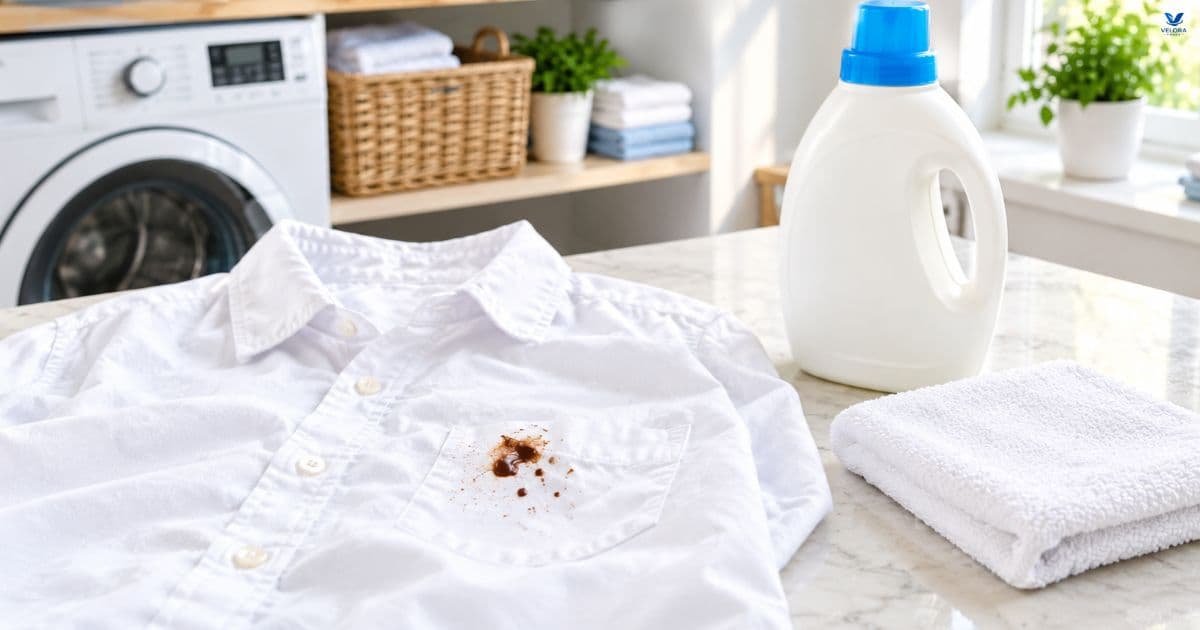
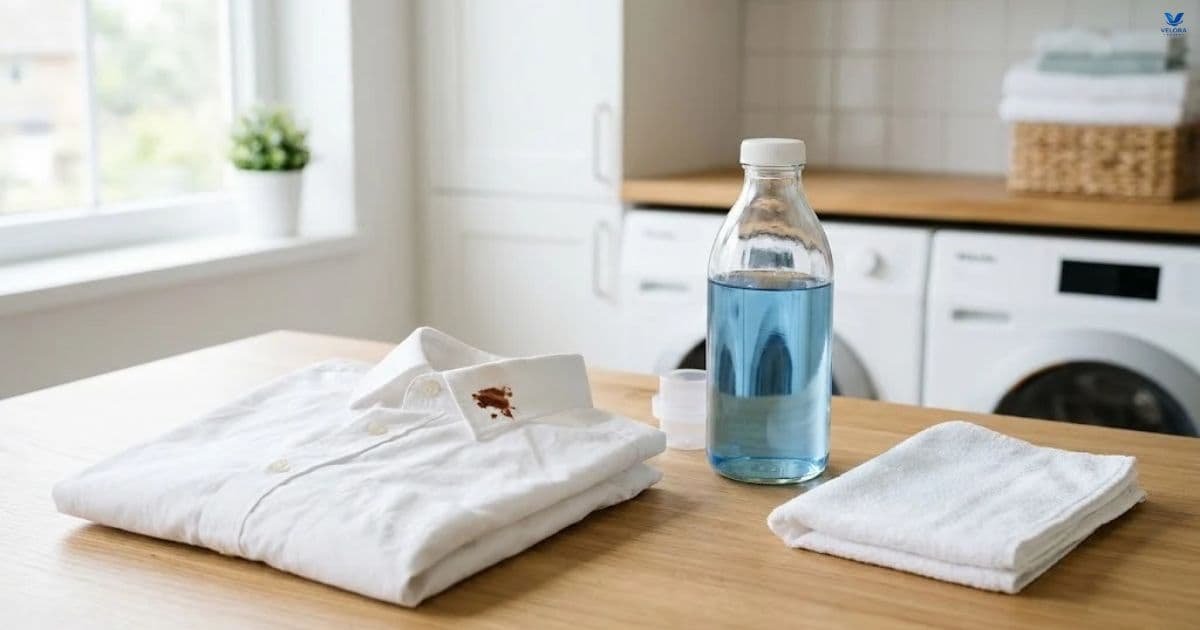
Step 1: Remove Excess Chocolate
Scrape off as much chocolate as you can with a spoon or dull scraper.
If the chocolate is soft, gently work so that it doesn’t spread out. If solid, carefully peel off to expose the fabric, but not cause damage.
Don’t rub too hard, as it will push chocolate into the fibers.
Step 2: Rinse with Cool Water
If the clothes are washable, wash the stained area with cool running water, changing the water several times, and preferably, wash the back of the clothes.
This can assist in loosening and removing a few of the chocolate residues.
Read the label before use, particularly where it is important the item be cared for delicately or is prone to staining.
Step 3: Use Liquid Laundry Detergent
Put a tiny bit of an appropriate liquid laundry detergent or appropriate fabric treatment on the stain.
Apply to the affected area, following the manufacturer’s instructions, and gently work in.
Leave it on for the recommended time. Don’t use too much detergent and don’t mix detergents.
Step 4: If necessary, put the garment in the soak vat.
When the stain is stubborn, put the garment into cool water and use the proper quantity of detergent (if permitted by the care label).
Use detergent at concentrations and in soaking times recommended by the detergent manufacturer.
Stains may need to be pretreated prior to washing if they are old.
Step 5: Wash per Care Label
Use the appropriate detergent and warmest water temperature allowed by the care label to wash the garment.
Not all fabrics can withstand a hot wash. Some materials and/or colors may need special attention.
Step 6: Check Before Drying
After washing, check the stained area.
Repeat the pretreatment and washing if the mark is still visible before the tumble dryer or direct heat.
Some leftover stains will be harder to remove if heated.
The following tips show you how to take away old chocolate stains.
For older chocolate stains, more treatment might be necessary, as the residue might have had time to dry and stick to the fibers. But an old stain doesn’t always mean it can’t be eliminated.
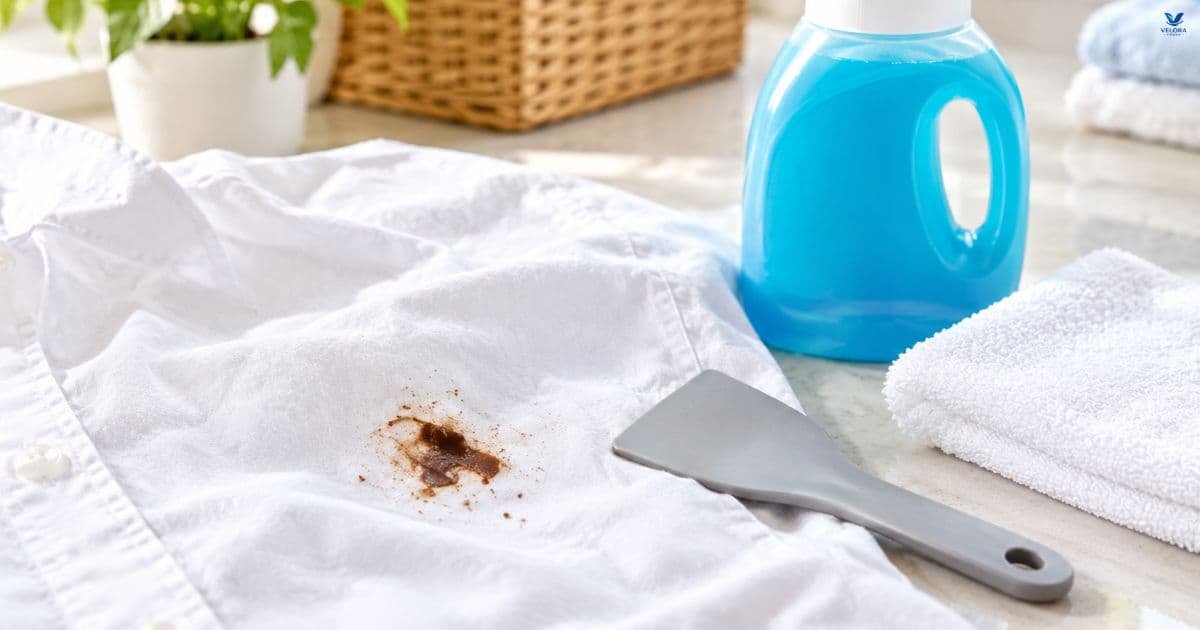
Step 1: Remove Dried Chocolate.
Scrape off dried chocolate with a dull spoon or plastic scraper.
Work slowly so as not to damage the fabric or spread the residue.
Step 2: Moisten the Stain
If you are washing something that can be washed with cool water, run the area that is stained through the washing machine following the care instructions.
Don’t stretch or rub the material excessively.
Step 3: Use a detergent for pretreatment.
Follow the label directions for using the fabric stain remover or laundry detergent.
Allow it to work for the recommended time.
Step 4: Soak and Wash
Launder in a suitable detergent solution, if allowed by the care label.
Clean the item following the instructions for cleaning and check the result.
If you need to, repeat step 5.
Repeat if the stain does not go away before drying.
For delicate material or stains that won’t come out with repeated cleaning, you may want to use a professional stain removal service.
To remove chocolate stains from white clothes, follow these steps:
White shirts, uniforms, towels, and bed sheets are some of the more obvious fabrics that can get stained with chocolate.
Follow these steps:
1. Carefully and thoroughly remove excess chocolate.
2. Rinse the stained area with cool water.
3. Use an appropriate laundry detergent to pretreat the stain.
4. Clean following washing instructions on the care label.
5. Check fabric prior to the dry.
When the label and directions for the product allow it, a fabric-friendly oxychlorine bleach might be a solution if the discoloration persists.
Do not assume chlorine bleach is suitable for every white garment. Some fabrics and finishes can be damaged by it.
Avoid combining bleach with vinegar, ammonia, or other cleaners. Combining cleaning chemicals may create hazardous products.
To Remove Chocolate Stains from Colored Clothes:
Special attention to colored garments because some cleaning will cause fading of the color.
Task one is to remove excess chocolate by wiping it off.
Step 1: Wipe away excess chocolate.
Use a spoon or dull scraper to remove any solid material.
Don’t force the chocolate into the fabric.
Step 2: Pretreat the Fabric
Use colored fabric detergent or stain remover.
Test on an inconspicuous spot first to see if there is any change in color.
Step 3: Wash the Garment
Wash in the recommended temperature and cycle.
Do not use bleach or concentrated cleaning solutions unless specifically recommended by product and garment instructions.
Step 4: Inspect before drying
See if there is any chocolate mark on the label.
Repeat the cleaning process, if needed, before drying the garment.
Remove Chocolate Stains from Carpet
Carpets and rugs can have brown stains from chocolate spills. Too much scrubbing can spread the stain and/or harm the fibers.

Step 1: Take away solid chocolate.
Use a spoon to hold solid chocolate.
If the carpet can be vacuumed, use a vacuum cleaner to clean dry crumbs.
Don’t break the chocolate into the pile of carpet.
Step 2: It is essential to verify the carpet cleaning instructions.
Before using the water or cleaning product, refer to the manufacturer’s care directions.
Certain types of carpeting, especially wool, natural fiber, or fragile carpeting materials, must be cleaned in a special way.
Step 3: Test an Appropriate Cleaning Treatment.
Use a mild cleaning solution if it is allowed to be used, following the instructions on the cleaning product.
Test it first on an inconspicuous area of carpet to see how it affects the color and carpet.
Step 4: Blot the stain.
Wet a clean white cloth with approved cleaning solution.
Pat or blot the stain gently inwards from the outside.
Do not soak the carpet; just use a little water.
Step 5: Remove cleaning residue.
Use a separate cloth moistened with clean water if the cleaning product can only be rinsed.
Dry the remaining wetness from the carpet by blotting, but not fully saturating it.
Step 6: Wash and dry the carpet.
Cover with a clean and dry towel to absorb moisture.
Dry the carpet thoroughly, ventilating appropriately.
For stubborn stains and/or carpet that needs professional treatment, call a professional cleaner.
There are several different approaches to removing chocolate stains from upholstery.
Chocolate may bleed onto sofas, chairs, cushions, and other upholstered furniture.
The upholstery needs specific attention, as over-wet conditions can impact the fabric, padding, or internal components.
Step 1: Read the Upholstery Care Instructions.
Check the furniture cleaning code or care label before using water or detergent.
Certain upholstery can only be cleaned or treated with a specialized process.
Step 2: Remove Excess Chocolate
Use a spoon or dull scraper to carefully remove solid chocolate.
Refrain from pressing it further into the fabric.
Step 3: Use the cleaning product as directed.
If upholstery instructions allow, try a water-based cleaning solution on a section of the upholstery that is not visible.
Let the test area dry, and inspect for discoloration or damage.
Step 4: Use a paper towel to blot the stain.
Clean with the approved cleaning solution and a clean white cloth.
Gently pat; do not scrub or soak the material.
After giving the container a shake, remove the residue and dry the container.
If allowed, clean with a clean cloth, using a little fresh water.
Blot with a dry towel and allow the upholstery to dry thoroughly.
If the material is silk, velvet, leather, or upholstery and has been designated as a “professional clean” only, refer to the manufacturer’s instructions or use a professional cleaner.
How to remove chocolate milk and hot chocolate stains?
The liquid left behind and brown discoloration can occur after drinking chocolate milk or hot chocolate.
Step 1: Absorb the Liquid
Drain off excess liquid with a clean cloth or paper towel.
Gently press on the stain; do not rub.
Step 2: Rinse Washable Fabric
If the clothing is washable, rinse the stained area off with cool water, according to the instructions.
Step 3: Apply Suitable Detergent. Use the detergent and water to clean the surface.
Treat with an appropriate laundry detergent and fabric stain remover.
Use products according to the directions.
Step 4: Wash and Inspect
Follow instructions on the label for washing the garment.
Before drying, look for any discolored areas. If needed, repeat the treatment.
Do not use too much water or follow instructions for cleaning carpets and upholstered articles.
Removing chocolate stains from hard surfaces is tricky, but it can be done.
You can also have chocolate residue on washable plastic furniture, ceramic kitchen tiles, or other household surfaces.
Step 1: Use the spoon to scoop out the chocolate first.
Use a soft cloth or an acceptable non-scratching scraper to peel off solid chocolate.
Do not use sharp tools, which may damage the surface.
Step 2: Clean with a Suitable Solution.
Use a soft cloth with a few drops of a suitable dish washing liquid and warm water for compatible washable surfaces.
Follow manufacturers’ instructions for the surface.
Step 3: Wipe and Dry
Wipe off cleaning residue (where applicable) using a clean damp rag.
Use a soft towel to dry the surface.
Use a cleaner recommended for the surface for natural stone, unfinished wood, or other sensitive surfaces.
Avoiding Common Errors It is important to avoid these common errors when removing chocolate stains.
Some of the most common errors can be prevented, and thereby clothing and household items can be protected.
Rub the Stain Aggressively
Rubbing can spread the chocolate and cause damage to delicate fibers if not done vigorously enough.
Rather, gently blot or detergent treat to remove solid residue.
Using the wrong water temperature.
Depending on the material, the cleaning instructions, and the temperature, the appropriate temperature will be used.
When treating newly stained washable fabric, cool water is a good initial approach for a fresh chocolate stain. Afterwards, wash as per the garment label.
Too much cleaning product is used.
If too much detergent or cleaning solution is used, it can leave a residue on the fabrics and surfaces in the home.
Follow the manufacturer’s recommended quantity.
Applying Heat Too Soon.
Wait until after the wash to put a stained garment in the dryer.
If the stain is still visible, repeat the treatment.
Failure to follow the instructions on Fabric Care Labels
Finer fabrics like silk, wool, velvet, leather, and others might require special care.
The technique used for cotton may not be the best for all fabrics.
Mixing Household Chemicals
Do not combine bleach, vinegar, ammonia, or other cleaning products.
Follow the label directions for the use of cleaning products, ensure good ventilation, and keep them out of reach of children and pets.
Frequently Asked Questions About Chocolate Stains
What’s the fastest way to eliminate chocolate stains?
Take off excess chocolate, rinse off the washable fabrics with cold water, pretreat the stain with an appropriate liquid laundry detergent, and wash as directed by the care label. Stain removal will be easier if the stain is treated immediately.
Is it possible to remove old chocolate stains?
Yes, sometimes. If a stain has dried, carefully scrape off the dried stain particles, pretreat the spot, and according to the washing instructions, wash the garment. It may be necessary to repeat treatment on older stains.
Does Vinegar Remove Chocolate Stains?
Not all chocolate stains respond to the first treatment of vinegar. For washable clothes, a good place to start is an appropriate laundry detergent. Always test alternative treatment before using; don’t use vinegar in combination with bleach.
Can Baking Soda Remove Chocolate Stains?
In some cases, baking soda can absorb some odors or surface moisture; however, it’s not a fool-proof way to remove chocolate stains. If you are using washable clothes, detergent pretreatment will be a good first step.
Can you remove chocolate stains?
Not always. Conveniently, many chocolate stains can be treated to be removed. The cleaning results will vary according to the material, the age of the stain, the cleaning method, and if heat has already been applied.
Is it OK to put chocolate-stained clothes in the dryer?
Do not put the stain on until you are certain the stain has been removed. If any residue is present, pre-treat and wash again before using heat.
How can you get rid of chocolate stains on a white shirt?
Dust excess chocolate, rinse the back with cold water, pre-treat with appropriate detergent, and wash as per the care label. Look for any stains in the shirt before putting it in the dryer and dry again if needed.
What is the best way to get the chocolate off a sofa?
Always read the instructions for upholstery care. Gently take the solid chocolate off, then try a suitable cleaner on the back of the fabric, then gently blot, but not soak. If you have delicate upholstery, ask the professional cleaner.
Safety Precautions When Removing Chocolate Stains
Follow the instructions on cleaning products when using them.
· Test on an inconspicuous area before using products.
· Use protective gloves as recommended on the product label.
· Do not allow pets and children to come into contact with cleaners.
· Use adequate ventilation.
· Do not combine bleach with vinegar, ammonia, or other cleaning agents.
· Don’t overwater upholstered surfaces, carpets, and wooden surfaces.
· Follow the manufacturer’s directions for delicate fabrics and specialty materials.
Discontinue use of the product and follow the manufacturer’s safety precautions if the cleaning product causes irritation or the surface gets discolored.
References and Further Reading
The following resources provide additional guidance on stain removal, laundry care, and safe use of cleaning products.
-
- American Cleaning Institute.
Stain Removal Guide.https://www.cleaninginstitute.org/cleaning-tips/clothes/stain-removal-guide
-
- University of Georgia Cooperative Extension.
Remove Stains from Chocolate, Cocoa, Candy, Ice Cream, and Syrup.https://site.extension.uga.edu/textiles/care/stain-removal/remove-stains-from-chocolate-cocoa-candy-ice-cream-syrup/
-
- U.S. Environmental Protection Agency.
Safer Choice.https://www.epa.gov/saferchoice
These sources offer general cleaning guidance and information about cleaning products. Always follow the care label and the instructions for the specific product you use.
Disclaimer
This article only applies to general household cleaning and education. Not medical advice and not a substitute for the advice of a qualified cleaner or the manufacturer of a garment, carpet, or upholstered article.
Cleaning effectiveness will depend on the type of fabric, dye, stain age, cleaning solution, and previous treatment. Test any cleaning products in an inconspicuous spot and adhere to any relevant manufacturer’s instructions.
Handle cleaning materials properly. Do not combine cleaning chemicals and use professional help to clean valuable or sensitive materials.
Introduction to Velora Foods
Velora Foods releases practical guides, practical tips, and informative articles to help everyone understand everyday tasks. We aim to deliver clarity and practical information to our readers that can be used in their day-to-day lives.
Visit Velora Foods for additional household tips, helpful how-to articles, and easy-to-follow instructions and directions.