Vitamins & Minerals: The Complete Guide for Fitness Enthusiasts (2026)
Learn why vitamins and minerals are essential for muscle growth, energy, recovery, immunity, and overall performance. Discover the best food sources and practical nutrition tips.
CLINICAL NUTRITION
M S ISHAQ
7/27/20264 min read
Introduction
From muscle building to endurance to losing body fat to maintaining overall health, vitamins and minerals are just as crucial as protein, carbohydrates, and healthy fats. The micronutrients in this formula provide all of the following benefits: They help your body utilize food for energy, promote muscle recovery and growth, help strengthen bones, boost immunity, and improve performance.
Vitamins and minerals are needed in lower quantities than macronutrients, but deficiencies can cause a decrease in strength, energy, and recovery.
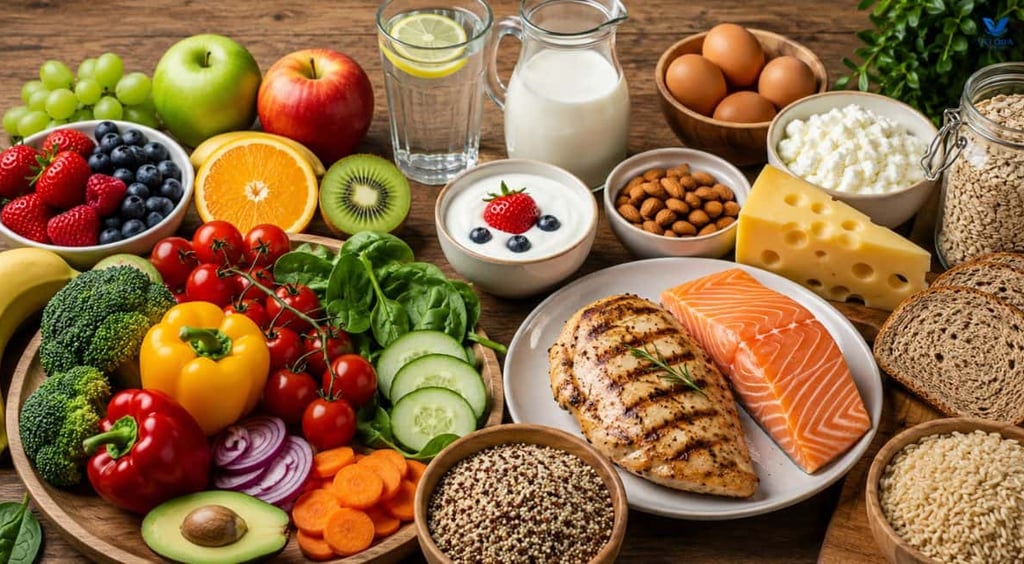
What Are Vitamins?
Vitamins are organic compounds required for normal growth, metabolism, and health. The body does not synthesize sufficient quantities of most vitamins, and these must therefore be obtained from food.
Fat-Soluble Vitamins
These vitamins can be stored in body fat and the liver.
• Vitamin A
• Vitamin D
• Vitamin E
• Vitamin K
Water-Soluble Vitamins
These vitamins do not store up in the body and must be eaten on a regular basis.
• Vitamin C
• Vitamin B1 (Thiamine)
• Vitamin B2 (Riboflavin)
• Vitamin B3 (Niacin)
• Vitamin B5
• Vitamin B6
• Vitamin B7 (Biotin)
• Vitamin B9 (Folate)
• Vitamin B12
What Are Minerals?
Minerals are inorganic nutrients that are essential to muscle function, nerve communication, bone structure, oxygen transport, hydration, and enzyme activity.
Major Minerals
• Calcium
• Magnesium
• Potassium
• Sodium
• Phosphorus
Trace Minerals
• Iron
• Zinc
• Copper
• Selenium
• Iodine
• Manganese
Why Fitness Enthusiasts Need Vitamins & Minerals
Exercise raises the body's need for nutrition. Good micronutrient intake aids:
• Improve muscle recovery
• Support muscle growth
• Increase energy production
• Reduce fatigue
• Maintain electrolyte balance
• Strengthen bones
• Improve immune function
• Support healthy metabolism
• Increase oxygen available to muscles
• Decrease oxidative stress caused by exercise (excess oxygen)


Essential Vitamins for Fitness
Vitamin D
Benefits:
• Supports muscle strength
• Maintains bone health
• Improves immune function
Best Foods:
• Salmon
• Sardines
• Egg whites fortified with foods
• Fortified milk
Vitamin C
Benefits:
• Supports collagen formation
• Helps muscle recovery
• Powerful antioxidant
Best Foods:
• Oranges
• Kiwi
• Strawberries
• Bell peppers
• Broccoli
Vitamin B Complex
Benefits:
• Energy metabolism
• The formation of red blood cells
• Brain function
Best Foods:
• Whole grains
• Chicken
• Fish
• Dairy products
• Beans
Vitamin A
Benefits:
• Healthy vision
• Immune support
• Cell growth
Best Foods:
• Sweet potatoes
• Carrots
• Spinach
• Pumpkin
Vitamin E
Benefits:
• Antioxidant protection
• Muscle recovery
• Skin health
Best Foods:
• Almonds
• Sunflower seeds
• Avocados
• Spinach
Food is made up of essential minerals.
Calcium
Supports:
• Strong bones
• Muscle contraction
• Nerve function
Sources:
• Milk
• Yogurt
• Cheese
• Fortified plant milk
Magnesium
Supports:
• Muscle relaxation
• Sleep quality
• Energy production
Sources:
• Pumpkin seeds
• Almonds
• Spinach
• Black beans
Potassium
Supports:
• Muscle contraction
• Hydration
• Blood pressure
Sources:
• Bananas
• Potatoes
• Coconut water
• Beans
Iron
Supports:
• Oxygen transport
• Endurance
• Energy levels
Sources:
• Lean beef
• Lentils
• Spinach
• Chickpeas
Zinc
Supports:
• Recovery
• Hormone production
• Immune function
Sources:
• Beef
• Pumpkin seeds
• Cashews
• Seafood
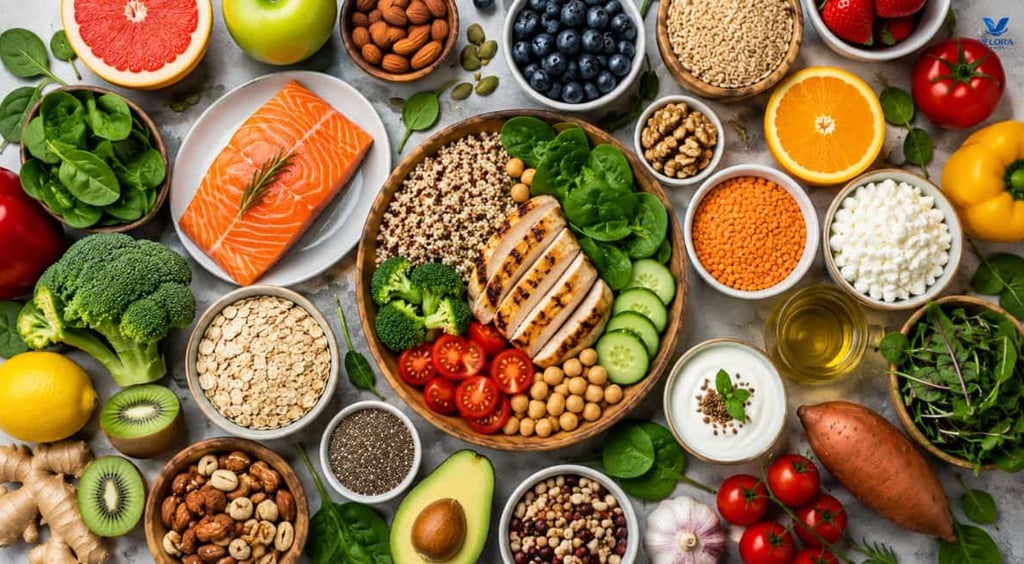
The best sources of Vitamin in the food are
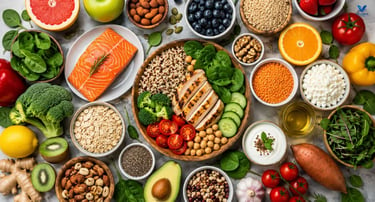
A deficiency of a vitamin or mineral
Watch for:
• Constant fatigue
• Poor workout recovery
• Frequent illness
• Muscle cramps
• Weak bones
• Hair loss
• Low energy
• Poor concentration
Should You Take Supplements?
Vitamins and minerals are best found in whole foods. If recommended by a qualified health care professional, or if the testing shows a deficiency, supplements may help. Too much can be a bad thing—excess vitamins and minerals may be toxic.
Everyday Nutrition Guidelines
• Consume all the rainbow of fruits and vegetables.
• Eat lean protein at each meal.
• Opt for whole grains instead of refined grains.
• Consume healthy fats such as fish, seeds, and nuts.
• Hydrate all day long.
• Limit ultra-processed foods.
• Plan and prepare meals that provide a wide variety of nutrients.
Frequently Asked Questions
Can vitamins enhance the performance of workouts?
They help maintain normal energy metabolism and recovery, as well as general health, particularly in cases of deficiency. They are not a substitute for proper training and nutrition.
Which vitamin is most important for muscles?
Vitamin D and some B vitamins are very important for muscle function and energy metabolism.
Can I get enough vitamins from food?
The needs of most healthy adults can be met through a balanced, varied diet.
Should multivitamins be taken?
Not for everyone. They may be helpful in certain instances but should not be used in lieu of nutritious food choices.
Conclusion
Vitamins and minerals are the building blocks for good health and athletic performance. Fitness enthusiasts can use a balanced diet with plenty of fruits and vegetables, whole grains, lean proteins, dairy or fortified alternatives, nuts, and seeds to help their bodies recover from workouts, generate energy, strengthen their bones, and improve their immune function. Make nutritious foods the center of your meals, remain consistent with healthy eating, and ask a healthcare provider if you think you are not getting enough of a nutrient.
References
Academy of Nutrition and Dietetics. (2024). Vitamins and minerals. https://www.eatright.org
Gropper, S. S., & Smith, J. L. (2021). Advanced nutrition and human metabolism (8th ed.). Cengage Learning.
Harvard T.H. Chan School of Public Health. (2024). The Nutrition Source: Vitamins and Minerals. https://www.hsph.harvard.edu/nutritionsource
Mahan, L. K., & Raymond, J. L. (2023). Krause's Food & the Nutrition Care Process (16th ed.). Elsevier.
National Institutes of Health, Office of Dietary Supplements. (2024). Dietary supplement fact sheets. https://ods.od.nih.gov/factsheets/
U.S. Department of Agriculture. (2024). FoodData Central. https://fdc.nal.usda.gov/
U.S. Department of Health and Human Services & U.S. Department of Agriculture. (2020). Dietary Guidelines for Americans, 2020–2025 (9th ed.). https://www.dietaryguidelines.gov/
Whitney, E., & Rolfes, S. R. (2022). Understanding nutrition (16th ed.). Cengage Learning.
World Health Organization. (2023). Healthy diet. https://www.who.int/news-room/fact-sheets/detail/healthy-diet
Velora Foods
Evidence-based nutrition and heritage recipes.
Explore
Get in Touch
Velorafoods0@gmail.com
+92 316 063 7537
Sadiqabad, Punjab, Pakistan
© 2026 Velora Foods—Evidence-based dietary tools and tested kitchen times.
METABOLIC PRECISION & HERITAGE FOODS