How to Find Healthy Food Near Me: A Complete Guide (2026)
Learn how to find healthy food near you with practical tips, nutrition advice, and expert recommendations. Discover the best healthy restaurants, meals, and food choices for every lifestyle.
HEALTHY EATING
M S ISHAQ
7/22/202612 min read
Thanks to modern technology, nutrition awareness, and the increased number of restaurants that have healthier options, finding healthy food near me has never been easier. Making healthy food choices can help boost energy and improve mood and health while traveling, working long hours, studying, or just wanting a balanced meal.
Many people think that in order to eat properly, one must attend to the expensive organic restaurants or follow some strict diet. In fact, there are numerous places where nutritious food can be found; you just have to know how to identify them. Every year, healthy foods are becoming more available from local cafes, grocery stores, farmers' markets, and meal delivery services.
The problem isn't getting food; it's finding food that is nutritionally balanced. Consuming heavily processed foods such as refined carbohydrates, high amounts of added sugar, and unhealthy fats can provide immediate relief to stomach distress but may result in a brief sense of being full and cause a rebound effect of stomach growling and overeating. In contrast, foods that are high in lean protein, whole grains, fruits, vegetables, and healthy fats help to slow the release of energy and make you feel full for longer.
Knowing what healthy choices to make can help you make better food decisions any time you eat. As long as you're out of the kitchen, small things like ordering grilled over fried foods or swapping out sugary beverages for water can have a long-term impact on your health.
Learn how to find healthy food, read nutrition labels, choose healthier restaurant meals, and make healthier, sustainable eating choices that fit your lifestyle.
Why it is important to choose healthy food
Healthy eating is about much more than counting calories. Each meal supplies your body with the nutrients it needs to maintain important functions like generating energy, repairing muscle tissue, maintaining your brain's health, aiding digestion, and supporting your immune system. Eating foods that are high in nutrients on a regular basis ensures that your body functions properly and decreases the likelihood of many chronic diseases.
Eating a healthy diet doesn't require a lot of complicated planning. Dieting that is too restrictive and hard to follow can generally yield poor long-term results, whereas small changes, done regularly, can often lead to much better long-term results. One of the best things you can do for your health is to cut down on processed foods and replace them with whole, less processed foods.
Healthy Food Gives Lasting Energy
A major benefit of a healthy diet is steady energy levels. Complex carbohydrates, lean proteins, healthy fats, and fiber are slow-digesting foods as opposed to the quick-digesting snack foods. This slow digestion helps to maintain the blood sugar level, avoiding the rapid rises and falls that can lead to fatigue.
For instance, oatmeal, berries, and Greek yogurt make a healthy breakfast that will last you for several hours, while a sugary pastry will leave you hungry and fatigued soon after eating.
Oats, brown rice, quinoa, and sweet potatoes are good sources of complex carbohydrates, which are the body's preferred source of energy. These foods can be combined with protein and healthy fats to form well-rounded meals that help to fuel the body and mind for optimal performance.
Supports Better Physical and Mental Performance
The food you eat has a direct impact on your brain and body. A well-balanced diet helps a person focus, remember, react, and work more efficiently; it helps muscles recover and helps the person be physically fit.
When it comes to improved performance, the following key nutrients are worth noting:
• Protein: Supplies material to repair muscles and makes you feel full.
• Iron: Carries oxygen in the body and decreases fatigue.
• Magnesium: Plays an important role in energy production and muscle function.
• Vitamin B12: Supports the utilization of food for energy.
• Omega-3 fatty acids: Promote healthy brain and heart.
These nutrients are essential for students, professionals and athletes, and balanced meals provide them.
Minimizes the probability of chronic diseases
Eating good foods now can make a big difference for people's health in the future. Eating a diet that is high in fruits and vegetables, legumes, whole grains, and healthy fats has been linked to a reduced risk of the following chronic diseases:
• Heart disease
• Type 2 diabetes
• High blood pressure
• Obesity
• Certain types of cancer
Fiber-rich foods are also good for digestion and good cholesterol/blood sugar control.
What makes a meal a healthy meal?
Not all meals that claim to be healthy are healthy. Health claims like "natural," "light," or "low fat" on a product don't always indicate that it's nutritious. Rather, concentrate on foods that contain a mix of the following:
Lean Protein
Eat foods like:
• Grilled chicken
• Turkey
• Fish
• Eggs
• Tofu
• Beans
• Lentils
Protein promotes fullness after meals and builds and repairs the tissues.
Whole Grains
Healthy whole grains include:
• Brown rice
• Oats
• Whole-wheat bread
• Quinoa
• Whole-grain pasta
These foods give a sustained release of energy because of their fiber and carbohydrates.
Fruits and Vegetables
Eat at least half your plate of colorful fruits and veggies. They contain vitamins, minerals, antioxidants, and dietary fiber, which help in good health.
Healthy Fats
Include healthy fat sources such as:
• Avocados
• Olive oil
• Almonds
• Walnuts
• Chia seeds
• Salmon
These fats are important for the proper functioning of the heart and brain and the absorption of fat-soluble vitamins.

Best Places To Find Healthy Food Near You
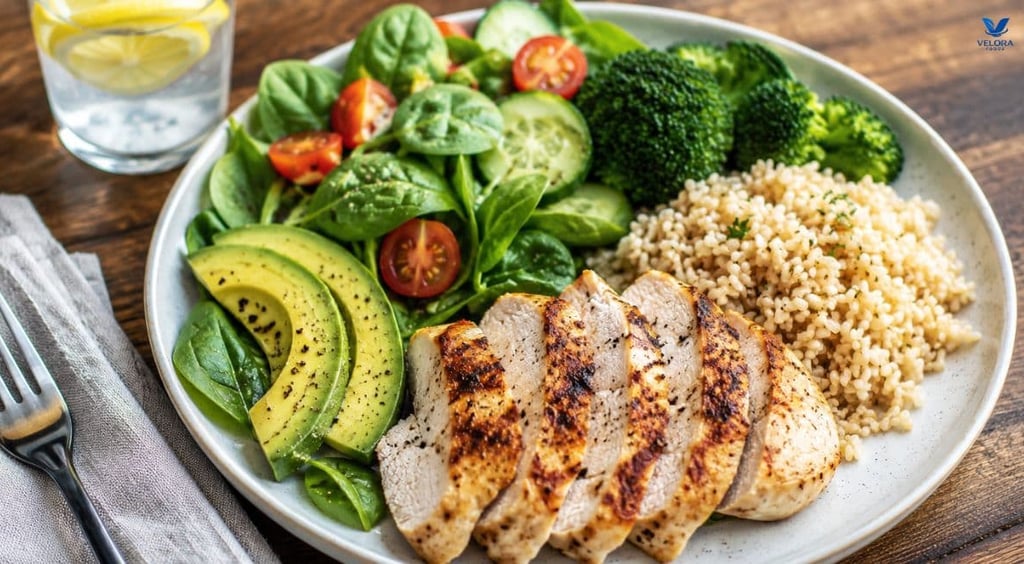
Eating healthy food around me is not hard to do. From home to travel to work, there are countless options for fresh, nutritious meals to be enjoyed. It is important to be aware of the restaurants that seek to serve healthy food and wholesome ingredients rather than unhealthy fried stuff.
Here are some of the best places to find healthy meals to suit various lifestyles and budgets.
Healthy Restaurants
Today, there is growing awareness among restaurants that their patrons want healthier menu items. They serve grilled proteins, whole grains, fresh vegetables, and less fried and processed foods.
If you are looking for health-conscious restaurants near me, you should be searching for restaurants that offer the following:
· Grill chicken or turkey
· Fish that has been baked or grilled.
· Fresh garden salads
· Quinoa bowls
· Brown rice dishes
· Whole-grain wraps
· Vegetable soups
· Stir-fry vegetables with lean protein
· Fresh fruit desserts
A healthy restaurant typically offers nutrition details or lists meals as high protein, vegetarian, vegan, gluten-free, or low-calorie.
Fresh prepared meals are available in grocery stores
Nowadays, grocery stores are not only the place to get ingredients, but they're also a great source of healthy, convenient meals. Numerous grocery stores now have dairies and fresh food areas.
The more popular healthy selections are
• Rotisserie chicken (skin off to eliminate saturated fat)
• Mixed green salads
• Fresh fruit cups
• Whole-grain sandwiches
• Vegetable soups
• Grilled salmon
• Brown rice bowls
• Steamed vegetables
• Plenty of vegetables
• Whole grains instead of refined grains
• Moderate sodium levels
• Minimal added sugars
• Healthy fats like olive oil, nuts or seeds
It only takes a few seconds to read a label and can make for much healthier choices.
Farmers' Markets
When it comes to the freshest ingredients on the planet, farmers' markets are a great place to go shopping. Seasonal fruits, vegetables, herbs, eggs, honey, and other products are often sold to local farmers within hours of being picked.
The advantages of buying at farmers' markets are:
• Fresher produce
• Seasonal variety
• Provide assistance to farmers in the area. Reduced transportation time
• Access to fresh produce and the chance to explore new items.
• Seasonal produce can be more flavorful and nutritious and also easier to prepare at home to make a delicious meal.
• A few farmers' markets have stalls offering fresh, healthy prepared foods like fresh salads, soups, smoothies, and whole-grain baked goods.
Healthy Cafés and Smoothie Bars
The emergence of healthy cafés has been popular as they fill the need for fast food that is nutritious. They are perfect for busy professionals, students, and travelers who are looking for convenient food options.
Healthy café menus will contain:
• Greek yogurt parfaits
• Overnight oats
• Fresh fruit bowls
• Real Fruit smoothies
• Avocado whole-grain toast
• Egg-based breakfasts
• Protein bowls
• Fresh salads
• Whole-wheat sandwiches
If you order one of these smoothies, opt for a whole fruit, veggie, yogurt, or milk smoothie instead of a smoothie with a high amount of added sugar, flavored syrups, or ice cream.
Enhancing with additional ingredients such as spinach, peanut butter, oats, or chia seeds can boost nutrition and make for a longer-lasting satiation.

Selecting Healthy Dinners at Dining Out
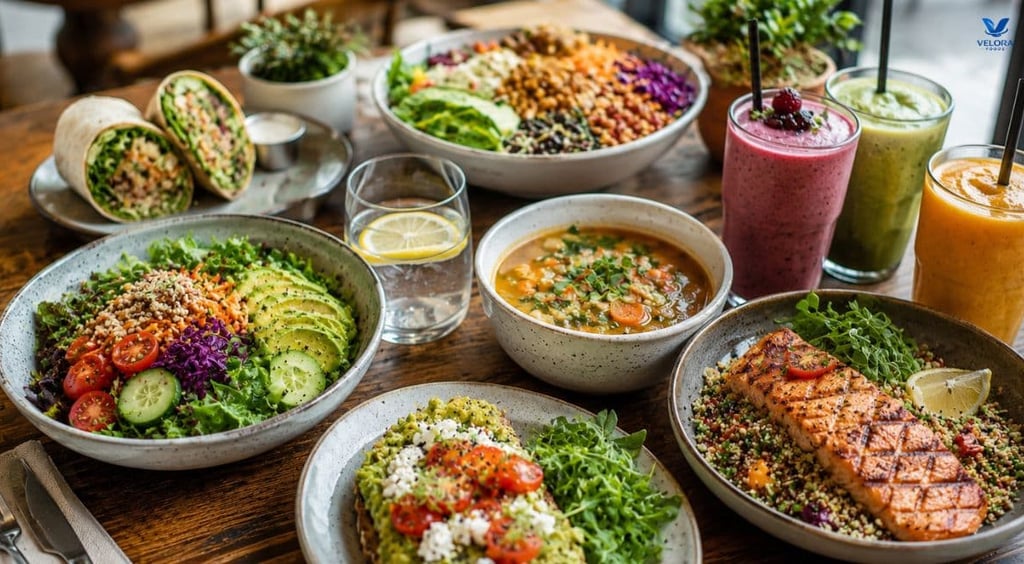
You don't need to sacrifice your healthy eating habits when dining out. In fact, there are a lot of restaurants offering healthy menu options today, which are suitable for various diets such as vegetarian, vegan, gluten-free, high-protein, and low-calorie. The trick is to know how to spot healthier options and steer clear of pitfalls on the menu.
You can still make informed choices to enjoy delicious food at a casual café, family restaurant, or fast-casual chain that is also good for your health and fitness.
Read the menu thoroughly prior to ordering
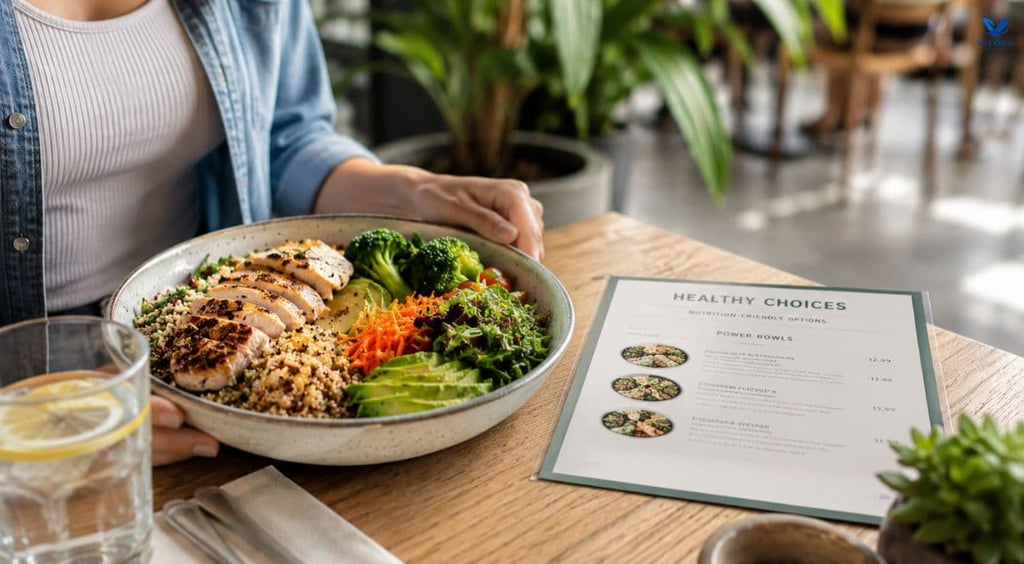
The simplest way to make healthier choices is to take some extra time and read the menu rather than taking the first item that comes to mind.
Healthy restaurant menus should contain symbols or labels like the following:
• Heart-Healthy
• Gluten-Free
• Vegetarian
• Vegan
• Whole Grain
• Fresh Ingredients
These labels can be very useful in easily recognizing meals that fit your nutritional needs.
Take note of the description of the meal as well. Grilled, baked, steamed, roasted, and fresh are some words that indicate better cooking methods than fried, crispy, breaded, smothered, or loaded, which frequently imply an increased amount of oil, butter, or cheese is added to the food.
If there is nutritional information, look at the calories, protein, fiber, sodium, and added sugar. Eating meals that include lean protein, vegetables, and whole grains tends to be more filling and healthier.
Use Healthier Cooking Methods
The nutritional content of food is greatly affected by how it is prepared. A grilled chicken breast has much less added fat than a deep-fried chicken breast, for instance.
If you can, select food items that are prepared in healthier ways, including
• Grilling
• Baking
• Steaming
• Roasting
• Broiling
Cooking in small amount of oil
The techniques retain flavor and minimize unnecessary calories and unhealthy fats.
The ways to limit cooking are:
• Deep frying
• Cook in large quantities in frying fat
• Heavy cream sauces
• Butter-rich dishes
• Cheese-covered meals
Healthy food preparation methods also can help maintain the vitamins and minerals in vegetables and lean proteins.
Create a Balanced Plate
A healthy restaurant meal should have a variety of nutrient-rich foods — not just foods from one food group.
A balanced plate should contain:
1/2 plate: Non-starchy vegetables like broccoli, spinach, carrots, peppers, cucumbers, or mixed greens.
• ¼ plate: Lean protein such as grilled chicken or fish, turkey, tofu, beans, or lentils.
¼ plate: Whole grains or complex carbohydrates, like brown rice, quinoa, sweet potatoes, or whole-wheat pasta.
This balance will give you consistent energy, aid digestion, and keep you satiated for longer.
Include moderate portions of healthy fats such as avocado, nuts, seeds, or olive oil to enhance the nutritional quality of your meal.
Pay Attention to Serving Sizes
The portions served at restaurants are usually larger than what is necessary for a human to eat! When you serve up food in giant portions, you can eat many hundreds more calories than you realize.
A few tips for controlling portion sizes include:
Serve an entrée with a friend or family member.
If available, request a half-sized meal.
Take away a container before starting to eat and keep half for later.
Try to begin with a salad or vegetable soup to help curb your appetite before you delve into the meat.
Take small bites and not until you are full—stop when you are comfortably satisfied.
One of the best ways to keep a healthy weight is to listen to your body's cues for hunger and fullness.
Be aware of drinks and extras
Drinks and side dishes can contribute to a high-calorie, high-sugar, and high-sodium meal.
Rather than sugary soft drinks or large, specialty drinks, select:
• Water
• Sparkling water
• Unsweetened iced tea
• Black coffee
• Herbal tea
Try the following healthier side items instead of fries or chips:
• Side salad
• Steamed vegetables
• Fresh fruit
• Brown rice
• Roasted sweet potatoes
These basic swaps can help ensure a nutritious meal without compromising taste.

Healthy Eating Habits that Save Time and Money
It's not necessary to always spend money being healthy, nor is it a daunting chore or time-consuming task. By making a few adjustments and planning ahead, you can make healthy eating affordable for your family. It's easy to see how making healthy eating habits can help you limit food waste, boost energy levels, and help achieve a better balanced diet, whether you are a busy professional, student, or parent.
Simple tips can help you make a difference. When you plan your meals and shop for foods carefully and pre-prepare them, you will avoid last-minute unhealthy choices and wasting money.
Plan Out Your Meals for the Week
One of the best tips for time- and money-saving, healthier eating is to plan ahead for your meals. For one week, make a weekly menu of what you will eat for breakfast, lunch, dinner, and healthy snacks.
Meal planning has the following benefits:
• Reduces food waste
Economizes on food expenses
• Helps avoid unnecessary and unplanned spending
• Helps to save time when shopping for groceries
• Boosts your immune system
This helps to decrease the urge to eat fast food.
Pick a recipe with similar ingredients for the rest of the week. For instance, to make the most of your grocery dollars, grilled chicken can be incorporated into salads, wraps, or rice bowls or added to sandwiches.
Shop Smart and Buy Seasonal Produce
Smart grocery shopping is another key to healthy eating. Plan your weekly meals, then make a shopping list and follow it.
Buy foods with nutrients like the following:
• Fresh fruits
• Seasonal vegetables
• Whole grains
• Lean proteins
• Low-fat dairy products
• Beans and legumes
• Nuts and seeds
Seasonal fruits and vegetables are often fresher, tastier, and cheaper to buy. Another option is frozen fruits and vegetables, which also retain a high level of nutrients and have a longer shelf life.
When possible, price check, buy items that are on sale for healthy foods, and don't buy when you are hungry.
Make meals ahead of time
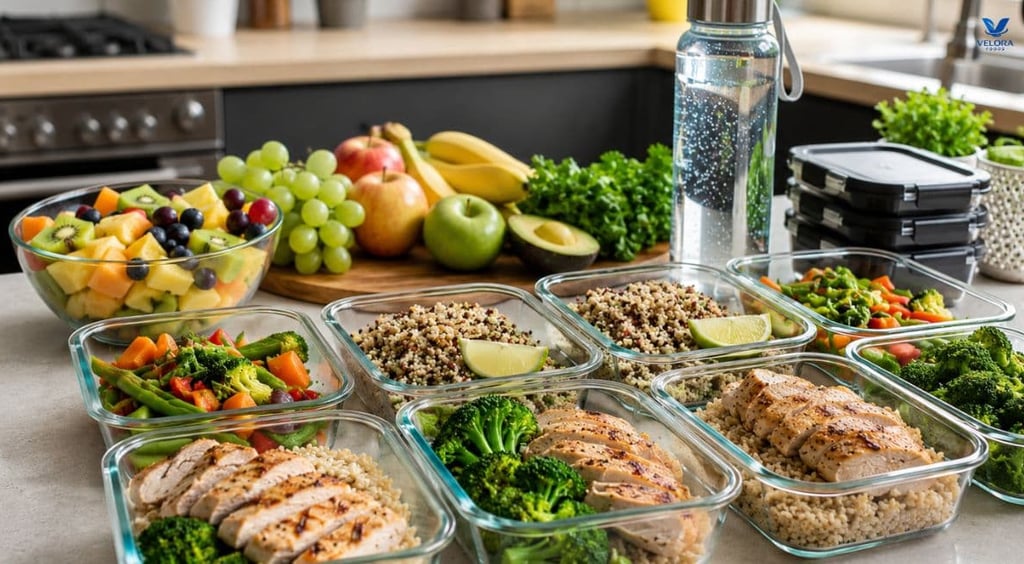
Also known as meal prep, preparing meals can help you stay on track even during a busy week. Preparing ingredients or meals on the weekend can be beneficial for using less time during the work week.
Easy meal ideas to prepare include:
• Preparing a big pot of brown rice or quinoa
• The Quick & Easy way to put your chicken on the BBQ.
• Simply dress vegetables and chop them. Just wash and chop the vegetables.
• Making sandwiches for lunch
• Packing nutritious foods into reusable containers.
• Convenience foods are more expensive, so why not make your own soup or stew?
• Preparing healthy food by hand will help limit the temptation to eat ready-to-feed junk food.
Make Healthy Snacks
Healthy snacks will keep energy levels stable throughout the day and will help to avoid overeating later in the day.
Choose snacks that contain:
• Fresh fruit (apples or bananas)
• Greek yogurt
• Mixed nuts (unsalted)
• Carrot and cucumber with hummus dip
• Whole-grain crackers
• Dessert: Cottage cheese topped with fruit
• Homemade trail mix
• Air-popped popcorn
Make an effort to select snacks that include protein, fiber, and healthy fats, as they will help keep you satisfied longer than sugary snacks.
Keep sufficient water with you throughout the day!
Many tend to confuse thirst and hunger, which results in excess snacking. Staying hydrated aids in digestion, brain function, energy production, and temperature control.
There are simple tips to help you stay hydrated, such as:
• Bring your own water bottle.
• Before eating, have a glass of water.
• Replace sugary soft drinks with water.
• Serve with lemon, cucumber, or mint slices for a natural flavor.
• Consume foods that are high in water, like watermelon, cucumbers, oranges, and strawberries.
• Proper hydration can help to maintain focus, minimize fatigue, and promote general well-being.
Conclusion
Eating healthy foods doesn't have to be hard to come by. It is possible to eat healthily at any restaurant, in a grocery store, or at home with the right knowledge and a little planning. The healthiest meals are typically made with fresh, less processed foods and a healthy combination of lean protein, whole grains, vegetables, fruits, and healthy fats.
Long-term benefits can result from small changes. Simple steps like eating grilled foods instead of fried foods, drinking water rather than sugary drinks, making a meal plan, and reading nutrition labels can help enhance your energy levels, help you maintain a healthy weight, and lower your risk of chronic disease.
Keep in mind that eating healthy isn't a matter of perfection; it's about making choices that are good for you more often. When choosing foods for breakfast, lunch, dinner, and snacks, it is important to ensure that you are eating foods high in nutrients that can be incorporated into your lifestyle.
When you do your next “healthy food near me” search, take the advice in this guide to find some edible and healthy meals.
Frequently Asked Questions (FAQs)
1. Where can I get healthy food in my area that is available for fast pick-up?
Use Google Maps or apps for restaurants to find healthy food near me. Seek out restaurants that have high ratings, fresh food, and menu items like grilled proteins, salads, whole grains, and dishes that include vegetables.
2. Which is the healthiest fast food?
There are a number of fast-food restaurants that are now providing healthier options such as grilled chicken salads, vegetable salads, whole-grain wraps, and fruit cups. Switching to water for soda and opting for water with no side of fried foods can make your meal even healthier.
3. What makes a restaurant's menu healthy?
Select meals with:
• Lean protein
• Plenty of vegetables
• Whole grains
• Healthy fats
Low levels of additional sugars and salt
Steer clear of meals labeled fried, crispy, breaded, or in thick cream sauce.
4. What is more expensive, healthy food or junk food?
Not always. Eating seasonal produce, cooking at home, buying bulk whole grains and beans, and planning meals can help make healthy eating affordable.
5. What are some healthy foods to eat when eating out?
These are some great options:
• Grilled chicken and veggies
• BBQ salmon and brown rice
• Quinoa bowls
• The food combinations of fresh salads and lean protein
• Vegetable soups
• Whole-grain wraps
• Smoothie bowls (plain, not sweetened with sugar)
References
World Health Organization (WHO). Healthy Diet.
Harvard T.H. Chan School of Public Health. The Nutrition Source.
U.S. Department of Agriculture (USDA). MyPlate.
Academy of Nutrition and Dietetics. Healthy Eating Tips.
Centers for Disease Control and Prevention (CDC). Healthy Weight, Nutrition, and Physical Activity.
Velora Foods
Evidence-based nutrition and heritage recipes.
Explore
Get in Touch
Velorafoods0@gmail.com
+92 316 063 7537
Sadiqabad, Punjab, Pakistan
© 2026 Velora Foods—Evidence-based dietary tools and tested kitchen times.
METABOLIC PRECISION & HERITAGE FOODS